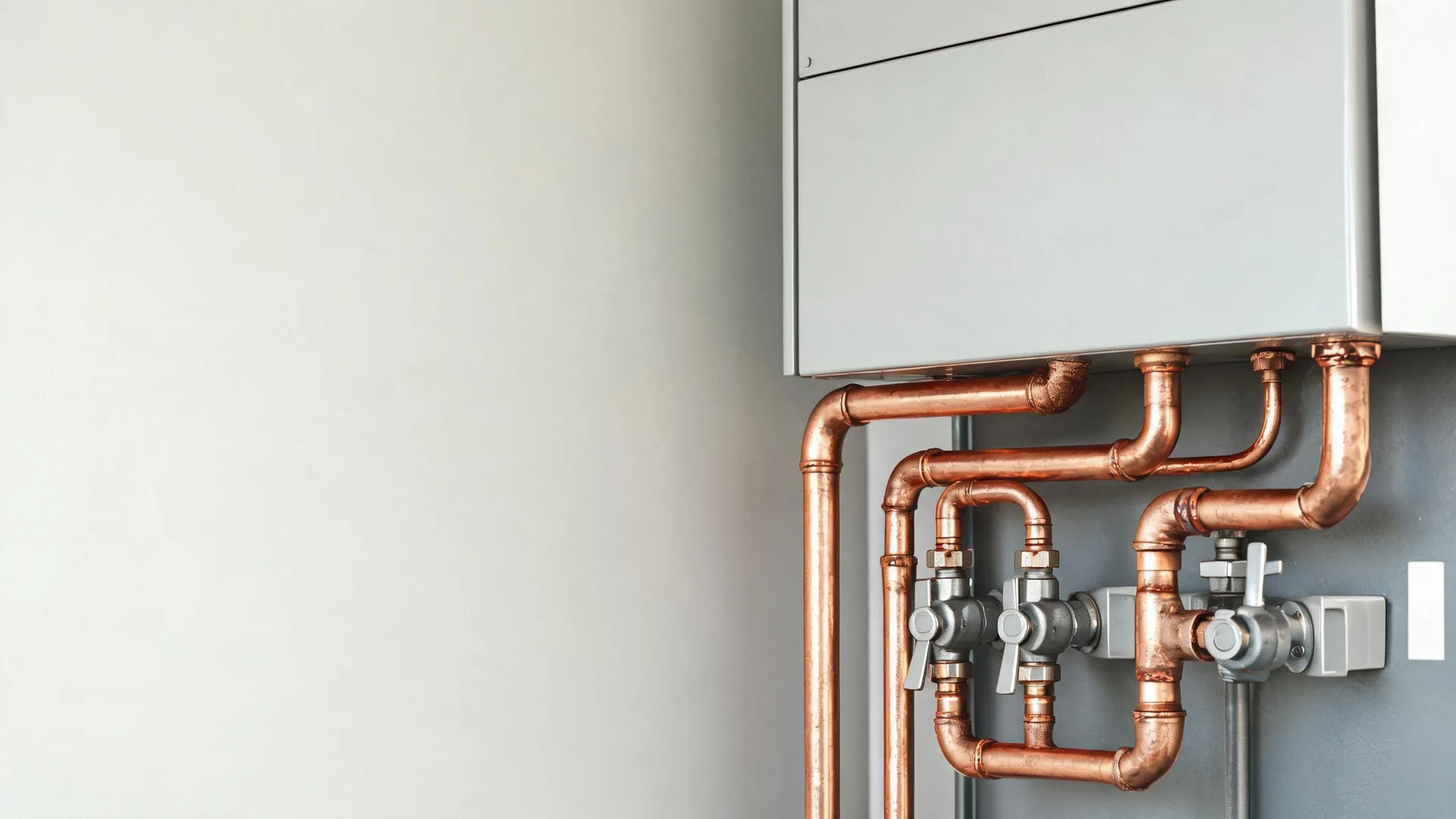
A standard boiler is the right call
Nothing about Claremont's weather calls for oversizing a boiler or stepping up to a premium efficiency tier. A correctly sized, standard-efficiency boiler will heat this house fine through the winter.
Takes about a minute. No obligation.
Nothing about Claremont's weather calls for oversizing a boiler or stepping up to a premium efficiency tier. A correctly sized, standard-efficiency boiler will heat this house fine through the winter.
Winter storms hit Sullivan County 37 times between 2015 and 2024, and almost a quarter of New Hampshire households lost power for a day or more in 2024. A boiler needs electricity to run its controls and pump, so it's worth asking about a battery backup or a plan for what happens when the power drops in the middle of a storm.
Fuel oil heats about half the homes in Sullivan County, more than any other fuel here.
If your boiler already runs on oil, replacing it with another oil boiler is usually the straightforward path.




Heat goes on in September here and runs through May, nine months out of the year. August is the one month right before that start, and it's the month to get a boiler swapped if yours is old or struggling. Wait too long and you're choosing a replacement in a hurry, maybe with the house cold while it gets sorted out. Do it in August and the install happens on a day that works for you, with time to size the boiler right and test it before it has to run.
Sullivan County falls under zone 6A, and any gas-fired hot water boiler installed here has to hit at least 84 percent AFUE. That floor is already built into what's on the market, so meeting it isn't a special order. A federal tax credit is available on top of that for qualifying high-efficiency equipment, worth asking about while you're comparing units.
Find a contractorThe unit is a fixed cost once you've picked the size and efficiency tier. What moves the total is everything around it. Venting, piping, and whether the new boiler can use what's already there or needs new runs to the chimney or through a wall.
A boiler sized to the house needs a heat loss calculation, not a guess based on the old unit's rating. That's time on a contractor's part, not a part on the truck. Skipping it is how homes end up with a boiler that short cycles or can't keep up.
The old boiler has to come out before the new one goes in, and that's labor, not an afterthought. A cast iron boiler is heavy and doesn't come apart easy. It gets drained, disconnected from the gas or oil line, cut free from the venting, and hauled out in pieces or whole depending on how it was built and how it fits through the doorway. If it's oil fired, there may be a tank to deal with too, and that's a separate question from the boiler itself. None of this is a reason to put off the swap. It's just part of the job, and a contractor doing the install should walk you through how the old unit gets disconnected and removed before the new one ever comes in.
The work starts with the water drained and the old boiler disconnected, so expect the heat to be off for the stretch of the day the swap takes. A contractor runs new piping or adapts what's there, sets the new boiler, and connects the gas or oil line and the venting. Once it's hooked up, it gets fired and checked. That means watching the pressure, bleeding air from the lines, and making sure the thermostat is calling for heat and getting it. A combustion analyzer gets used on a gas or oil unit to check the burn itself, not just whether the boiler turns on. The system usually needs a few cycles before it settles into a steady pattern, so a contractor worth hiring doesn't leave right after startup. They wait, watch it run, and walk you through the controls before they go.