
Furnace Repair in New Hampshire
Homes in New Hampshire need heat for more months of the year than in 35 of the other 49 states.
Tell us about the job
Takes about a minute. No obligation.
- 15°Fwinter overnight low where people live
- 9 monthsof heat, September through May
- $18.09 per million Btuwhat homes paid for natural gas in 2024 (Btu means British thermal units, a measure of heat)
- 602winter storms from 2015 to 2024
Storms knock out power across New Hampshire 22% of homes lost power a day or more
- Northern counties need about 11% more heat than southern ones
- Winter nights average 15°F where people live
- Heat runs September through May
- 602 winter storms from 2015 to 2024
- Climate zones 5A and 6A across the state
- 22% of homes lost power a day or more in 2024


An older state, but not an unusual one
Half the homes in New Hampshire were built in 1979 or earlier, and half in 1979 or later. Most of the state is detached single-family houses. That's not an unusual mix for the country, and it doesn't point to anything unusual going wrong with a furnace. An older home can still have an igniter that fails, a flame sensor that reads dirty, a blower motor on its way out. Those are the same problems a contractor sees everywhere. What matters more in New Hampshire is what happens once the power comes back on after a storm. The furnace should start up by itself. If it doesn't, that's worth having a contractor look at before the next cold stretch sets in.
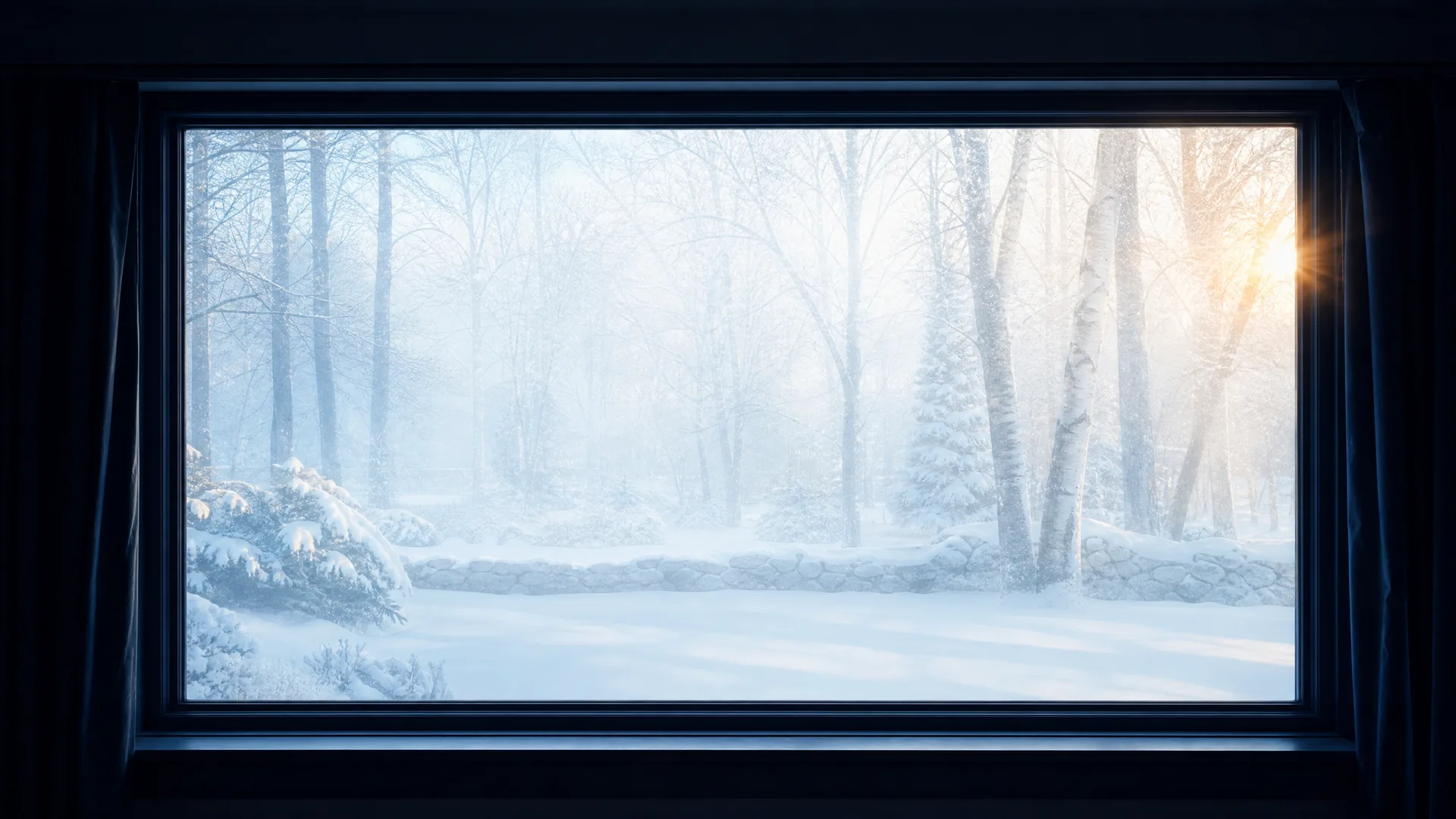
Fuel oil heat here cost $24.23 per million Btu in 2024. That number matters if your furnace runs on oil, because a unit that's short cycling, losing efficiency, or working harder than it should is burning fuel at that price the whole time it's broken.
A furnace that misfires or won't hold a cycle doesn't fix itself, and it doesn't get cheaper to run while you wait. The longer a bad igniter or a weak blower motor goes unaddressed, the more oil it takes to heat the same rooms. Get it looked at before the next cold stretch.
Nine months of heat, starting in September
Furnaces here start running in September and keep going through May, nine months in all. That's more heating months than 35 other states get. August is the time to have one looked at, before the season's first cold mornings put real load on it. A weak igniter or a blower motor that's been sitting idle all summer tends to fail in those first weeks of September, not later in the season. Catching it in August means a contractor can fix it on a schedule instead of after it's already quit on a cold morning.


2 months of cooling, July through August
9 months of heat, September through May
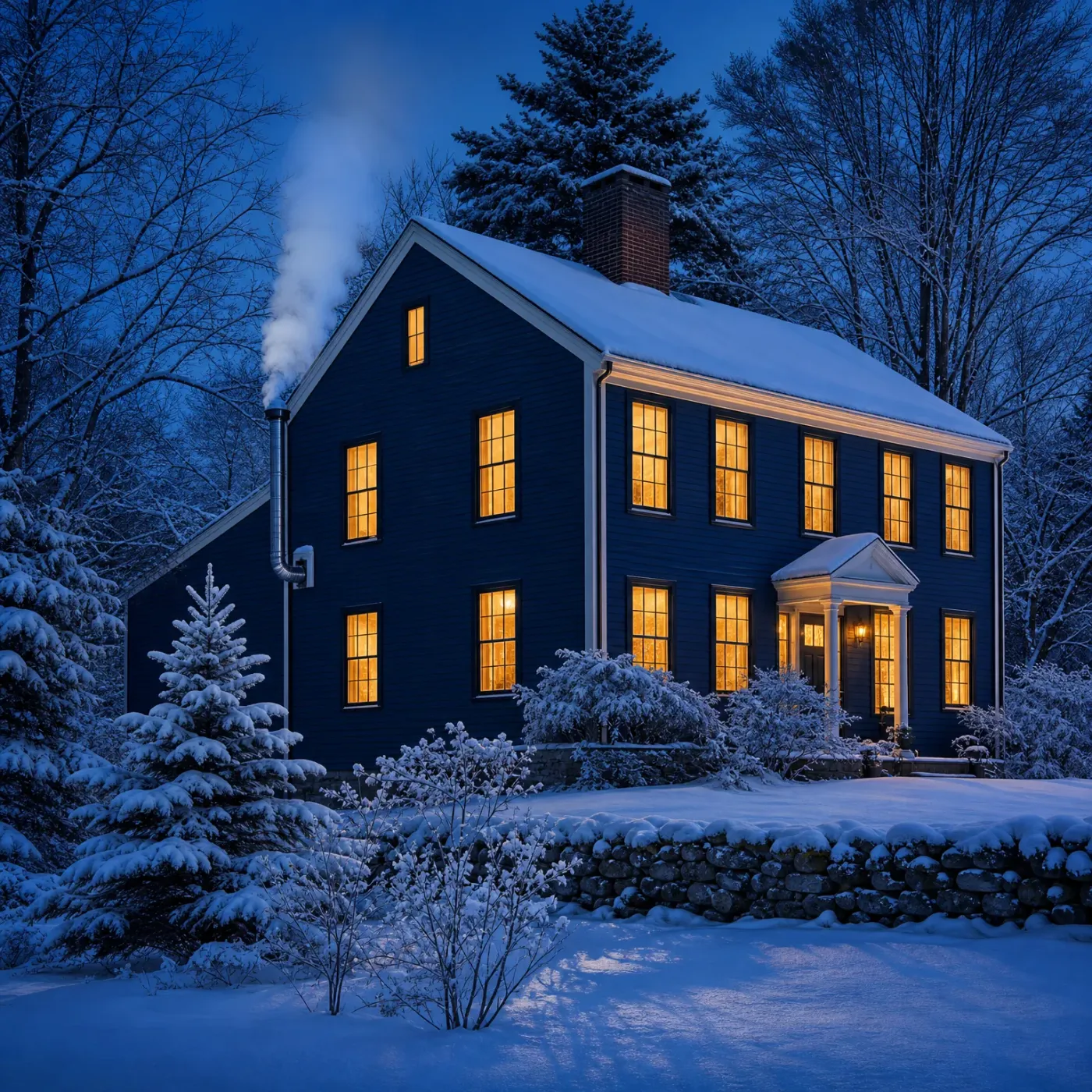
New Hampshire's heating need isn't the same everywhere. Homes in the northern counties need about 11% more heat over a year than homes in the south, and Coos County needs about 37% more than Rockingham County, where the need is lowest in the state. A furnace in Coos County is carrying a heavier load every winter than one in Rockingham County, even if the two units are identical.
Winter nights tell the same story. In Coos County, the overnight low across December, January and February averages 8°F. In Rockingham County it's 18°F. A furnace running against single-digit nights for months is cycling more, running longer, and putting more hours on its igniter and blower motor than a furnace in the milder southern counties.
Coos County homes need heat about 10 months a year, the longest stretch in the state. Hillsborough County homes need about 8. Two extra months of runtime means two extra months of wear on the same parts, which is worth knowing if you're trying to figure out why a furnace in the north is acting up sooner than you'd expect.
None of this says a furnace in the north is built differently or needs something exotic. It means the same igniter, flame sensor or blower motor is working harder and longer there, so when something quits, a contractor's first question is usually where in the state the home is and how many months the furnace has already been running that year.
What does a furnace in New Hampshire face?
How cold do winter nights get?
15°Faverage overnight low where people live
North Dakota4°F
Hawaii65°F
How many months does the heat run?
9 monthsof heating a year
Hawaii0 months
Alaska12 months
What does natural gas cost?
$18.09per million Btu, what homes paid in 2024
Montana$7.77
Hawaii$53.25
How often do storms hit?
197severe weather events per county from 2015 to 2024
Alaska5
Wyoming1,057
How many homes lost power for a day or more?
22%of homes in 2024
Arizona7%
Maine54%
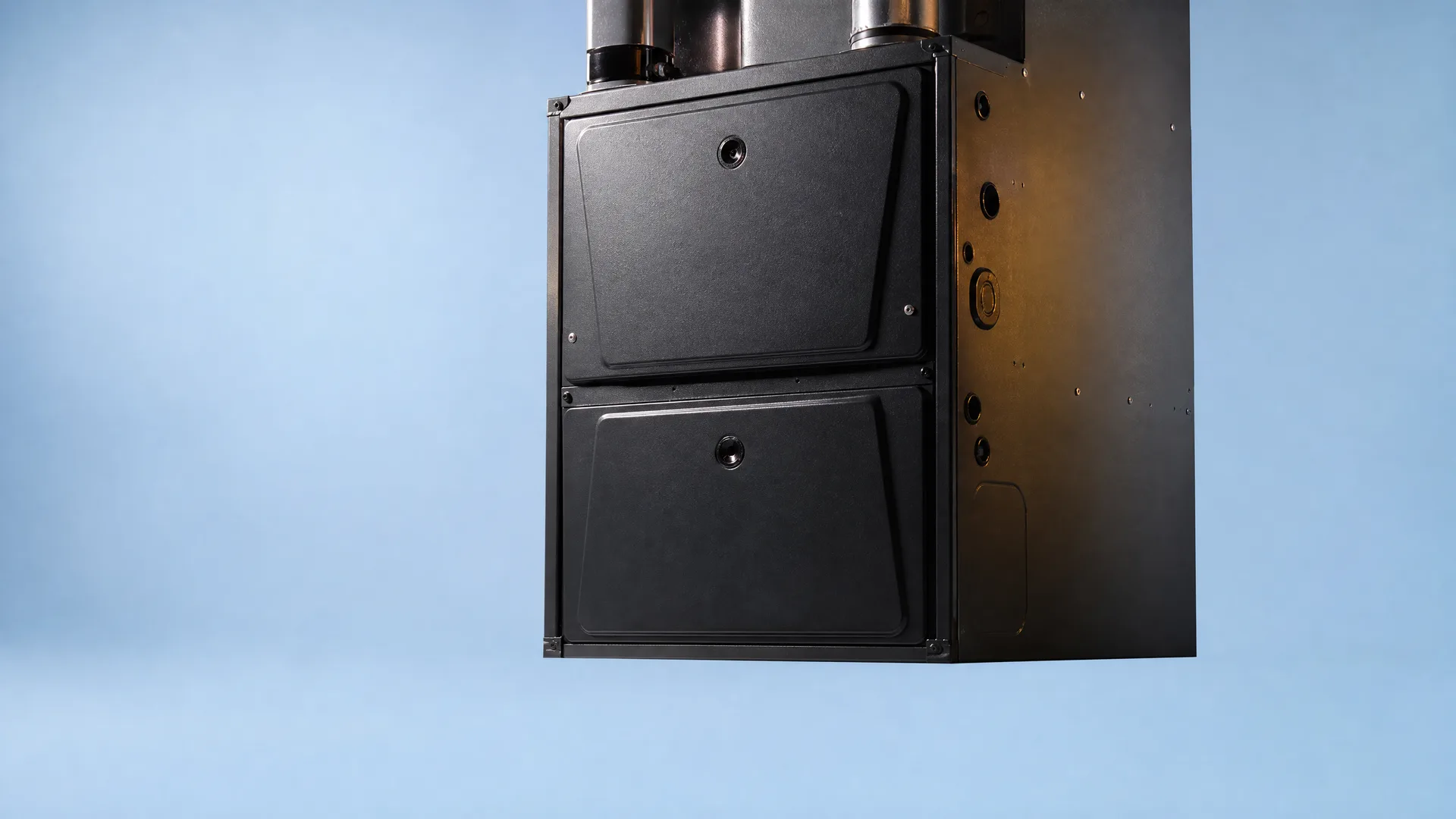
A furnace working harder than most
This furnace runs nine months a year against nights that average 15°F. That's longer and colder than what most furnaces in the country ever see. The igniter, the blower motor, the flame sensor, all of it cycles more here than it would in a milder state, and more cycles is what wears a part down. A furnace that's starting to struggle in New Hampshire usually isn't failing for a strange reason. It's failing because it's been asked to do more than most furnaces do, for longer than most furnaces have to. That's the first thing worth knowing before anyone opens it up.
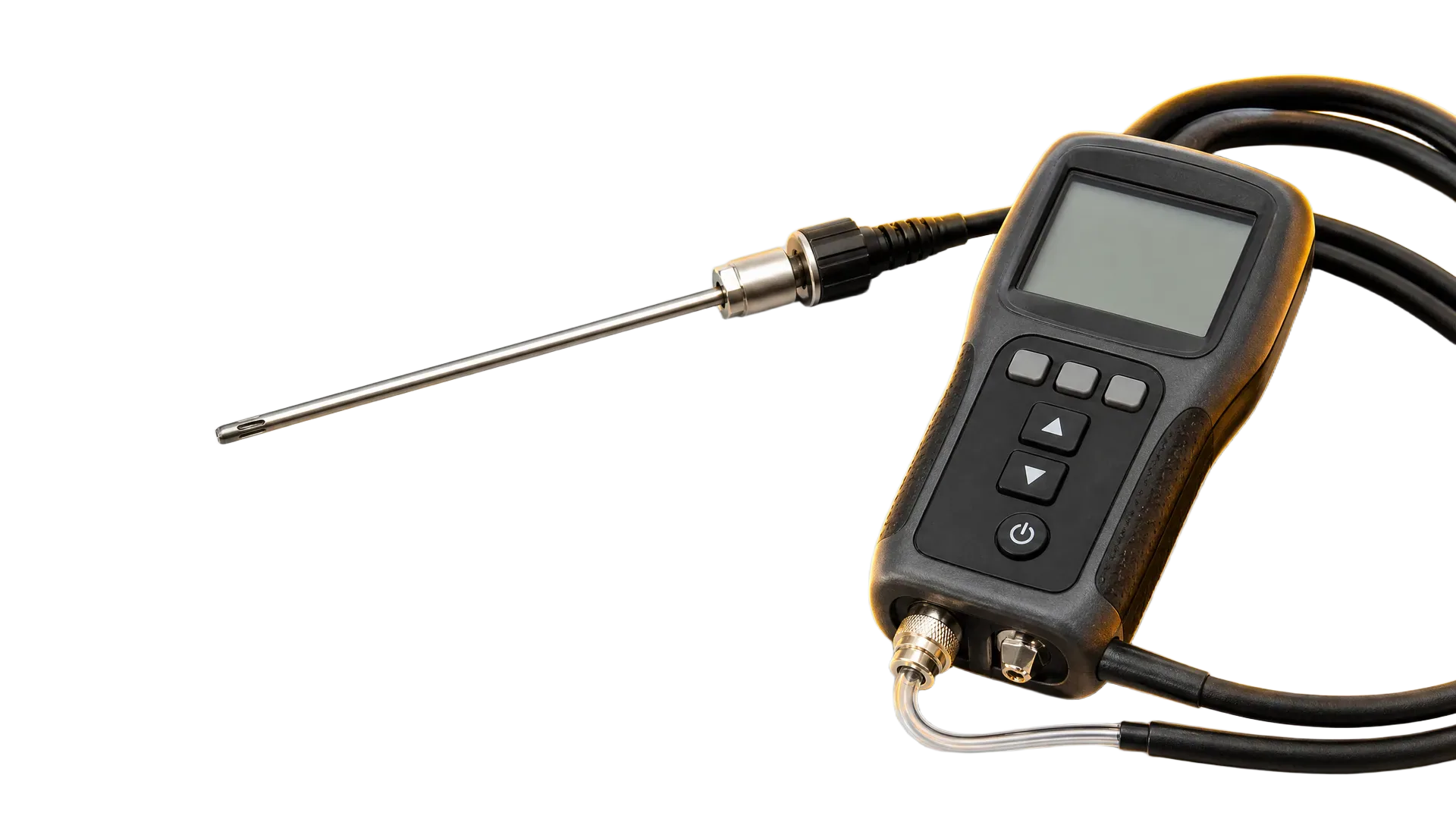
What a contractor actually checks
A diagnostic visit starts at the thermostat, not the furnace itself. A contractor checks the call for heat, checks the batteries if it takes them, and makes sure the signal is actually reaching the furnace before touching anything downstream. From there it's a sequence. Does the inducer motor start. Does the igniter glow or spark. Does the gas valve open. Does a flame form and hold. Each step either clears that part or points to it. A furnace that runs but never lights points one direction. A furnace that lights and drops out a few seconds later points another, usually toward a flame sensor that isn't reading the flame or a pressure switch that isn't satisfied. Most control boards keep a short fault history, and a contractor will pull that before a panel ever comes off. It narrows things down fast. Airflow gets checked too, since a clogged filter or a blocked vent can cause symptoms that look electrical but aren't. None of this is guesswork. Each test has a pass or fail answer, and the answers lead somewhere specific.
Storms get rough here
Storms hit this state more than most. New Hampshire logged 1,780 severe weather events between 2015 and 2024, and winter storms made up most of them. Hillsborough County carries the heaviest record in the state. None of that tells you what a storm did to any one house, but a furnace's outdoor intake or vent can take debris in a bad storm and keep running for weeks before it shows up as a real failure. If a storm came through and nobody's looked at it since, that's worth asking a contractor to check, even if the furnace is heating the house fine right now.
Nine months of heat a year wears a furnace down, and a hidden storm problem makes it worse.
Tell us about the job
Takes about a minute. No obligation.
Fill out the form and a licensed New Hampshire contractor will reach out to find out what it needs.