



A white picket fence runs along a grass lawn in front of a row of similar gabled houses with siding, beneath overhanging leafy tree branches.

Furnace Repair in Laconia, NH

Tell us about the job

Takes about a minute. No obligation.

RepairFurnace or heatingBelknap County, NH
Step 1 of 2

What ZIP code is the job in?

Furnaces in Laconia run from September through May most years. That's nine months of the furnace cycling on and off, night after night, to keep up with winter here. Overnight lows average 14°F through December, January and February, so the furnace isn't just running often, it's running against real cold. Add in the ice and snow storms that hit Belknap County, and a furnace here is working under conditions that wear parts down faster than they would somewhere milder. When something starts acting up, it's worth having a contractor look at what's actually worn or failing rather than guessing.

9 months
September through May, your furnace is on duty
14°F
the average winter night it heats against
44 winter storms
in ten years, the nights a failure hurts most
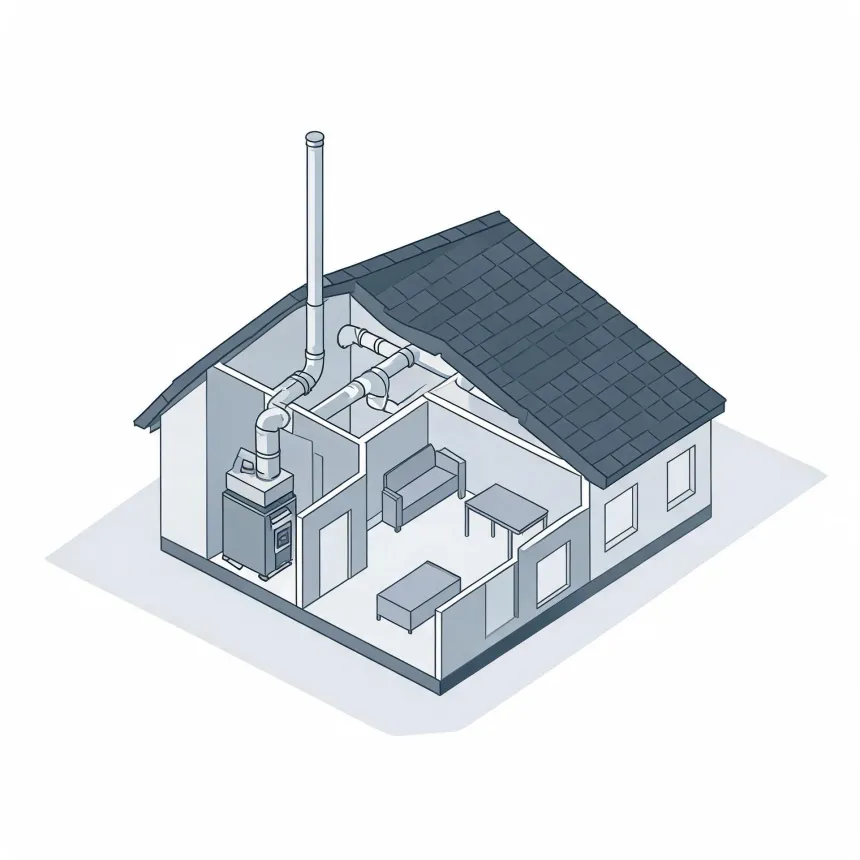
Isometric line illustration of a cutaway single-story house with a shingled roof, showing an interior furnace connected to ductwork and a tall vertical flue pipe, plus simple furniture in the adjacent room.
Your furnace works hardest from November through March.

NOAA nClimDiv, 1991–2020 normals

Furnaces in Belknap County start running in September.

August is the month to get a weak part checked, before the first cold night finds it.

A furnace that runs on oil here is an expensive one to let run badly

Heat runs September through May
Winter nights average 14°F
44 winter storms from 2015 to 2024
Laconia's winters test a furnace long before they break itBelknap County saw 44 winter storms between 2015 and 2024

Half the homes in Belknap County were built in 1979 or later, so if your house is one of them, the furnace inside it is probably newer too. A furnace that age has most of its working life still ahead. Worn igniters, failing inducer motors, cracked flame sensors, these show up on any furnace eventually, but they're normal wear on a machine that's otherwise sound, not signs it's done. Replacing the part usually makes more sense than replacing the furnace.

Get what's wearing on your furnace diagnosed now

A furnace that cycles nine months a year, against 14°F nights and whatever the next storm brings, wears parts faster than one that gets a break. If yours is acting up now, get the worn part found and fixed before it gives out on the coldest night of the year.

Find a contractor
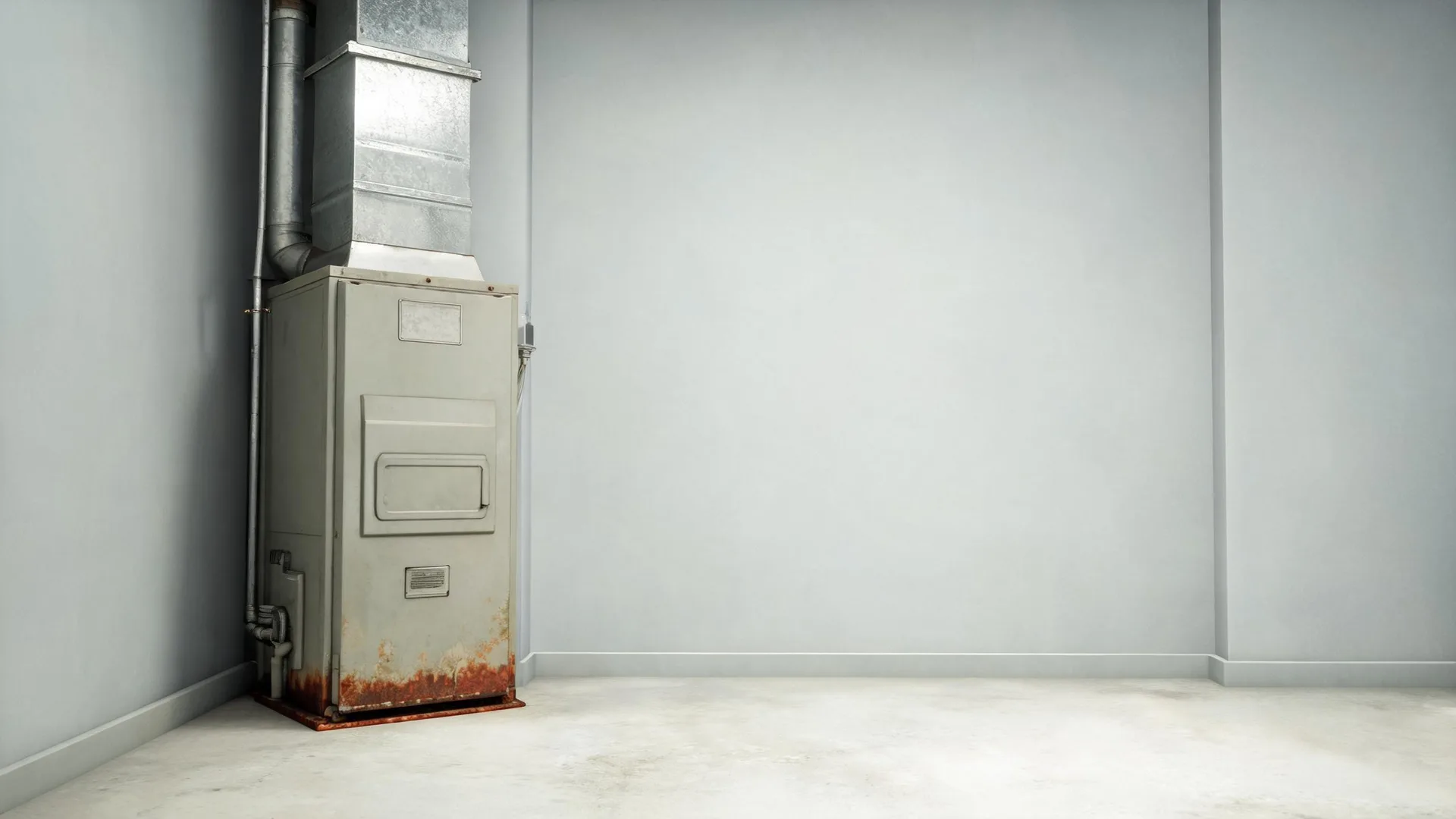
A gray gas furnace with attached ductwork and piping installed in an unfinished concrete basement.

A newer furnace is worth fixing, not replacing

A furnace built with a newer house has years of running ahead of it, which is exactly when repair pays off. Fix the igniter or the inducer motor now and the rest of the furnace keeps going into next winter and the one after that. The time-lapse above is what that looks like day to day, on through the night, for as long as the furnace has left to give.

A small problem rarely stays small

A cracked flame sensor or a weak igniter still lets the furnace run, so it keeps cycling instead of shutting down clean. Each extra cycle on a strained part pushes it closer to failing outright, usually on a night the furnace is working hardest.
One worn part puts a load on the rest

A furnace draws what it needs from one system to run. A struggling inducer motor or a dirty flame sensor makes the whole unit work harder to do the same job, and that extra strain lands on parts that were fine before.

Before calling anyone, check the thermostat is set to heat and the setting is above room temperature, and swap the batteries if it uses them. Go look at the furnace itself. If the switch on or near it is off, or a breaker tripped, that alone can explain no heat at all. Pull the filter and hold it up to a light. If you can't see light through it, air isn't moving where it needs to, and that alone can cause shutdowns that look like bigger problems. Check that supply vents around the house are open and not blocked by furniture or rugs. If the furnace is cycling on and off faster than it used to, or you hear it trying to start and failing, that's worth describing to whoever comes out, since it points to a specific part rather than the whole unit.

A diagnostic visit starts with the thermostat and the vents, the same things worth checking before anyone's called out, then moves into the furnace itself. The tech pulls the panel and watches it run through a full cycle, since a lot of furnace problems only show themselves at the moment of ignition or shutdown, not while it's sitting idle. They'll check for a spark or glow at the igniter, watch whether the flame sensor is reading the flame correctly, and listen to the inducer motor for the draw that has to happen before gas is allowed to flow at all. Pressure switches, limit switches and the flame pattern itself all get checked, because a furnace that fails partway through its cycle is usually telling you which part gave out. Once the failing part is found, the tech can tell you what's worn, what it's doing to the rest of the furnace, and what it takes to fix it.