



What winter here does to a heat pump
Your winter low here averages 14°F, and the heat runs nine months, September through May. That number decides most of this. A standard heat pump's output falls short of its rating once it drops below 40°F outside, and it often needs backup heat below about 35°F. At an average of 14°F, your house is under both marks most nights, not just on the cold snaps.
Of the roughly 275 nights the heat runs here, about 160 drop to freezing or below, over half the season. Every one of those nights is already below both the 40°F and 35°F marks. Only about 13 nights a year reach 0°F. So the cold that matters for this decision is not the rare deep freeze, it is the ordinary freezing night, and there are a lot of them.
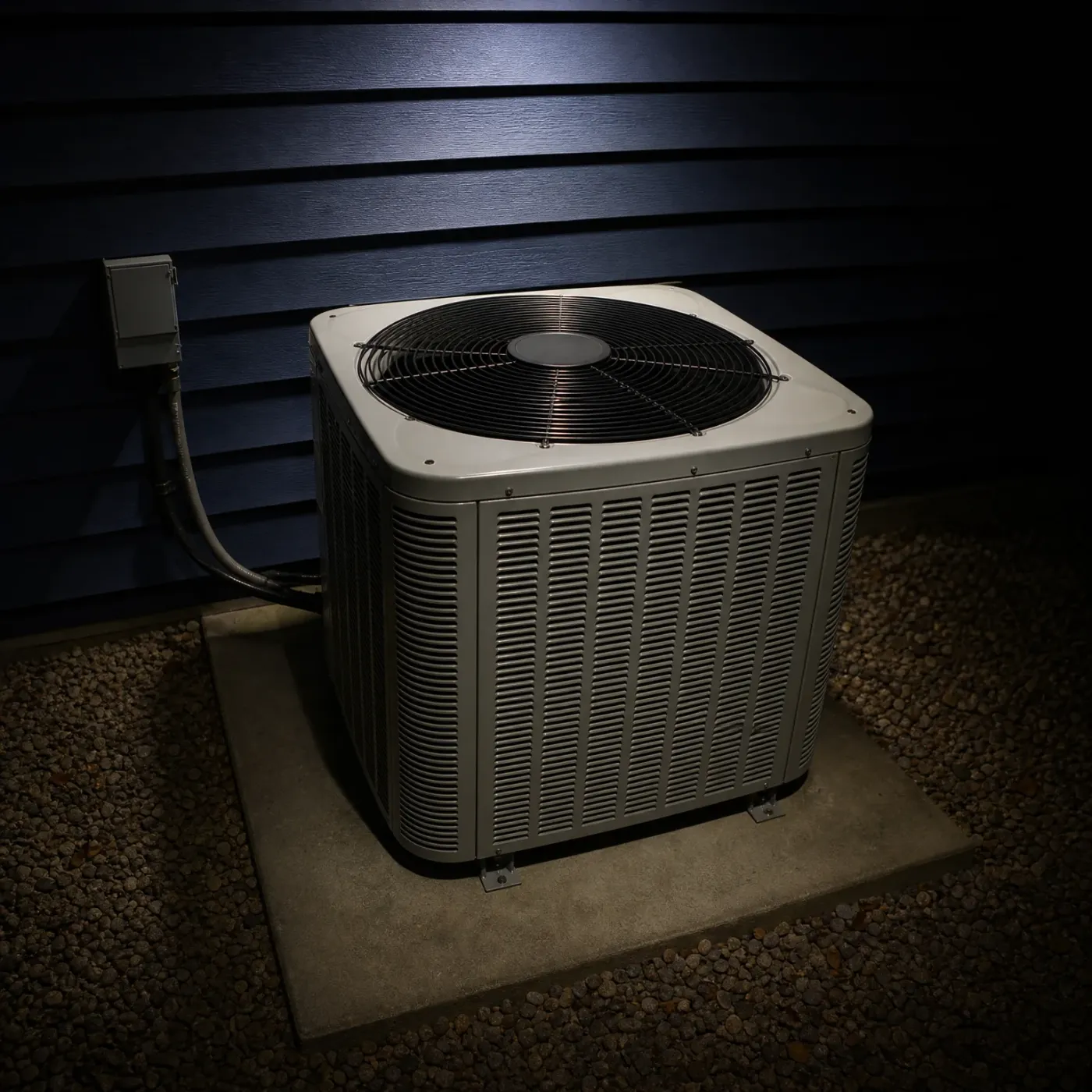
None of that rules a heat pump out. To carry the ENERGY STAR Cold Climate label, a heat pump has to hold onto 70 percent of its 47°F capacity at 5°F and still produce 1.75 units of heat per unit of electricity at that temperature, checked by outside testing. A two-winter field test of prototype cold climate units found backup heat covered only a small share of what the home needed between 0°F and 35°F, and the unit running on backup alone was rare even below 0°F. That is a different machine than the federal minimum unit priced in the running cost band above. For this county, the cold climate rating is what you are actually buying, not the standard spec.