




A single-story white house with dark trim and a shingled roof stands among leafy trees, photographed from low in a green lawn with blurred grass blades in the foreground.

Furnace Installation in Laconia, NH

Tell us about the job

Takes about a minute. No obligation.

New system or replacementFurnace or heatingBelknap County, NH
Step 1 of 2

What ZIP code is the job in?

Fuel oil ran $24.23 per million Btu across New Hampshire homes in 2024. If your furnace runs on oil, that price is why the installed efficiency matters more than the sticker price. A furnace that wastes less fuel on every cycle costs less to run for as long as you own it. Ask a contractor what efficiency rating they are quoting and what that means for an oil-fired furnace specifically. A few points of efficiency make a real difference when the fuel itself costs this much.

9 months
September through May, your furnace is on duty
14°F
the average winter night it heats against
80% AFUE
the federal minimum any new unit must meet
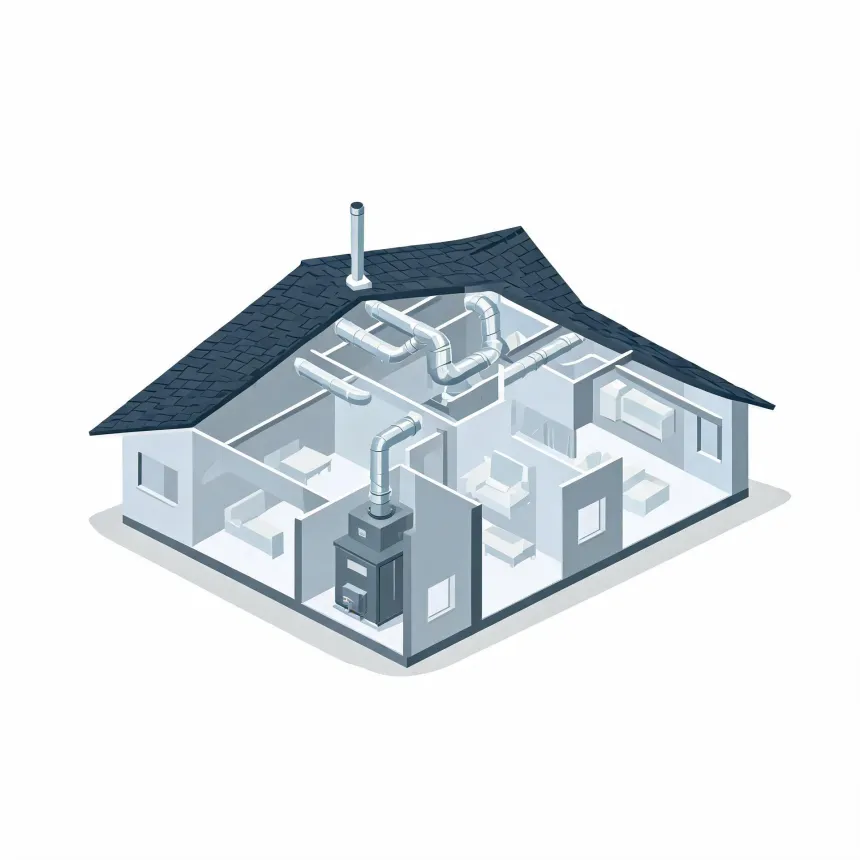
Isometric cutaway illustration of a single-story house showing interior rooms with furniture, a metal ductwork network, and a furnace unit connected to a vertical flue through the dark shingled roof.
Your furnace works hardest from November through March.

NOAA nClimDiv, 1991–2020 normals

Furnaces in Laconia run from September through May, with overnight lows averaging 14°F in January.

Size the new one for nine months of real work, not a mild stretch now and then.

Replace it in August, before the furnace has to work

Heat runs September through May
Winter nights average 14°F
44 winter storms from 2015 to 2024
Winter is what this county gets44 winter storms hit Belknap County between 2015 and 2024. A furnace that starts reliably matters when the power's been out.

Oil heats about half the homes in Belknap County, more than any other fuel. Gas, electric and propane furnaces all show up here too, but oil is what most contractors are replacing when they come out for a furnace job. That matters for installation because an oil furnace has different venting and a different fuel line than a gas or electric unit, so swapping in the same fuel type is usually the straightforward path. Switching fuels on a replacement is possible, but it changes what has to be run to the furnace, not just what sits in the cabinet. If your house was built for oil, ask what it would take to change that before you assume it's simpler to stay as is.

A new furnace here has a minimum to meet

Belknap County is zone 6A, a cold climate with winter lasting most of the year. Any new furnace here has to clear 80 percent AFUE at minimum, and that floor rises to 95 percent for units built starting in late 2028. A federal tax credit is available for qualifying high-efficiency equipment. Ask a contractor which systems qualify before you decide.

Find a contractor
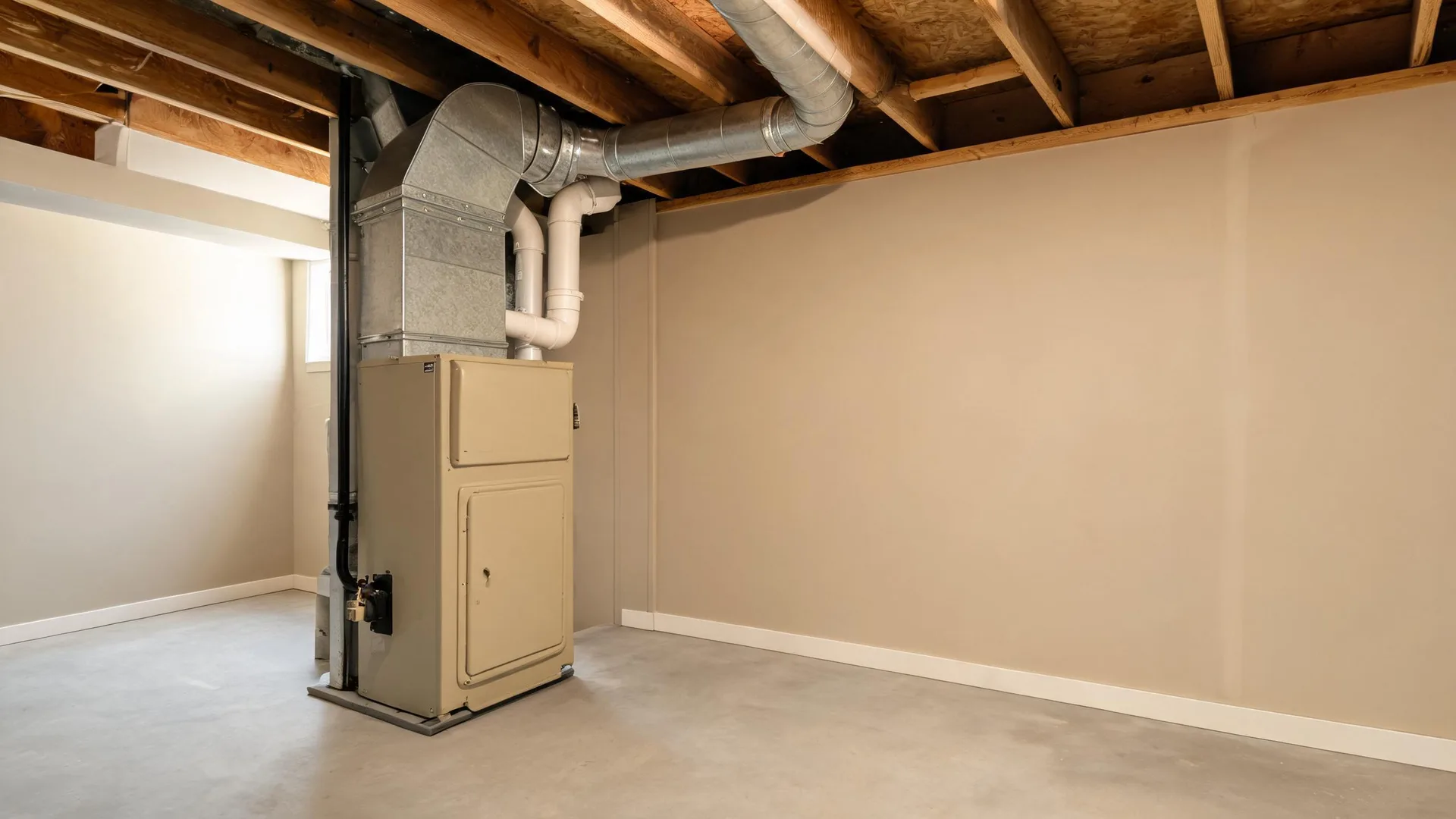
A gray residential gas furnace installed in an unfinished basement, surrounded by ductwork, a metal flue pipe, and a gas supply line.

Nine months of runtime, not a number off the last furnace

Get the sizing wrong and this is where it shows. A furnace that's too small runs flat out for nine months straight trying to keep up, and one that's too big short cycles on and off all winter instead of running steady. Either way something wears out before it should. Ask the contractor for a load calculation on your house, not a guess based on the old unit's size or the square footage alone.

The old furnace isn't the measuring stick

A contractor sizing a replacement has to ignore what's already bolted to the floor. The old unit might have been wrong from day one, or it was sized for a house that's since gotten new windows or more insulation in the attic. Copying its output forward just repeats whatever mistake was already there.
What a load calculation actually checks

A proper sizing calculation looks at wall and ceiling insulation, window area and type, air leakage, and the house's layout and square footage together, room by room. It's a set of measurements and a formula, not a walkthrough and a guess. The output is a specific number of Btu per hour the furnace needs to deliver, and that number is what the equipment gets matched to.

Ask what AFUE rating each quote is actually built around, not just the number on the brochure. Ask how they plan to vent it, because a higher-efficiency furnace often needs different venting than what's already run through the house, and that changes the job. Ask what's included in the warranty on the heat exchanger specifically, since that's the part that's expensive to replace and the one most likely to fail years down the line. Ask how they'll set up the ductwork if the new furnace moves a different volume of air than the old one. Contractors quoting the same efficiency rating can still be proposing different jobs underneath it.

Installation day starts with taking the old furnace out. The contractor disconnects the gas or oil line, the venting, the ductwork and the electrical, then removes the old unit whole or in pieces depending on where it sits. That alone can take a few hours if it's tucked into a tight closet or crawlspace. Once the space is clear, the vent pipe gets checked. Newer furnaces often move exhaust differently than old ones did, so that connection has to be right before anything else goes in. The new furnace gets set in place, leveled, and tied into the duct trunk, the fuel line and the electrical. Startup comes last. The contractor checks gas pressure or oil flow, confirms the igniter fires, watches the heat exchanger come up to temperature and tests the limit switches that shut the furnace down if it overheats. A contractor worth hiring runs the system through a full cycle and checks the temperature rise against what the manufacturer specifies before calling the job done.