Furnace Installation in New Hampshire
Homes in New Hampshire need heat for more months of the year than in 35 of the other 49 states.
Tell us about the job
Takes about a minute. No obligation.
- 15°Fwinter overnight low where people live
- 9 monthsof heat, September through May
- $18.09 per million Btuwhat homes paid for natural gas in 2024 (Btu means British thermal units, a measure of heat)
- 602winter storms from 2015 to 2024
Fuel oil costs more here than in most states on every heating bill this winter
- Northern counties need about 11% more heat than southern ones
- Winter nights average 15°F where people live
- Heat runs September through May
- 602 winter storms from 2015 to 2024
- Climate zones 5A and 6A across the state
- 22% of homes lost power a day or more in 2024


- A furnace sized to the right fuel and output holds a steady temperature rise, so rooms stop running hot near the thermostat and cold at the far end of the house
- Sealed duct joints mean the heat you pay for reaches the registers instead of leaking into the basement or attic along the way
- A new ignition system lights the same way every time, so you stop hearing the burner struggle or smelling oil on startup
- Correct static pressure means the blower isn't fighting the ductwork, which is what shortens a furnace's life before its time
- A condensate line that's run and sloped properly keeps a high efficiency furnace from tripping shut over a clogged drain
New Hampshire's northern counties need about 11% more heat over a year than the southern counties do. A furnace sized for a home near the coast won't necessarily be right for one near the Canadian border, even if the houses are a similar size.
Coos County needs about 37% more heat over a year than Rockingham County, where the state's heating need is lowest. A contractor sizing your furnace should be working from your county's heating load, not a statewide average.
Put the new furnace in during August, before it has to work
Heat runs here from September through May, about nine months a year. August is the last quiet month before that starts. A furnace put in during August has no one depending on it yet, so a contractor can size it properly and run it through its paces before the weather asks anything of it. Wait until the first cold week and that same work gets rushed, and a rushed install is a bad way to start nine months of relying on it.


2 months of cooling, July through August
9 months of heat, September through May
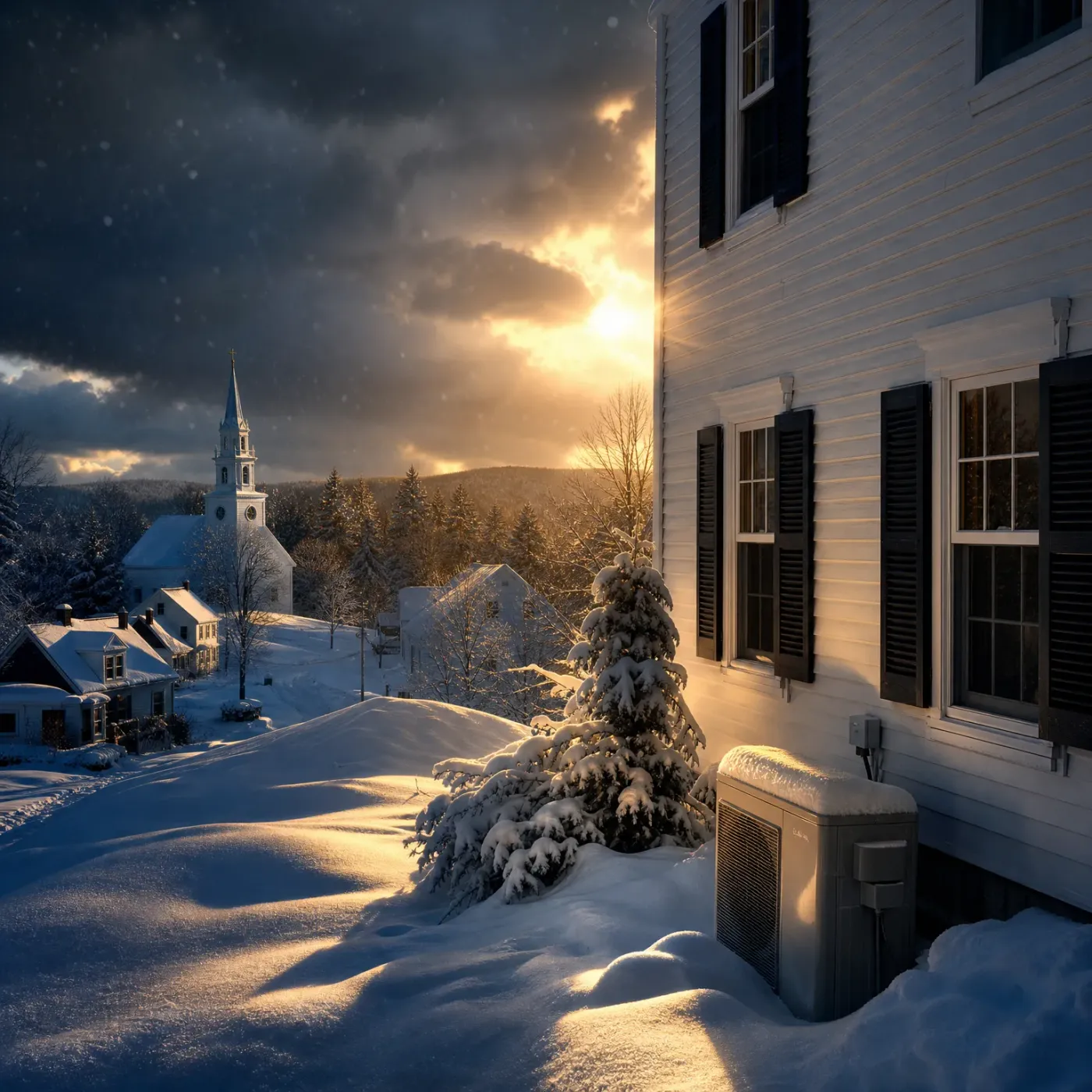
Severe weather has hit New Hampshire 1,780 times between 2015 and 2024, less than 28 other states saw in that same stretch. Hillsborough County carries the heaviest record in the state, with 251 of those events.
Damaging wind is the biggest share of it, 897 times, with the strongest gust measured at 62 mph. A furnace itself sits indoors and doesn't take wind damage, but a gust that strong can knock down the power line feeding it.
Winter storms, heavy snow, ice and blizzards, affected the state 602 times. That matters more here than it would elsewhere, since most furnaces still need electricity to run even when the fuel is oil or propane. The igniter, the blower and the control board all need power, so a storm that knocks out electricity knocks out heat too, tank full or not.
Hail reached New Hampshire 249 times, with the largest stone measured at 2.5 inches, and 14 tornadoes touched down, the strongest rated EF1. Neither reaches a furnace sitting inside the house, though a tornado strong enough to damage the roof or walls around it is another matter.
Lightning was rare, just 4 damaging strikes recorded, and tropical storms or hurricanes reached the state 14 times.
What ties back to the furnace is the power. 22% of New Hampshire households went at least a day without electricity in 2024, a larger share than in 32 other states. A furnace with no power doesn't push warm air no matter how much oil is in the tank, so where the thermostat and control board sit, and whether the home has any backup power, is worth asking your installer about before the first winter storm, not during one.
What does a furnace in New Hampshire face?
How cold do winter nights get?
15°Faverage overnight low where people live
North Dakota4°F
Hawaii65°F
How many months does the heat run?
9 monthsof heating a year
Hawaii0 months
Alaska12 months
What does natural gas cost?
$18.09per million Btu, what homes paid in 2024
Montana$7.77
Hawaii$53.25
How often do storms hit?
197severe weather events per county from 2015 to 2024
Alaska5
Wyoming1,057
How many homes lost power for a day or more?
22%of homes in 2024
Arizona7%
Maine54%
An August install gets checked properly. A rushed one doesn't.
Nine months of heat means a furnace here earns its keep or it doesn't. Get the install right in August and a contractor can fire it, check the flame, check the airflow, and fix anything that's off while the house doesn't need it yet. Wait until September and that same work happens with the temperature already dropping, and corners get cut just to get heat back on. September through May is a long stretch to find out your furnace was never set up right.
What happens on install day
The old furnace comes out first. The installer disconnects the gas line, the flue, the ductwork and the wiring, then checks what's underneath before the new unit goes in. If the ductwork or flue needs changes to fit the new furnace, that work happens before anything is sealed up, since furnaces vary in what size and type of venting they need. Setting the new unit in place is quick. What takes the time is connecting the gas line, wiring the thermostat and control board, sealing the duct joints, and running the condensate line if the furnace is high efficiency. Once it's hooked up, a good installer fires it and watches the flame through a full cycle. They check the temperature rise against what the manufacturer specifies and test the airflow at each register. Static pressure gets measured too, since too much resistance in the ductwork makes the furnace work harder than it should and can wear it out early. Problems are easier to catch here, while the furnace is still open and nothing depends on it yet. A duct that's too small or a gas line that needs adjusting gets fixed now, not after everything is closed up and running.
Most furnaces here run on oil or propane, not gas
Fuel oil heats more homes in New Hampshire than any other fuel, 39.5% of them, with bottled and tank gas covering another 19.2%. Both arrive by delivery, not pipeline, which is why so many furnaces here are built around a fuel tank instead of a gas meter. If your home already has an oil tank or a propane tank, a straight swap to the same fuel is usually the simplest install, since the tank, the line and the venting are already in place. Switching fuel types means bringing in a propane tank or a gas line where none existed, which adds real work before the furnace itself goes in. Utility gas reaches a smaller share of homes here, mostly where the pipeline already runs. Worth checking which fuel your current furnace uses before assuming the replacement should match it.
Oil heat here costs $24.23 per million Btu, so an efficient furnace pays you back on every bill.
Tell us about the job
Takes about a minute. No obligation.
Fill out the form once, and a contractor licensed in New Hampshire sizes the furnace to your county and fuel.