





A row of illuminated white colonial houses with black shutters and a stone wall along a road at dusk.

Furnace Installation in Lebanon, NH

Tell us about the job

Takes about a minute. No obligation.

New system or replacementFurnace or heatingGrafton County, NH
Step 1 of 2

What ZIP code is the job in?

Fuel oil ran $24.23 per million Btu in New Hampshire in 2024. That's the price per unit of heat before the furnace does anything with it. A furnace that wastes less of that heat up the flue costs less to run every month, not just over its lifetime. When you're comparing furnaces, ask what happens to the fuel you're paying for, because at that price, efficiency is the only thing standing between you and a bigger bill.

9 months
September through May, your furnace is on duty
10°F
the average winter night it heats against
80% AFUE
the federal minimum any new unit must meet
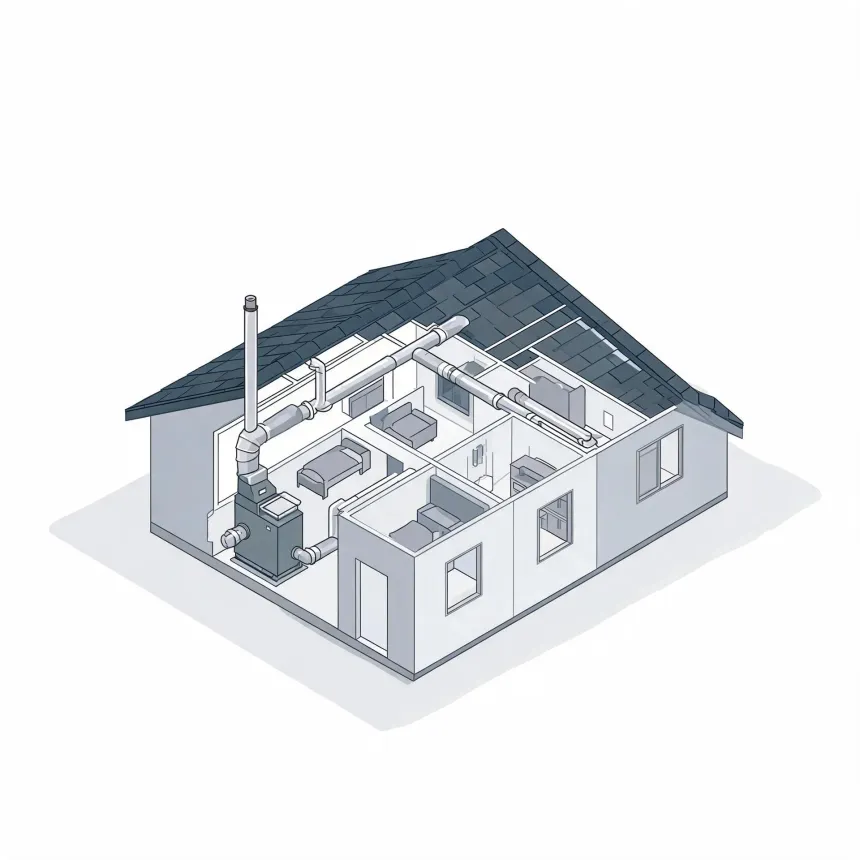
Isometric cutaway illustration of a single-story house showing interior rooms with furniture, ceiling ductwork, a furnace unit with a tall flue pipe, and a dark shingled roof.
Your furnace works hardest from November through March.

NOAA nClimDiv, 1991–2020 normals

Grafton County logged 74 winter storms between 2015 and 2024, more than any other kind of severe weather here.

A furnace installed with outage protection in mind keeps running when a storm takes the power out, not just when the weather is calm.

Nine months of heat means August is your window, not a scramble

Heat runs September through May
Winter nights average 10°F
74 winter storms from 2015 to 2024

If you're heating with oil, ask the installer for the AFUE rating before you ask about anything else. That number tells you how much of each gallon turns into heat in your house instead of going out the flue. A few points of AFUE sounds small until you multiply it by a winter of burning oil at $24.23 per million Btu. Two furnaces can sit at the same price installed and still cost very differently to run. Sizing matters too, since a furnace too big for the house cycles on and off and burns more fuel doing less work.

Oil heats most homes here, so matching your system keeps the job simple

Most homes in Grafton County heat with fuel oil, and yours is probably one of them. Replacing an oil furnace with another oil furnace means the venting, the fuel line and the tank are already set up for it. That's one less thing to change and one less thing to get wrong.

Find a contractor
A man in a cap, dark jacket and tan work pants carries a canvas tool bag up white porch steps toward a dark blue paneled front door, with a potted shrub beside the entry.
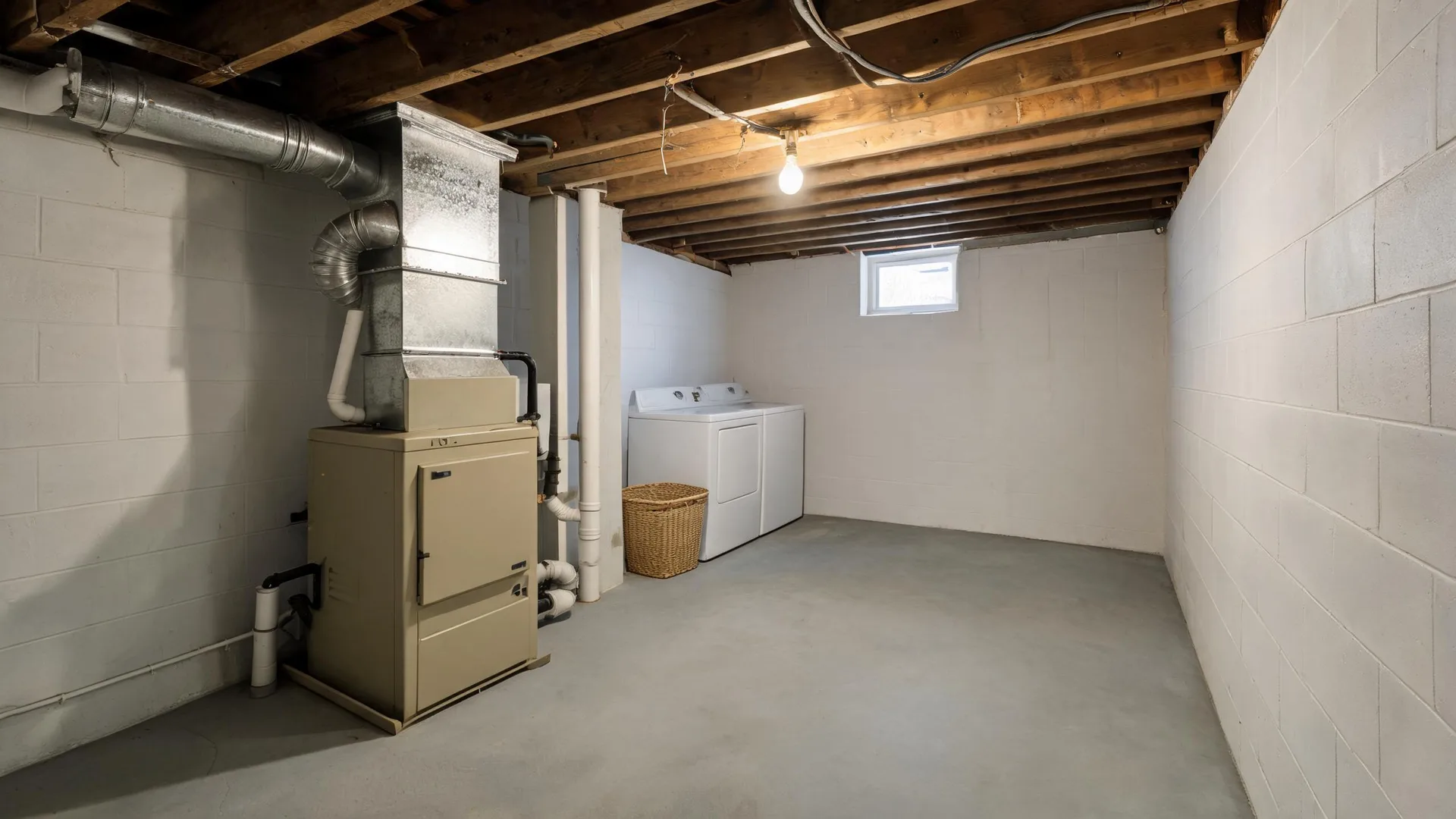
A gray gas furnace with attached ductwork and piping installed in an unfinished concrete basement.

Nine months of heat, and most of them cold

Heat runs here nine months of the year, September through May. Overnight lows average 10°F in December, January and February, so for most of that stretch the furnace is working against real cold, not just mild chill. A furnace sized right for the house handles that load without strain. One sized wrong, even slightly, ends up cycling on and off through all nine months, and that wear shows up sooner than it would somewhere milder.

The math is the house, not the furnace

A contractor works out the right size with a room by room load calculation. That means measuring wall area, window area, insulation, how the rooms are laid out. It has nothing to do with matching the old furnace or going a size up to be safe. Houses that look alike from the street can still need different sized furnaces once someone actually runs the numbers.
Oversized runs harder, not easier

A furnace that's too big for the house heats the air fast, shuts off, then fires again a short while later. Each of those cycles means the burner lighting and the blower starting from a stop, and that's where wear piles up, on the igniter, the blower motor, the heat exchanger. An undersized furnace has the opposite problem. It runs long stretches without catching up, so the rooms farthest from it stay cooler than the rest of the house.

AFUE is a percentage. It tells you how much of the fuel burned becomes heat in the house, and how much goes out the flue unused. A furnace rated higher wastes less at the burner, every cycle, for as long as you own it. That rating doesn't change with the weather or the size of the house. It doesn't describe the ductwork or how evenly heat reaches every room either. It describes the machine itself, nothing more. Ask for the AFUE number on anything you're considering, before you compare anything else about the units.

Installation day starts with the old furnace coming out, not the new one going in. The contractor disconnects the fuel line, the vent connection, the ductwork and the wiring, then clears the unit out before anything new goes in its place. Setting the new furnace means leveling it, connecting the supply and return ducts, running the flue and tying in the fuel line and the electrical. Every joint and connection gets checked for leaks before the system is sealed up. Once it's in place, the contractor fires it up and watches it run through a full cycle, checking the flame, the temperature rise across the heat exchanger and the airflow at the vents. That test run is what tells them the furnace is sized and installed right, not just that it turns on.