
Boiler Repair in New Hampshire
Homes in New Hampshire need heat for more months of the year than in 35 of the other 49 states.
Tell us about the job
Takes about a minute. No obligation.
- 15°Fwinter overnight low where people live
- 9 monthsof heat, September through May
- $18.09 per million Btuwhat homes paid for natural gas in 2024 (Btu means British thermal units, a measure of heat)
- 602winter storms from 2015 to 2024
Storms here mean longer outages Hillsborough County gets hit hardest
- Northern counties need about 11% more heat than southern ones
- Winter nights average 15°F where people live
- Heat runs September through May
- 602 winter storms from 2015 to 2024
- Climate zones 5A and 6A across the state
- 22% of homes lost power a day or more in 2024


Half of New Hampshire's homes were built in 1979 or earlier.
Oil heat runs expensive here. New Hampshire homes paid $24.23 per million Btu in 2024, more than most of the country pays. A boiler that's short-cycling, losing pressure, or firing longer than it should burns through that fuel fast. The longer a problem sits, the more it costs to run every week it goes unfixed.
A boiler with a bad igniter, a stuck zone valve, or air in the lines isn't just unreliable. It's working harder than it needs to for the heat you get. If yours has been acting up, that's not a sign to wait and see. It's a sign the fuel bill is already paying for the repair you haven't made yet.
The first cold month finds the weak part
Boilers here start work in September and run through May, nine months straight. That first stretch in September is when a weak part gets found. An igniter that was marginal in the spring, a zone valve that was starting to stick, a circulator pump that was getting noisy, all of it sat quiet over the summer and then got asked to run every day. September, before the cold settles in, is the month to get a boiler looked at. Once the season is underway, a failure means no heat while it gets sorted, not a quick fix.


2 months of cooling, July through August
9 months of heat, September through May
New Hampshire's heating need is not the same from county to county. Homes in Coos County need about 37% more heat over a year than homes in Rockingham County, where the need is lowest in the state. Overall, the northern counties need about 11% more heat over a year than the southern counties.
Coos County homes need heat about 10 months a year, the longest stretch in the state. Hillsborough County homes need it for about 8, the shortest. A boiler in Coos County is doing more months of work before it gets any break, and that changes how soon wear shows up, even with Hillsborough taking the harder hit when storms knock out power.
Winter nights are coldest in Coos County, where the low averages 8°F across December, January and February. In Rockingham County the average low is 18°F. A boiler running against single digits night after night is under a different load than one running against the high teens, even if both are the same age and the same model.
Where a boiler sits in New Hampshire changes what to check first. In the north, a system running nearly year-round against hard cold is a better bet to show a worn circulator pump or a burner that's been firing longer than it should. Farther south, with a shorter season and milder nights, the same symptoms point sooner to a thermostat, a zone valve, or something electrical that has nothing to do with how hard the boiler has been working.
What does a boiler in New Hampshire face?
How cold do winter nights get?
15°Faverage overnight low where people live
North Dakota4°F
Hawaii65°F
How many months does the heat run?
9 monthsof heating a year
Hawaii0 months
Alaska12 months
What does natural gas cost?
$18.09per million Btu, what homes paid in 2024
Montana$7.77
Hawaii$53.25
How often do storms hit?
197severe weather events per county from 2015 to 2024
Alaska5
Wyoming1,057
How many homes lost power for a day or more?
22%of homes in 2024
Arizona7%
Maine54%
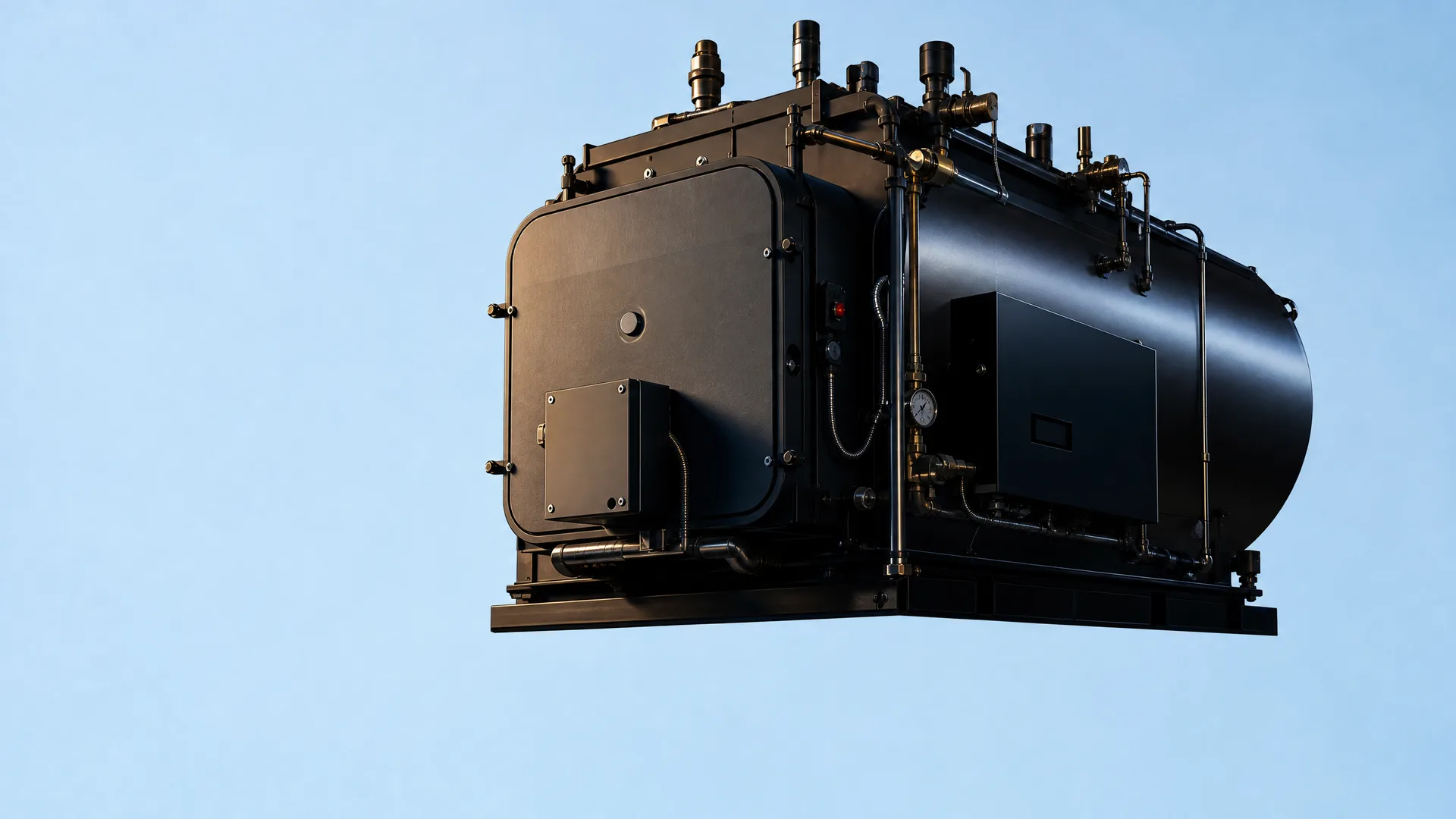
Nine months of runtime wears a boiler down
Nine months of firing a night after night of cold is a lot to ask of a circulator pump, a burner, or the seals on a cast iron section. New Hampshire's overnight lows average 15°F through December, January and February, and the boiler runs from September clear through May to keep up with that. That's more months of work than homes see in 35 other states. A boiler built for occasional cold snaps and one built to run nine months straight wear differently, even if they're the same make and model. When a part finally gives out here, it's usually not bad luck. It's the long season catching up with it.
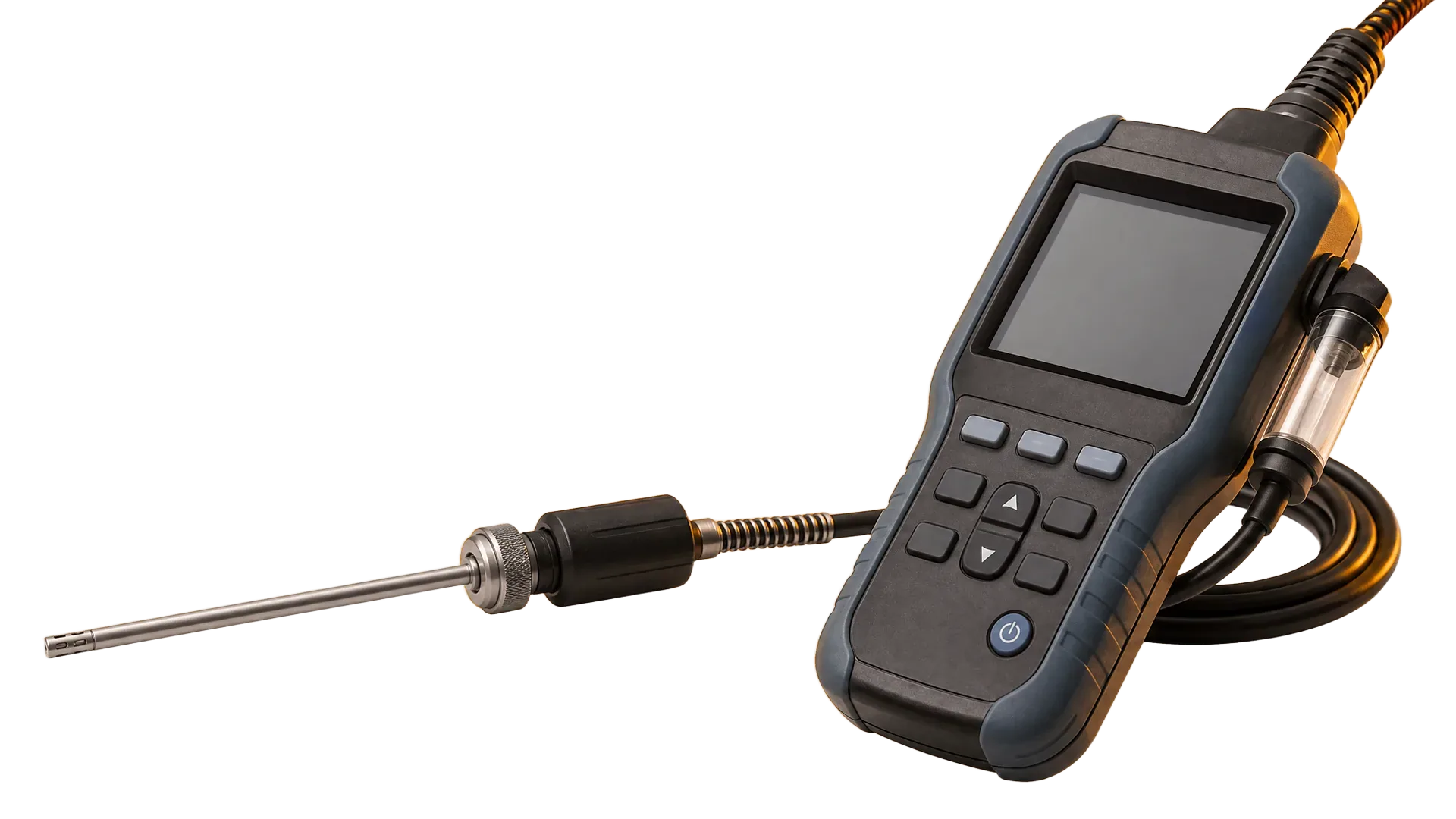
One broken part or a pattern of them
A boiler is worth fixing more often than it's worth replacing, and age by itself doesn't settle it. What matters is which part failed and what else has gone wrong before it. A cracked heat exchanger ends the conversation, since that's the shell the rest of the machine is built around and it isn't something to patch. A bad igniter, a failed circulator pump, a stuck zone valve, or a faulty aquastat are a different matter. Those parts fail on their own schedule, get swapped out, and let the rest of the boiler keep going. The cast iron sections and the burner assembly are built to outlast most of what's bolted to them. If a boiler has needed a string of repairs close together, each one a different part, that pattern matters more than any single failure. It says the system is reaching the point where parts start going in sequence instead of on their own. One honest failure after years of quiet running is a repair. A new problem every winter is a boiler that's done being reasonable about it.
Outages here cut the heat too
New Hampshire sees severe weather more often than most of the country, and a day-long power cut happened to 22% of households here in 2024, more than in 32 other states. A boiler needs power to run even if it fires on oil or gas, since the circulator pump and the controls both depend on it. When the power drops mid-winter, the heat stops with it until the power comes back, and most boilers start up again on their own once it does. If the outage ran long or the storm brought down a branch near the vent pipe or the flue, have the boiler checked before trusting it through the next cold stretch.
A boiler burning $24.23 per million Btu oil and running rough is costing you every week it sits unfixed.
Tell us about the job
Takes about a minute. No obligation.
Fill out the form and a licensed New Hampshire contractor gets in touch to look at the boiler.