




White colonial-style houses with lit windows photographed at dusk along a tree-lined street.

Boiler Repair in Concord, NH

Tell us about the job

Takes about a minute. No obligation.

RepairBoilerMerrimack County, NH
Step 1 of 2

What ZIP code is the job in?

Your boiler in Concord runs from September through May. That's nine months of the year it has to work, not just the coldest weeks. Overnight lows in this county average 14°F through December, January and February, so on a lot of those nights it's running close to as hard as it can. That kind of stretch wears on a boiler. A weak circulator pump or a failing igniter usually doesn't announce itself all at once. It shows up as a cold radiator, a strange noise, or a pilot that won't stay lit, and those are worth having looked at properly so whatever gets fixed actually holds.

Half the homes in Merrimack County were built in 1977 or earlier, half later.

Old or new, a boiler acting up here is usually a known problem with a known fix.

Nine months of heat means September is when a weak boiler gets found out

Heat runs September through May
Winter nights average 14°F
Climate zone 5A
Running costs more here when it's not working rightFuel oil ran $24.23 per million Btu in New Hampshire in 2024.

Winter storms with heavy snow and ice have hit Merrimack County 35 times between 2015 and 2024. A boiler doesn't take wind or hail damage the way an outdoor AC unit does, but it still depends on power to run its igniter and circulator pump. Close to a quarter of New Hampshire households lost power for a day or more in 2024. If an outage hits during a cold snap and the boiler doesn't restart cleanly once power is back, that's worth a call, not a wait and see.

Have it checked before the cold asks more of it

A cold radiator or a pilot that won't hold doesn't fix itself once the weather turns. Get it looked at before the next stretch of nights in the teens asks more of it than it has left to give.

Find a contractor

The noise usually comes first

A boiler that's starting to fail will often bang, kettle, or make a low rumbling sound as it heats up. That's usually sediment built up on the heat exchanger, or trapped air in the system. It doesn't mean the boiler is done, but it means something inside is working harder than it should to do its job.
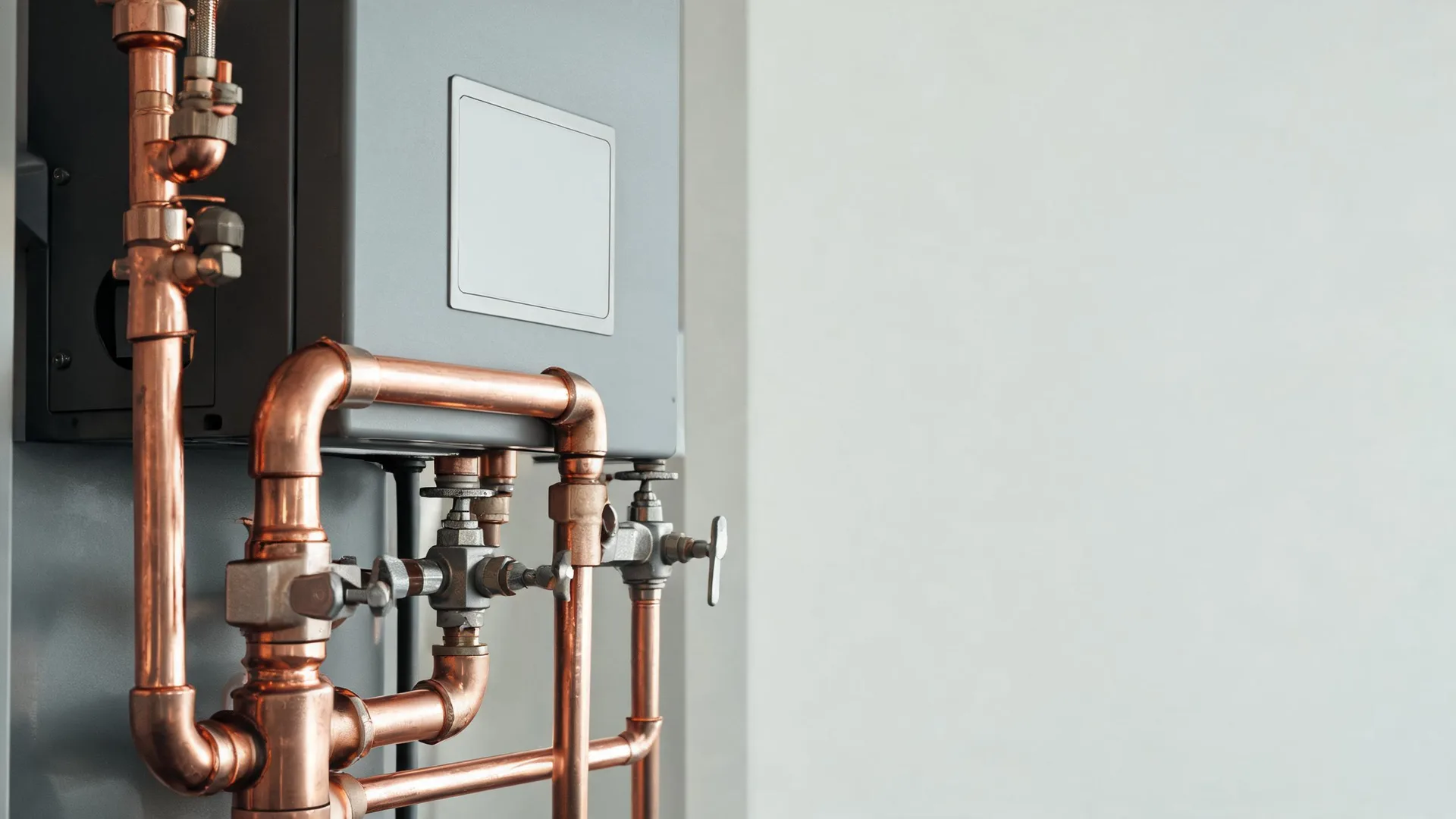
A cold radiator points to the circulator

If one radiator stays cold while the others heat up fine, the water isn't getting to it. That's often a circulator pump that's weak or seized, or a valve that's stuck. It's a specific, fixable problem, not a sign the whole system is failing, but it won't sort itself out on its own.

Before you call, check the pressure gauge on the front of the boiler. If the needle has dropped near the bottom, that alone can keep it from firing. Look at the pilot or ignition window and see if there's a flame at all. If you smell gas anywhere near the unit, stop and shut off the gas valve instead of troubleshooting further. Check that the thermostat has power and is actually calling for heat, since a dead battery there can look exactly like a dead boiler. If one radiator stays cold, feel along its length. Cold at the top but warm lower down usually means it needs bleeding, which is safe to try yourself. Cold all over points to something upstream that a tech needs to look at. None of this tells you what's wrong inside the boiler, but it rules out the easy stuff first.

A boiler lasts a long time because most of what fails on it is a part, not the vessel itself. A circulator pump, an igniter, a thermocouple, a control board. Any of these get replaced on its own, and the boiler keeps running for years after. What changes the math is the heat exchanger. Once that's cracked or badly corroded, that part isn't sold on its own, so fixing it means replacing the boiler. That's why the question worth asking isn't how old the boiler is. It's what actually failed, and whether that same part is likely to fail again. A tech who can answer that is giving you something to decide with. One who just says the boiler is old isn't.