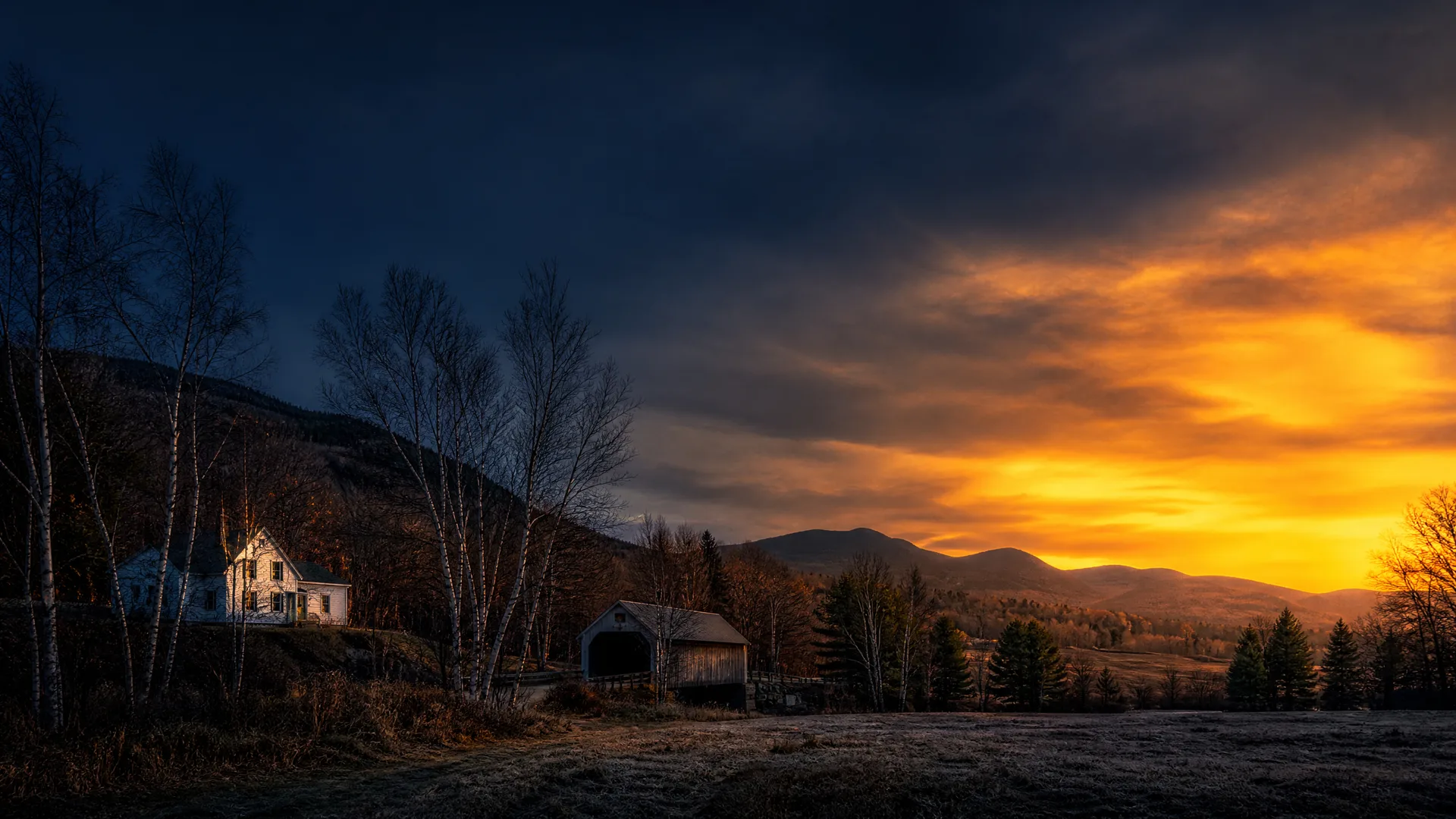
Boiler Installation in New Hampshire
Homes in New Hampshire need heat for more months of the year than in 35 of the other 49 states.
Tell us about the job
Takes about a minute. No obligation.
- 15°Fwinter overnight low where people live
- 9 monthsof heat, September through May
- $18.09 per million Btuwhat homes paid for natural gas in 2024 (Btu means British thermal units, a measure of heat)
- 602winter storms from 2015 to 2024
Fuel oil here runs $24.23 per million Btu a boiler's efficiency shows up on every fill-up
- Northern counties need about 11% more heat than southern ones
- Winter nights average 15°F where people live
- Heat runs September through May
- 602 winter storms from 2015 to 2024
- Climate zones 5A and 6A across the state
- 22% of homes lost power a day or more in 2024

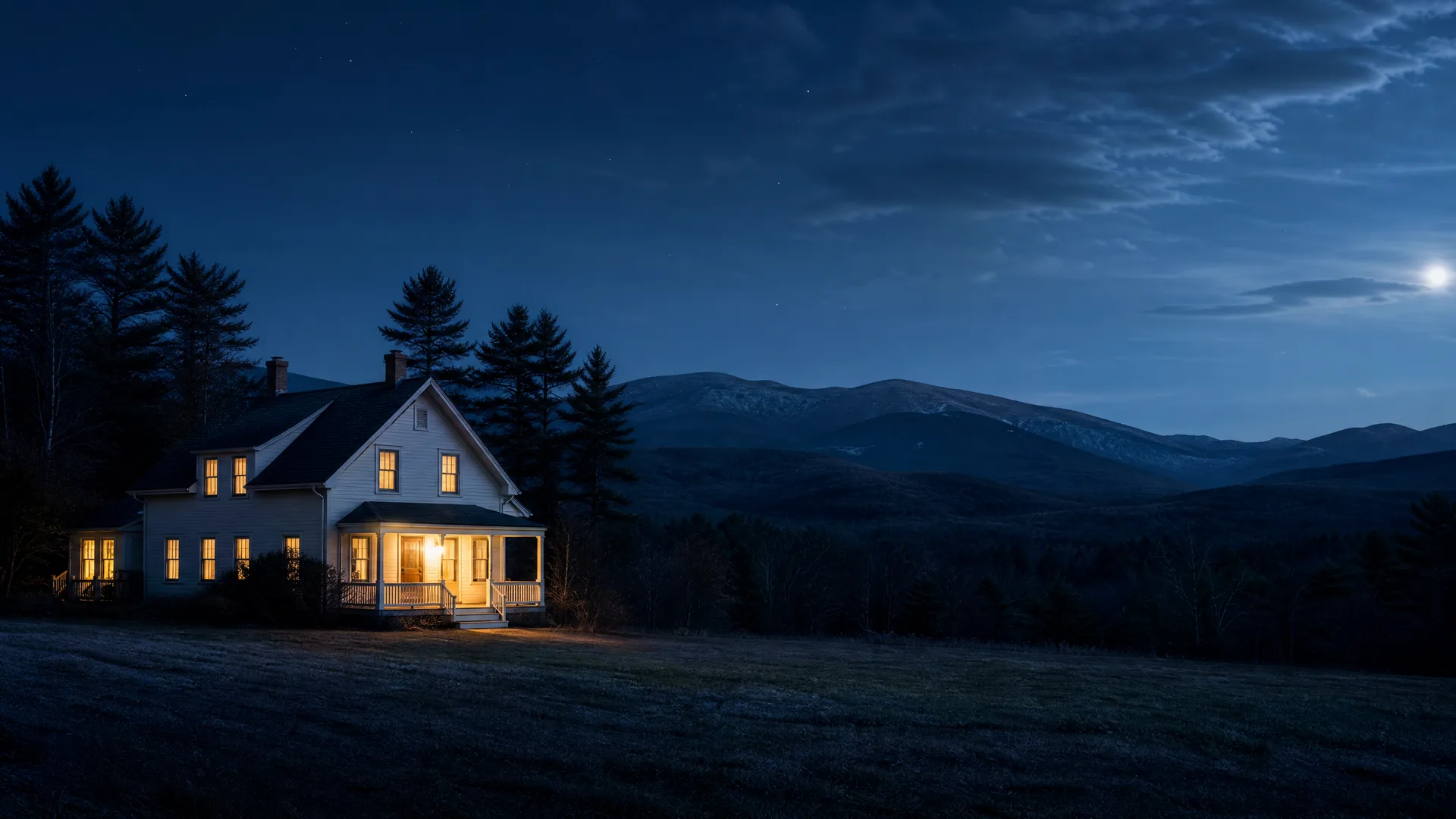
An older house doesn't mean a bigger boiler
Half the homes in New Hampshire were built in 1979 or earlier, and half in 1979 or later. Most of them, 68.8 percent, are detached or attached single-family houses rather than condos or multi-unit buildings. That's the kind of house a standard boiler is sized for. If your system came with the house, it's worth finding out its age and size before you replace it, since a boiler sized for one layout doesn't always suit another. None of that calls for going bigger or choosing something other than a standard installation.
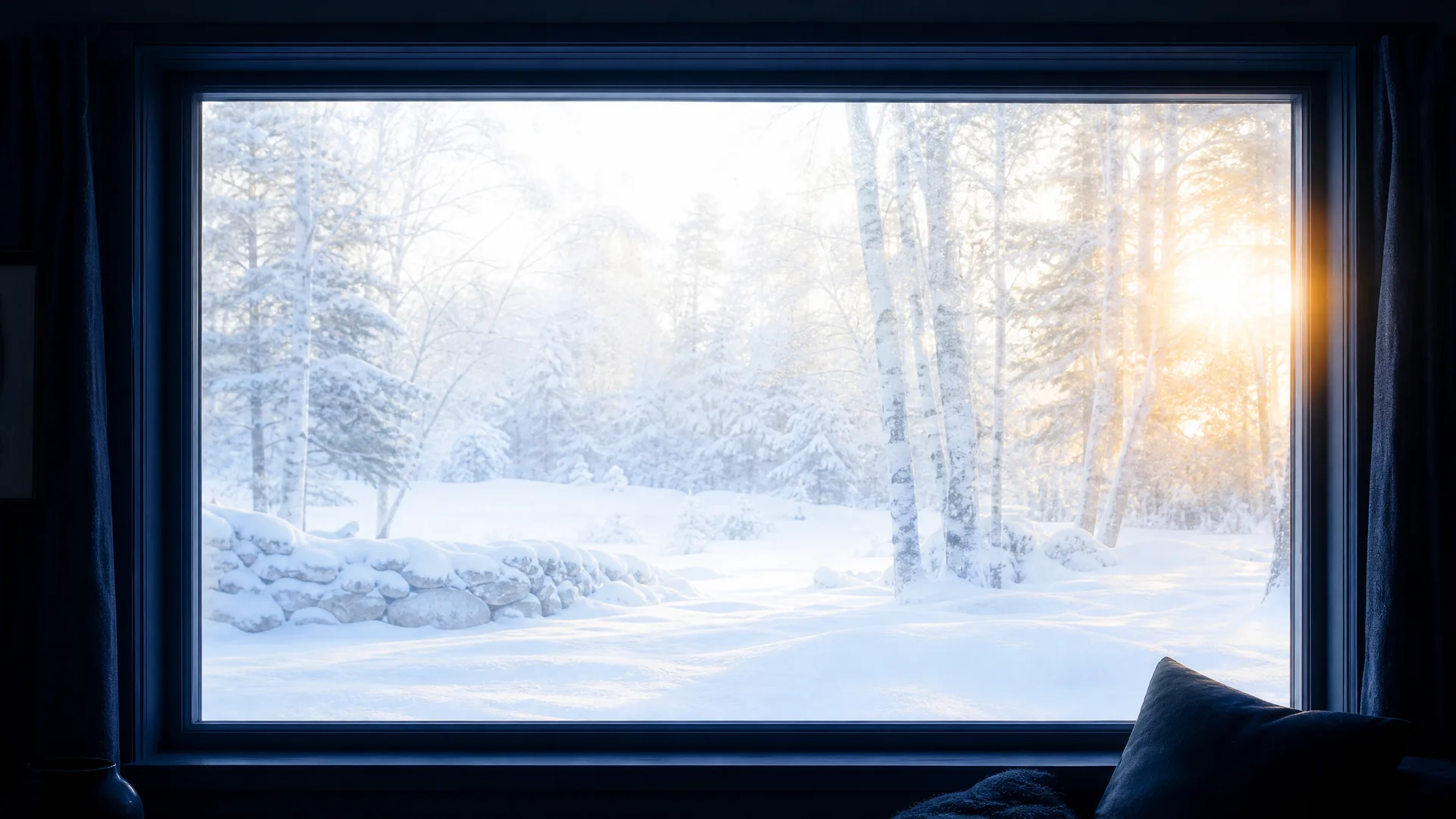
Heat runs here from September through May, about nine months a year. That's more months than 35 other states need heat for. A boiler going in this year will spend most of its time working, not sitting idle.
August is the last quiet month before the heat goes on. Replace an old boiler then and it gets sized, installed and tested before anyone needs it. Wait until the first cold snap and you're choosing in a hurry, from whatever is on the truck.
August is the month to do this without a deadline
Nine months of heat means nine months for something to go wrong if the install is rushed. A boiler put in during August gets fired, checked and adjusted with no one waiting on it to work. Wait until the heat is already needed and whoever installs it is doing that same work in a cold house, with you asking how soon it'll be warm again.


2 months of cooling, July through August
9 months of heat, September through May
What does a boiler in New Hampshire face?
How cold do winter nights get?
15°Faverage overnight low where people live
North Dakota4°F
Hawaii65°F
How many months does the heat run?
9 monthsof heating a year
Hawaii0 months
Alaska12 months
What does natural gas cost?
$18.09per million Btu, what homes paid in 2024
Montana$7.77
Hawaii$53.25
How often do storms hit?
197severe weather events per county from 2015 to 2024
Alaska5
Wyoming1,057
How many homes lost power for a day or more?
22%of homes in 2024
Arizona7%
Maine54%
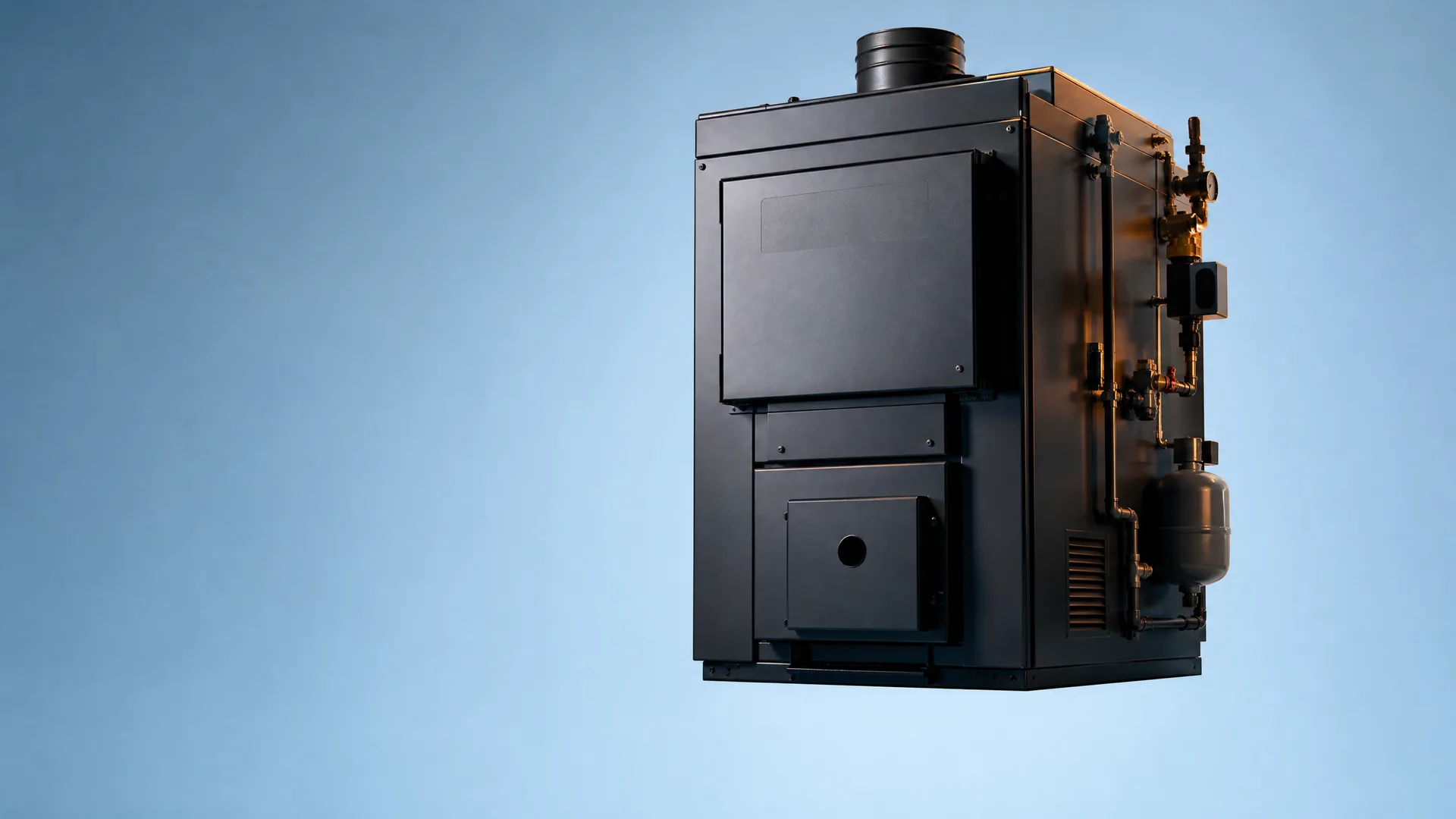
What it burns matters more here than most places
Fuel oil here runs $24.23 per million Btu. A boiler burns through that fuel every time the heat kicks on, and in a state that needs heat most of the year, that's a lot of burning. An efficient boiler gets more heat out of that same oil. A tired one, with a cracked heat exchanger or scale built up inside, burns the same fuel and gives less of it back as heat. That difference doesn't show up as one number on a sales sheet. It shows up on every delivery, for as long as the boiler is running.
Taking out the old boiler is its own job
The old boiler has to come out before the new one goes in, and that part of the job matters too. A contractor will drain it, disconnect the gas or oil line, and break the venting connection before moving it out. If it's a cast iron boiler, expect it to come out in pieces, since one solid piece rarely fits through a basement doorway. Whatever fuel line or chimney connection fed it either gets capped, reused, or changed over, depending on what the new boiler needs. A boiler that ran on a chimney flue for decades might not need that chimney at all once a newer, direct-vent model goes in, and that changes what happens to the flue opening afterward. None of this is a quick swap, and it's worth knowing that going in rather than assuming the old one just gets unplugged and carried off.
Coos County and Rockingham County aren't heating the same house
New Hampshire isn't one heating load. Homes in the northern counties need about 11% more heat over a year than homes in the southern counties, and Coos County needs about 37% more than Rockingham County, where the need is lowest statewide. A boiler sized for a house in Rockingham County is answering a different question than one going into Coos County. That's not about the brand or the tier of equipment. It's about matching the install to the county it's going into, not just the state.
Nine months of heat a year means this boiler has to be sized right, not just installed.
Tell us about the job
Takes about a minute. No obligation.
Fill out the form once and a licensed boiler installer in New Hampshire calls to look at the job.