



A row of similar single-story light-colored houses with gray gabled roofs behind a white picket fence and a mown lawn, with large deciduous trees behind them.

Boiler Installation in Dover, NH

Tell us about the job

Takes about a minute. No obligation.

New system or replacementBoilerStrafford County, NH
Step 1 of 2

What ZIP code is the job in?

Fuel oil ran $24.23 per million Btu in New Hampshire in 2024. That price lands harder on a boiler that's losing heat up the flue or cycling more than it needs to. An efficient boiler gets more heat into your rooms from every gallon burned, so the price per million Btu matters less than it would with an old unit wasting a chunk of every cycle. If your boiler runs on oil, this is the number that decides what each winter actually costs you.

Winter storms hit Strafford County 44 times between 2015 and 2024.

A boiler that keeps running through a storm outage matters more here than the brand on the jacket.

Eight months of heat a year means your boiler barely gets a break

Heat runs October through May
Winter nights average 16°F
44 winter storms from 2015 to 2024

Fuel oil or kerosene heats 42.5% of occupied homes in Strafford County, more than any other fuel, with utility gas a distant second at 21.4%. If your old boiler ran on oil, an oil-fired replacement keeps the same tank, the same lines, and the same delivery setup you already have. Switching fuels means new venting, new gas lines or a propane tank, and that's a bigger job than swapping one boiler for another. For most homes here, matching what you had is the simpler path.

Get it done before October

Heat starts in October here. A boiler installed in September goes in on your timeline, with time to work out any issues before you need it. Wait until the first cold snap and you're choosing from whoever can come out, not whoever's right for the job.

Find a contractor
A man in a cap, gray T-shirt and tan work pants carries a canvas tool bag up porch steps toward a dark blue front door of a gray clapboard house, with a potted plant at left.

The boiler itself is one line item

Output has to match the heat loss of the rooms it serves, and the venting, piping and controls that go with it make up as much of the job as the unit. A straight swap, same size, same spot, same vent run, is the simplest version of this job. Anything that changes, like moving the unit, upsizing it, or switching how it vents, adds work on top of the boiler's own price.
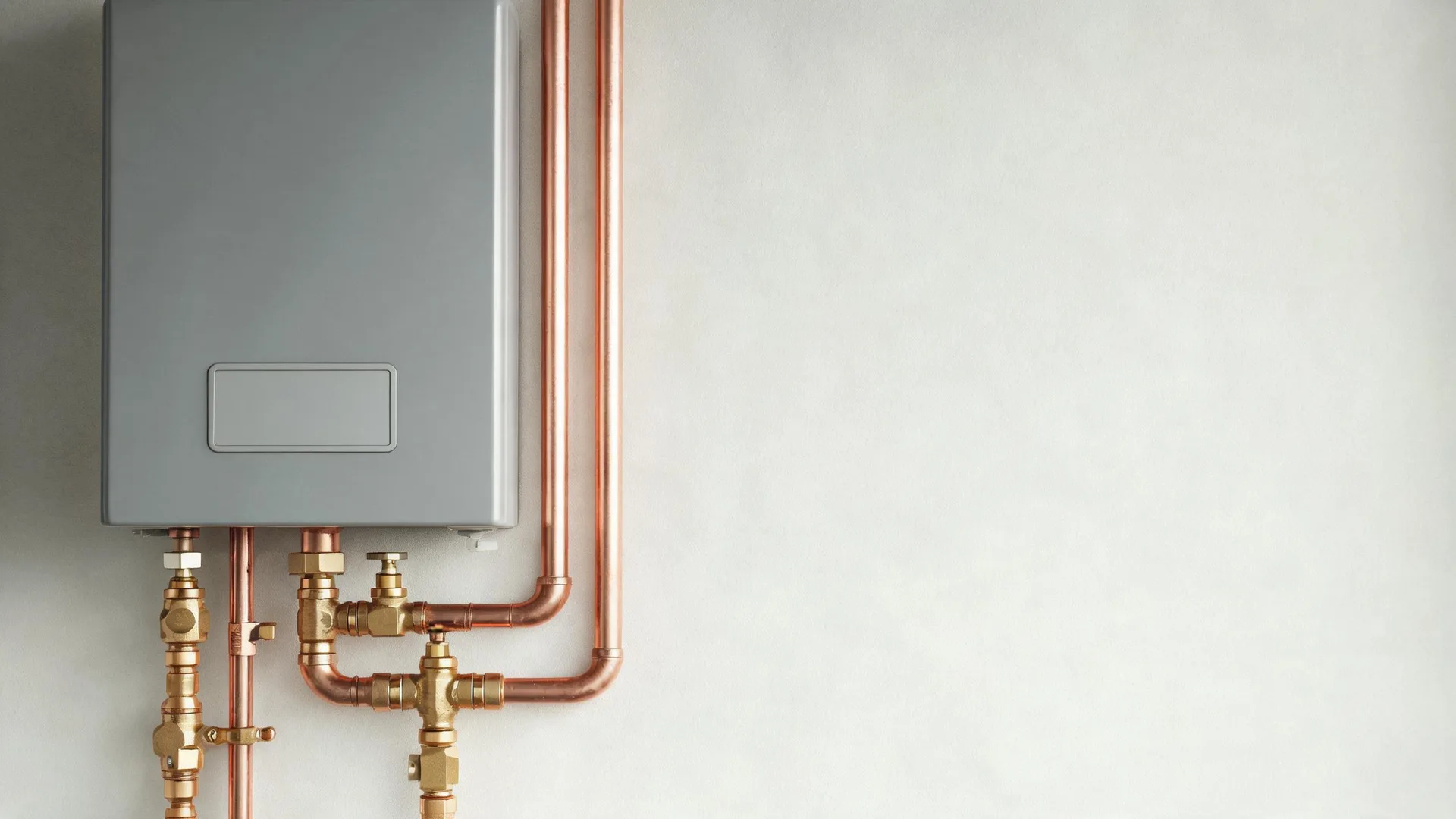
What's hidden costs more than what's visible

Old piping, a chimney liner that won't pass inspection, or a gas line sized for a smaller load are the things that turn a straightforward install into a longer one. None of that shows up until the old boiler is out and someone can see what it's been connected to. Get a contractor to look at the venting, the lines and the near-boiler piping before quoting, not after the old unit is already disconnected.

Ask what each quote actually includes before comparing prices. One contractor might be pricing a straight swap, another might be pricing new venting or a bigger gas line, and those numbers won't mean the same thing side by side. Ask how they sized the boiler. It should come from a heat loss calculation on the rooms it serves, not just a match to the old unit. Ask about the near-boiler piping too. That's the piping right at the unit that affects how efficiently it fires and how long it lasts, and it's easy for a quote to skip over. Ask what happens to the venting if the new boiler is more efficient than the old one. A more efficient unit often vents differently, and that can mean a different pipe or a different path out of the house.

Installation day starts with the old boiler coming out, and that's when the real work gets measured, not before. The new unit gets set, leveled, and connected to the existing piping or new piping if the run changed. Gas or oil line gets hooked up and checked for the right pressure and flow before anything fires. Venting gets connected next, and that connection gets checked for the correct pitch and clearance, since a vent that doesn't draw right will backdraft instead of carrying exhaust out. Once everything's connected, the system gets filled, purged of air, and fired up for a test run. A contractor worth hiring won't leave until they've checked the burner's flame, confirmed the controls are responding, and walked the system through a full heating cycle, not just a quick light-off.