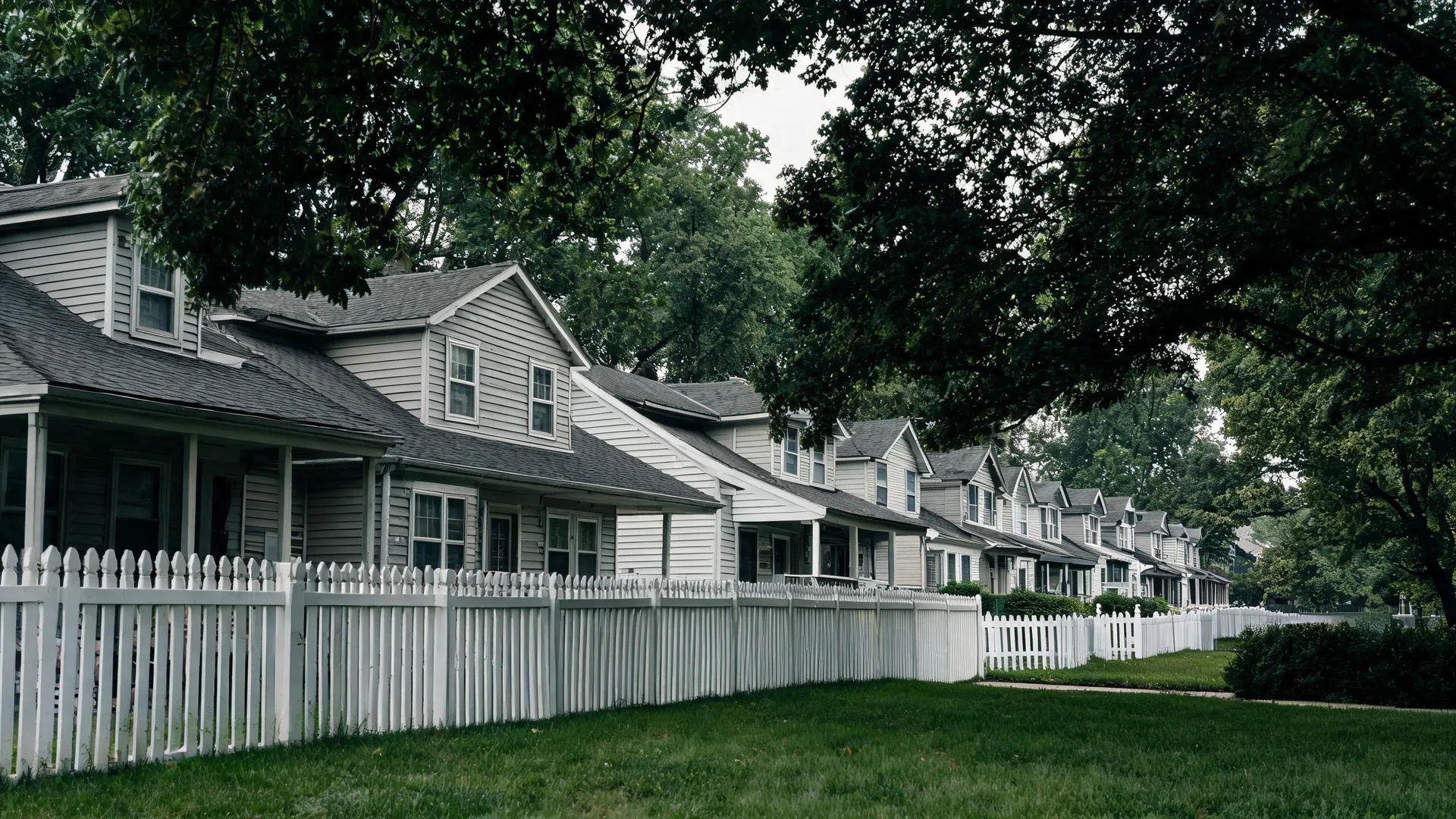




A row of similar gray-sided houses with gabled dormers behind a white picket fence, with mown grass in the foreground and large leafy trees overhead.

Boiler Installation in Portsmouth, NH

Tell us about the job

Takes about a minute. No obligation.

New system or replacementBoilerRockingham County, NH
Step 1 of 2

What ZIP code is the job in?

Fuel oil ran $24.23 per million Btu in New Hampshire in 2024. If your boiler runs on oil, that price is the reason efficiency matters more here than somewhere with cheaper fuel. A boiler that wastes less heat per gallon burned shows up directly on your next delivery. This is worth bringing up with the contractor pricing out your installation, since boilers vary in how much of that fuel actually becomes heat in your home versus going out the flue.

A boiler in Portsmouth runs eight months of the year, with overnight lows near 18°F for weeks at a stretch.

Size the new boiler for a New Hampshire winter, not a mild one, since this county sees storms most years.

Rockingham County sees enough storms that outage protection belongs in the installation plan

200 severe weather events from 2015 to 2024
22% of homes statewide lost power a day or more in 2024
103 damaging wind events from 2015 to 2024

Rockingham County sits in climate zone 5A, a cool zone where heating carries more of the load than cooling does. Any gas-fired boiler installed here now has to reach 84 percent AFUE, so that's the floor a contractor is pricing from, not an upgrade option. A federal tax credit is available for qualifying high-efficiency equipment, worth asking about when you're comparing quotes. Ask what AFUE rating each unit hits above that minimum, since the gap between 84 percent and a high-efficiency model is what shows up in your fuel use every winter after this one.

Have the new boiler in before October

Heat runs October through May here, eight months straight. Replace the boiler in September and it goes in on your schedule, with time to size it right and check the venting, not during the first cold snap when you've got no heat and no time to compare quotes.

Find a contractor
A man in a cap, dark jacket and tan work pants carries a canvas tool bag up white porch steps toward a dark blue paneled front door, with a potted shrub beside the entry.

The boiler itself is one line item

Cast iron, steel and aluminum heat exchangers all carry different prices, and the venting changes with the choice. A high-efficiency condensing boiler needs PVC venting and a condensate drain, where an older style vents through a chimney. The system that fits your existing pipes and flue often costs less to install than one that needs them rerun, even if the unit itself costs more.
The hookup around it adds up separately

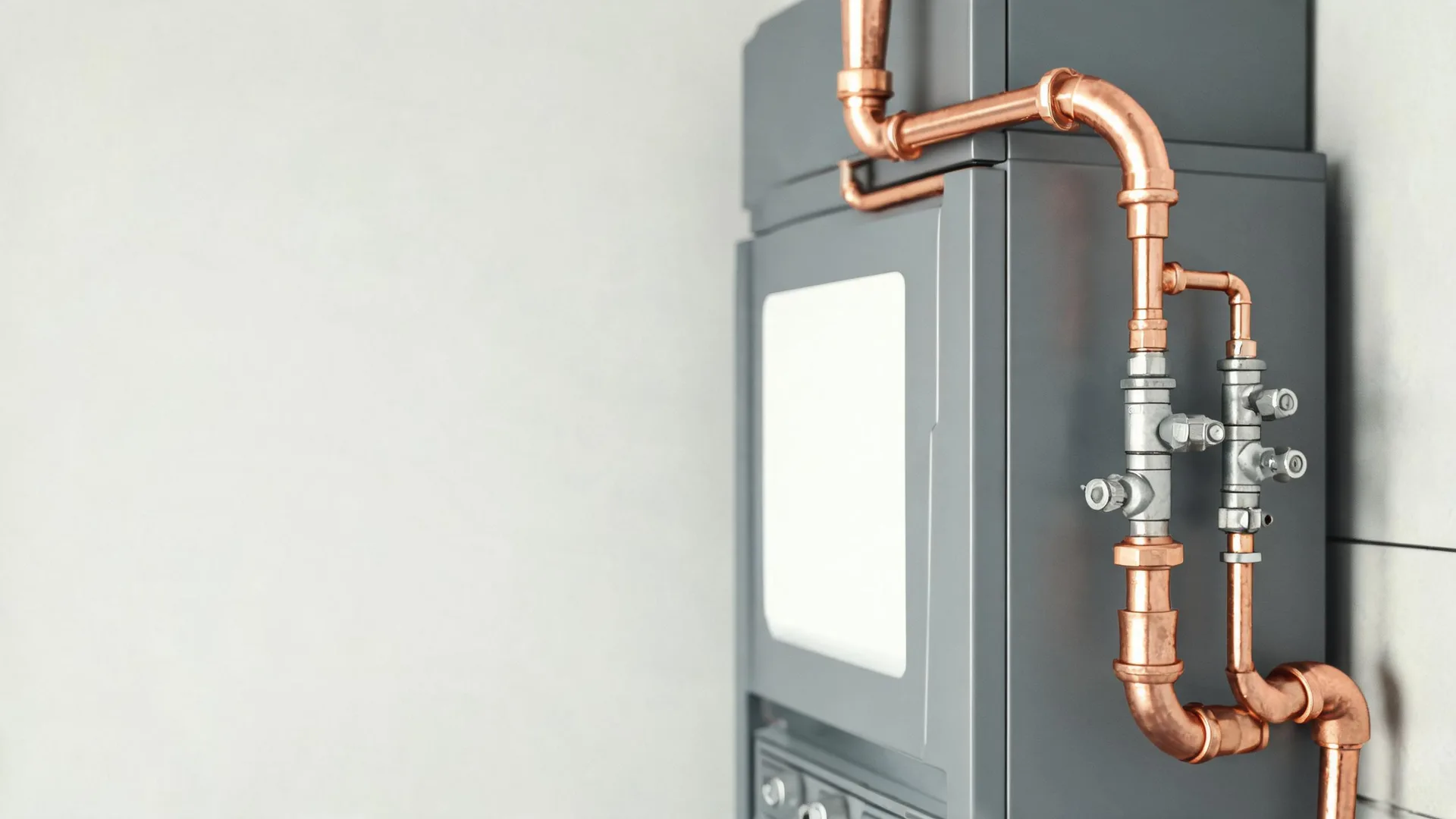
Zone valves, a new circulator pump, an expansion tank, backflow preventers and a chimney liner all get priced apart from the boiler. A contractor replacing a unit of the same type and size can often reuse the existing piping and electrical. Swapping fuel type, changing the boiler's footprint, or moving it to a new spot in the house means new gas lines, new venting or new wiring, and that work is priced on its own.

Taking out the old boiler is part of the installation job, not a separate call. A contractor will drain the system, disconnect the gas or oil line, and haul the unit out the same day they set the new one. If the old boiler vented through a chimney and the new one doesn't need it, that flue connection gets sealed off, so you aren't losing heated air up a chimney that isn't doing anything anymore. Cast iron boilers are heavy enough that they often get broken down or sectioned before they come out the door. Ask what happens to the old unit before the work starts. Most contractors scrap the metal rather than haul it to a landfill, since cast iron and steel both have value as scrap.

Install day starts with the system off and the water drained, so expect no heat from the old boiler from the morning the work begins. Once the old unit is out, the contractor sets the new one, runs the venting, and connects the gas or oil line and the water piping. Every joint gets pressure tested before the system is filled again, since a leak found now is a lot easier to fix than one found after the walls are closed up. The boiler gets fired, and the contractor checks the burn and sets the controls so it fires correctly and shuts off correctly. Zone valves and the circulator get checked under real water flow, not just wired up and left. A boiler that's sized and installed right should run quietly, with no banging in the pipes as it heats up and no short cycling where it fires on and off within a few minutes.