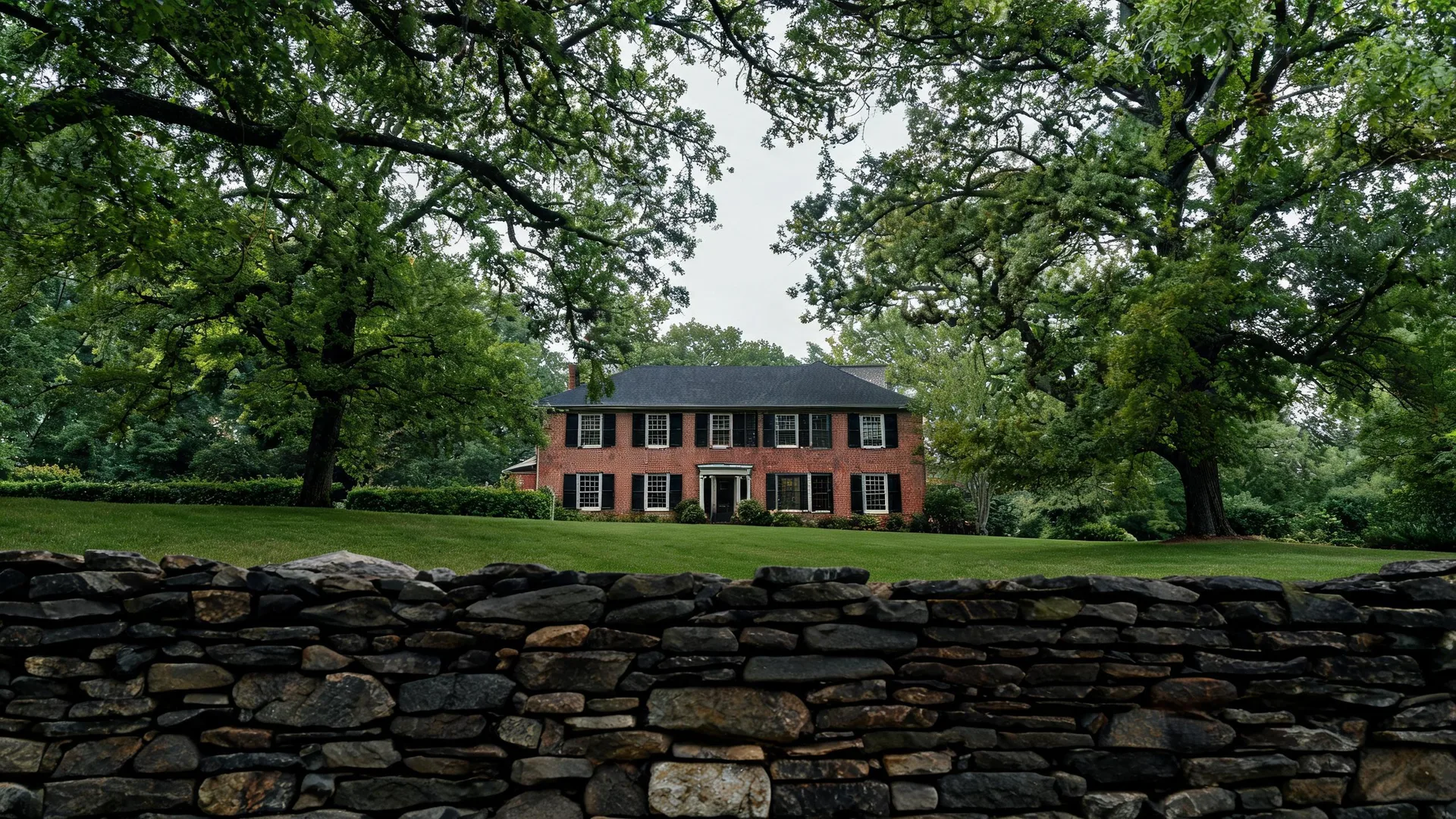





A two-story red brick house with black shutters and a gray roof sits behind a mowed lawn, framed by large deciduous trees, with a dry-stacked stone wall in the foreground.

Boiler Installation in Laconia, NH

Tell us about the job

Takes about a minute. No obligation.

New system or replacementBoilerBelknap County, NH
Step 1 of 2

What ZIP code is the job in?

Fuel oil ran $24.23 per million Btu in New Hampshire in 2024. If your boiler runs on oil, that price is why the installed efficiency matters more here than it would somewhere with cheaper fuel. A new boiler loses less of that heat up the flue. Over a winter of steady runtime, a few points of efficiency are the difference between a bill you expected and one that surprises you. Worth asking any contractor you talk to what AFUE rating they're quoting and why.

Boilers in Belknap County run about nine months a year, with overnight lows averaging 14°F in December, January and February.

A boiler sized and installed right here has to hold up to a long, hard winter, not just a few cold snaps.

Belknap County sees its share of storms, but that doesn't change what boiler fits your home

96 severe weather events from 2015 to 2024
22% of homes statewide lost power a day or more in 2024
38 damaging wind events from 2015 to 2024
Oil heat runs this countyClose to half of Belknap County's homes heat with oil, more than any other fuel.

Heat here starts up in September. If your boiler is on its way out, August is when to replace it, before you need it. A boiler installed in warm weather gets a proper job. The contractor has time to size it to your home, flush the system, bleed the lines, and test it with no pressure to rush the work. Wait until the first cold snap and you're choosing from whatever's in stock, installed fast, during the coldest week of the year to be without heat. Nine months of runtime is a long time to find out something was rushed.

Zone 6A sets the minimum. Know it before you buy.

New Hampshire is zone 6A, a cold climate, and any gas boiler installed here has to meet it. Gas-fired boilers built from 2021 on are held to 84 percent AFUE at minimum. That's the floor, not a goal, so it narrows what a contractor can legally put in. Worth knowing before you start comparing models.

Find a contractor
A man in a cap, dark shirt and tan pants carries a worn canvas tool bag up concrete steps toward a dark blue front door with a sidelight window and a large planter beside it.

Cast iron or stainless steel heat exchanger

Cast iron holds heat longer and shrugs off mineral buildup in the water, but it's heavier and cracks if it ever fires dry. Stainless steel is lighter and handles condensing temperatures without corroding. Ask which one is quoted and why it fits a system running this much of the year.
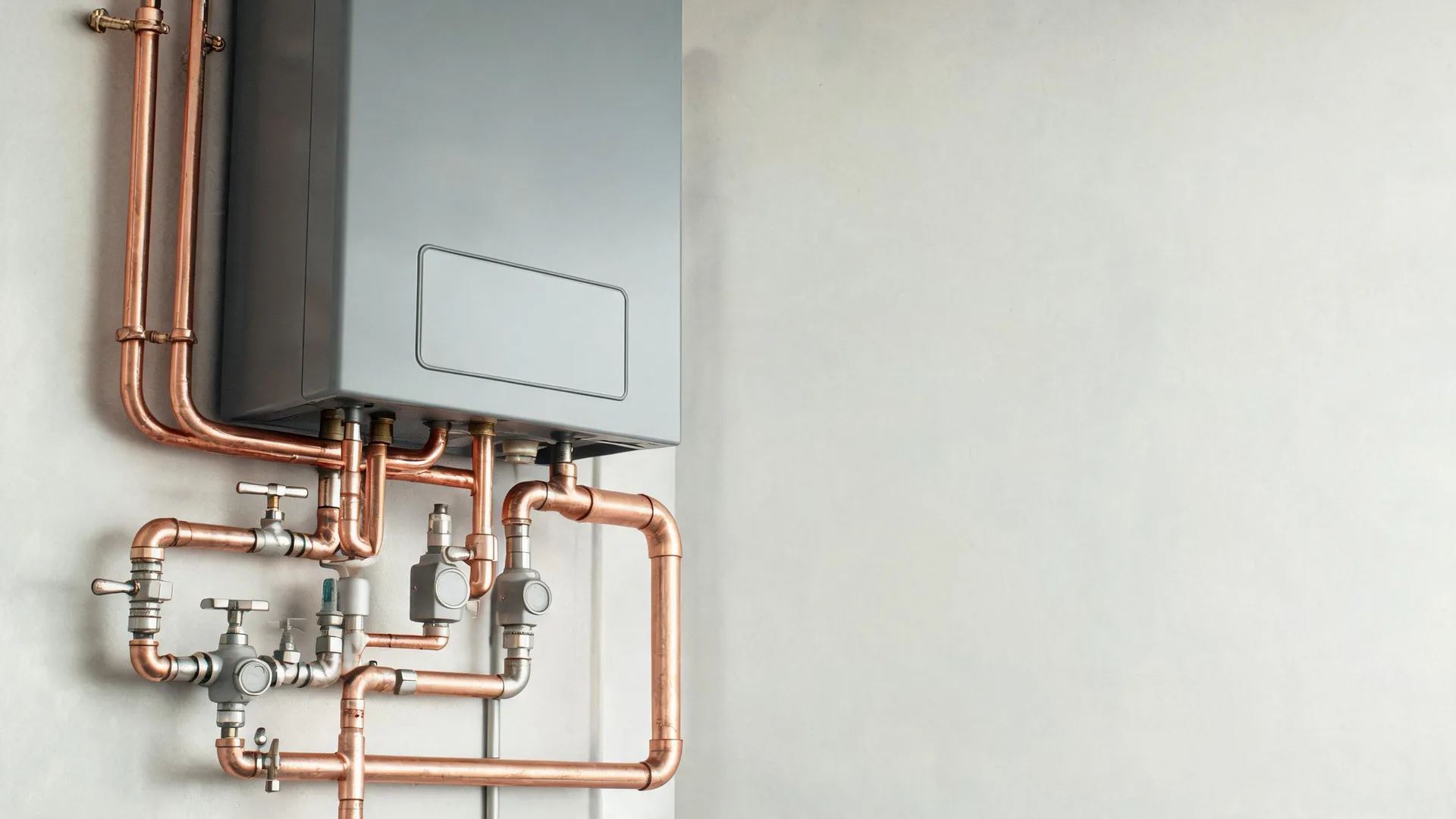
How the old piping gets reused

A boiler swap doesn't mean new pipes. If the contractor plans to reconnect to the existing supply and return lines, ask when those were last flushed. Sediment and old flux left in the lines will shorten the life of a new boiler just as fast as a bad install will.

A boiler that's too big for the house short cycles, firing on and off in quick bursts instead of settling into a long, steady burn. That wears out the igniter and the relay faster, and it never lets the system reach a steady efficiency. One that's too small runs flat out and still can't keep the place warm on the coldest nights. Sizing it right starts with a heat loss calculation, room by room, based on window area, insulation, and ceiling height, not just the square footage of the house. The old boiler's output is a starting point at best. Boilers installed decades ago were often oversized on purpose, a habit the trade has mostly corrected since, so matching the replacement to the old one's rating can repeat the same mistake. A contractor who skips the calculation and quotes a size off the square footage alone is guessing.

Installation day starts with the old boiler coming out, and that's not a quick pull. The water gets drained, the gas or oil line disconnected, the flue and venting checked to see if they still work with the new unit or need to change too. A boiler isn't a one-to-one swap the way a water heater can be. The new unit gets set, leveled, and connected to the existing supply and return lines, then the gas or oil line and the venting get hooked up and sealed. After that comes flushing the system to clear out whatever sediment or air is sitting in the pipes, then filling and bleeding it so there's no air trapped in the loop. Once it's pressurized, the contractor fires it up and watches the burn, checks for leaks at every joint, and lets it run long enough to see the temperature climb the way it should. A boiler that's installed right gets tested under real conditions before anyone calls it done, not just switched on and left.