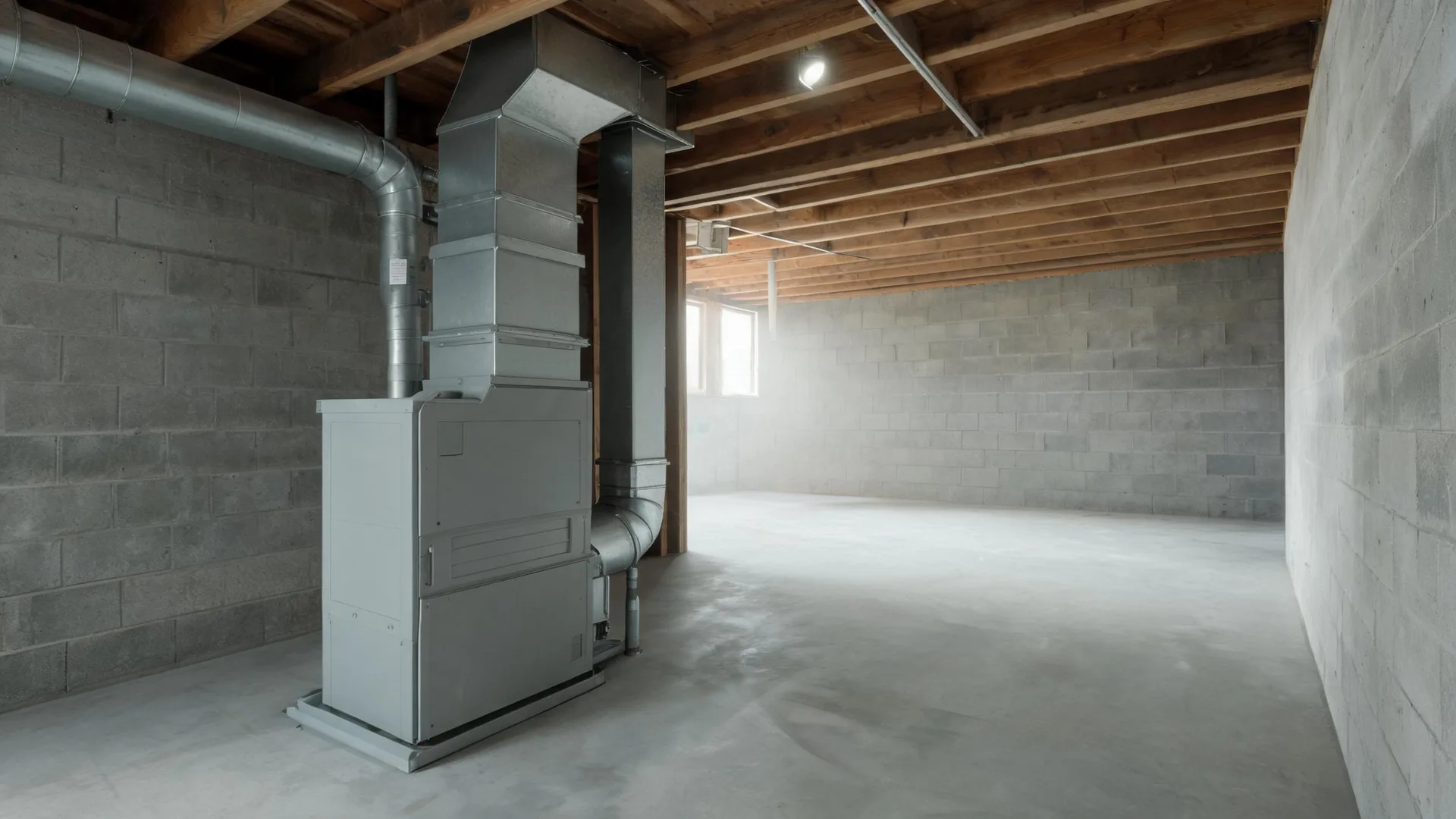
Oil runs expensive here
Fuel oil cost New Hampshire homes $24.23 per million Btu in 2024. If your furnace runs on oil, that cost lands on every gallon the tank takes.
Takes about a minute. No obligation.
Fuel oil cost New Hampshire homes $24.23 per million Btu in 2024. If your furnace runs on oil, that cost lands on every gallon the tank takes.
At that price per Btu, a furnace that wastes less fuel getting your house warm matters more in Keene than in a place where fuel costs less. Ask what efficiency rating a new furnace carries before you decide between models.
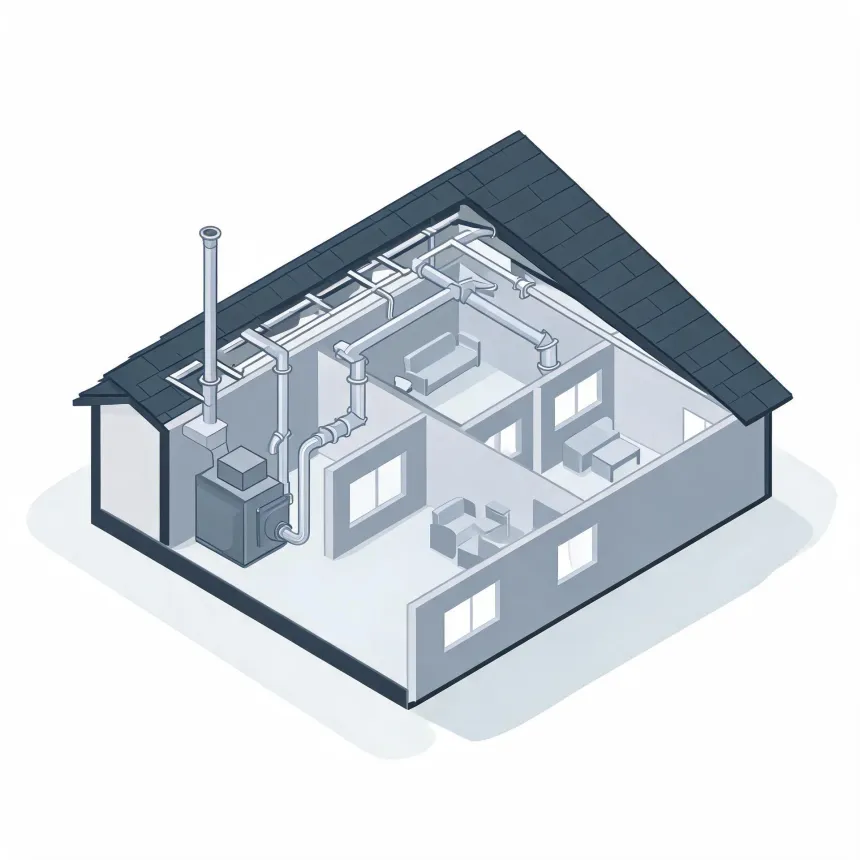
NOAA nClimDiv, 1991–2020 normals
Fuel oil heats 57.1% of homes in Cheshire County.
If your house runs on oil, staying with an oil furnace keeps you on the system most contractors around Keene install and service.



Furnace season in Keene starts in September and runs through May, nine months of the year. August is the month before it starts, and that's the window worth using. A furnace that quits once the heat is already needed gets replaced in a hurry, on whatever schedule a contractor has open. One that gets replaced in August goes in on your schedule, with time to compare models and ask about efficiency ratings before the choice gets made for you.
Power costs more here, so an efficient system pays you back on every bill.
Find a contractorNine months of heat a year means this furnace runs most of the time it could possibly be asked to. Overnight lows in Cheshire County average 15°F through December, January and February, so on the coldest nights it isn't cycling, it's working close to flat out. That kind of load adds up faster than it would somewhere that only needed heat for a few months. A furnace sized wrong for this house will show the strain sooner here than almost anywhere else.
A furnace too big for the house cycles on and off instead of running a steady, even heat, and that short cycling wears out the igniter and blower motor faster. One too small runs constantly and still can't keep up on the coldest days. Getting the size right takes a load calculation done on the house itself, not a guess based on the old unit. That calculation is part of what installation costs, and it's worth doing instead of skipping.
A new furnace pushes air through the existing ductwork, and narrow runs, leaky joints or poor routing make the furnace work harder to get heat where it needs to go, no matter how efficient the unit is rated. Sealing or modifying ducts adds to the job, but it keeps the new furnace from fighting a path it can't push air through well. Venting matters too. A higher-efficiency furnace needs venting the old chimney wasn't built for, and running new vent pipe is part of the installation, not an extra.
Taking out the old furnace is part of the job, not an afterthought you arrange later. A gas furnace that's reached the end of its life usually gets disconnected from the gas line and flue, then cut down and carried out in pieces if it won't fit through the doorway whole. An oil furnace comes out the same way, and if it's tied to a tank that's being replaced too, that's its own disposal, separate from the furnace itself. Whoever installs the new unit typically hauls the old one away as part of the installation, so it shouldn't be something you have to find a separate way to handle. Worth asking upfront whether removal and disposal are included in the quote, since some contractors itemize it separately.
Install day starts with a walkthrough, not a wrench. The contractor confirms where the new furnace sits, checks the gas line or oil line feeding it, and marks where new vent pipe needs to run if the unit is higher efficiency than the old one. Then the old furnace comes out, the area gets cleared, and the new one goes in and gets leveled on its base. Gas and electrical connections get made, ductwork gets tied in or adjusted, and the vent gets run and sealed. Once it's connected, the contractor fires it up, checks the gas pressure or oil pump, and watches the flame or heat exchanger through a full cycle before calling it done. The last step is usually walking you through the thermostat and the filter, since that's the one part of upkeep that falls to you going forward.