Oil runs expensive here
Fuel oil cost New Hampshire homes $24.23 per million Btu in 2024. If your furnace runs on oil, that price makes efficiency matter more than it would somewhere with cheaper fuel.
Takes about a minute. No obligation.
Fuel oil cost New Hampshire homes $24.23 per million Btu in 2024. If your furnace runs on oil, that price makes efficiency matter more than it would somewhere with cheaper fuel.
When you're looking at furnace options for Berlin, check the efficiency rating on each one. A higher rated furnace burns less fuel to put out the same heat, and with oil priced the way it is here, that difference shows up on every bill all winter.

NOAA nClimDiv, 1991–2020 normals
Fuel oil heats 68 percent of homes in Coos County, more than any other fuel by a wide margin.
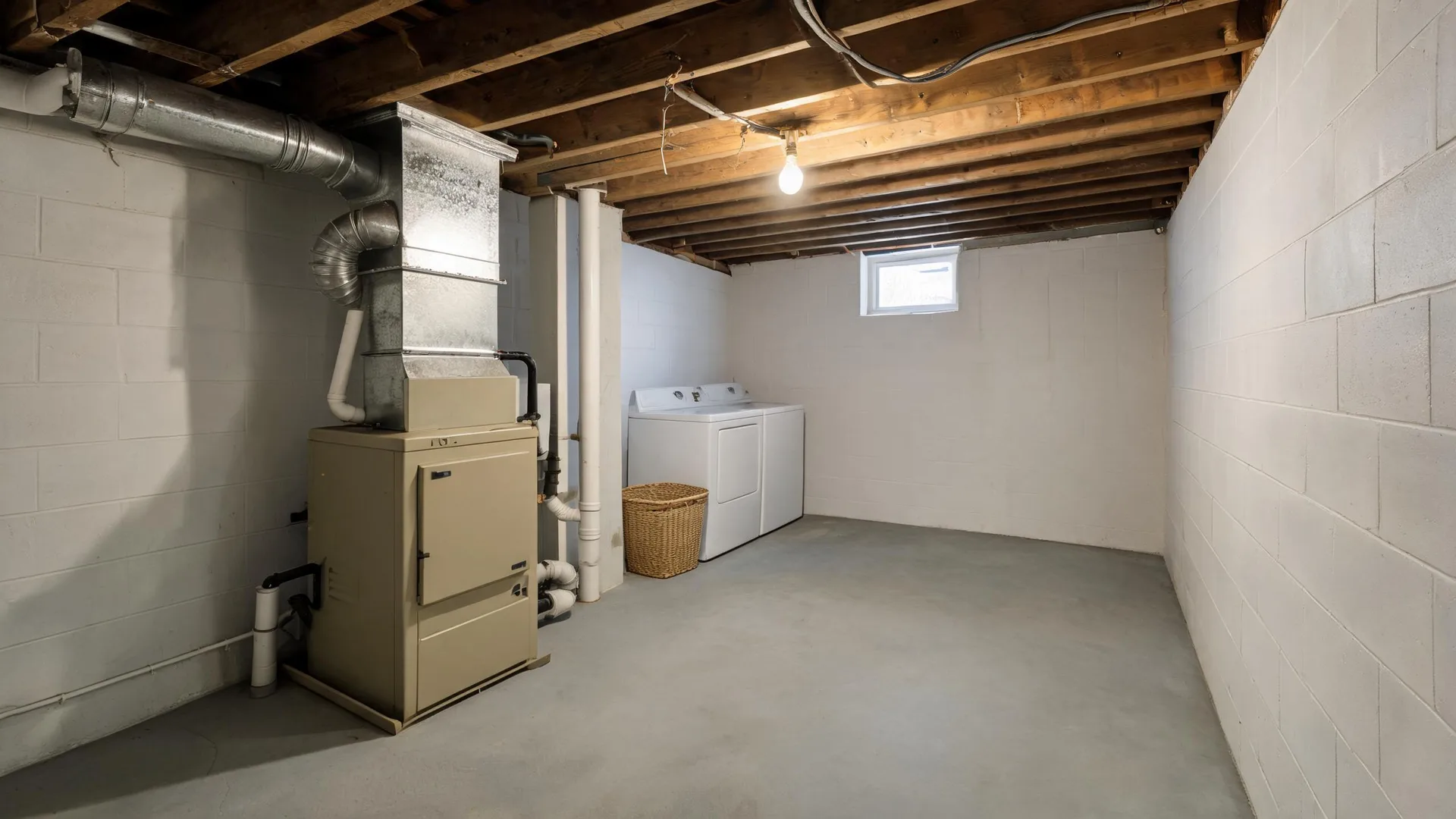
A new furnace here is most often an oil furnace replacing an older oil furnace, built the same way the house already runs.




Furnace here runs from September through June. That's most of the year with the system on, not just a stretch of deep winter. Overnight lows average 8°F in December, January and February, so on the coldest nights your furnace is working close to its hardest setting for hours at a stretch. A system that's undersized will run constantly and still fall behind on those nights. One that's sized right for the house will cycle the way it's supposed to and hold up longer doing it. Get the sizing right before you compare anything else.
Berlin sits in climate zone 6A, so any furnace going in has to clear that bar. Furnaces built now already meet it, with a jump to 95 percent AFUE required starting in 2028. A furnace that clears the efficiency bar for this zone may also qualify for a federal tax credit, worth looking into before you settle on a model.
Find a contractor
Sizing a furnace comes down to a heat loss calculation on the house itself, room by room, not a guess based on square footage. A contractor measures the walls, the windows, the ceiling height, how much insulation is in there, and works out how fast that specific house loses heat on the coldest night. That number tells you what size furnace to put in. Too big and the furnace blasts the house up to temperature fast, shuts off, and starts again a few minutes later. That short cycling wears out the igniter and the blower motor years before they should quit, and it leaves rooms far from the furnace cold while the room next to it overheats. Too small and the furnace runs flat out for hours and still can't catch up when the temperature drops, so you get cold rooms and a furnace that never rests. The right size runs in long, steady stretches, heats the house evenly, and the parts inside it last as long as they're built to.
Before the new unit goes in, the gas or oil line gets capped off and the old furnace gets disconnected from the ductwork and the flue. It gets removed from the house entirely rather than left in place. Scrap metal recyclers typically take the old furnace from there, since it's mostly steel.
An old furnace and a new one rarely vent the same way. A newer high efficiency furnace vents through PVC pipe instead of the metal flue the old one used, so that flue may end up capped or repurposed rather than reused. That's a question worth raising with the contractor before install day, not after.
The rating on the label is called AFUE, and it tells you what share of the fuel actually becomes heat in your house. The rest goes out the flue unburned. A furnace with a higher rating wastes less fuel doing the same job, and that gap doesn't show up on the furnace itself. It shows up on every oil delivery for as long as you own it. The rating also tells you how the furnace vents. A high efficiency furnace runs cool enough on the exhaust side to vent through PVC pipe instead of a metal flue, so the number on the label decides whether your old flue gets reused or capped off.
Install day starts with the old furnace still running. The fuel supply gets shut off first, then the unit comes loose from the ductwork, the vent, and the wiring. Once it's free it comes out, sometimes in pieces if it has to go through a doorway or down stairs. With the space open, the contractor builds new duct connections sized to fit the new furnace, since they're rarely the same dimensions as the old one. Venting goes in next, and this can take longer if the new furnace vents differently than the old one did. The gas or oil line gets hooked up and the wiring gets connected. Then comes startup. The contractor checks the gas pressure or oil nozzle, checks the temperature rise across the heat exchanger, and watches the flame or burner pattern settle in. A furnace installed right gets run through a full heating cycle before anyone calls the job done.