



What the cold actually does to a heat pump here
Winter in Coos County is the whole question. The heat runs ten months a year, September through June, and the overnight low averages 8°F in December, January and February. That's not a cold snap, that's the normal night. About 190 nights a year end up at or below freezing, more than half of the nights the heat is even running. About 35 of those drop to 0°F or below.
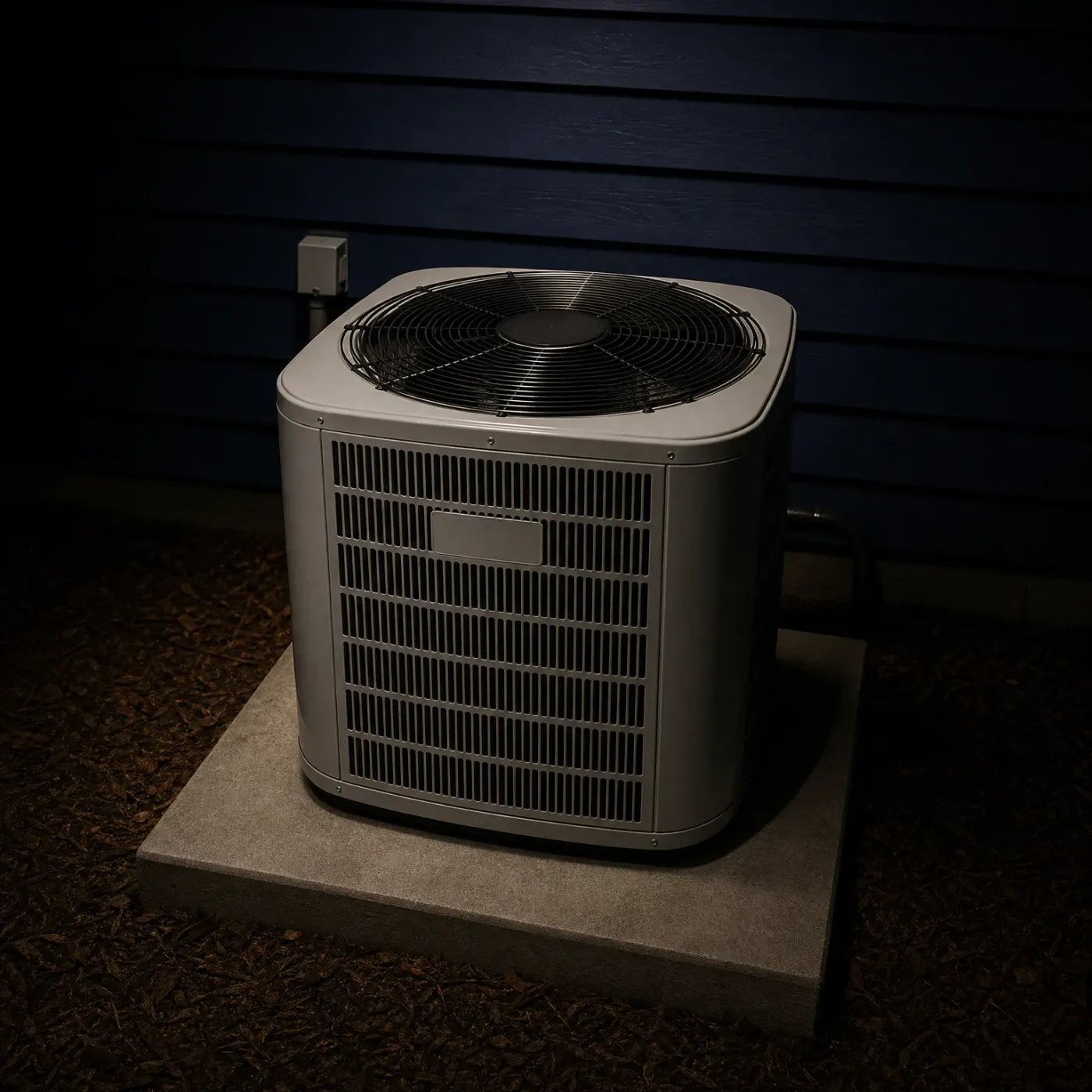
A standard heat pump starts losing ground well before it gets that cold. Below 40°F it puts out less heat than its rating says. Below about 35°F it usually needs backup heat to keep up. Here, the average winter night is 8°F, under both of those marks, and every single one of the 190 nights at or below freezing is too. This isn't a machine that struggles on the worst night of the year. It's a machine working under its rating most of the winter.
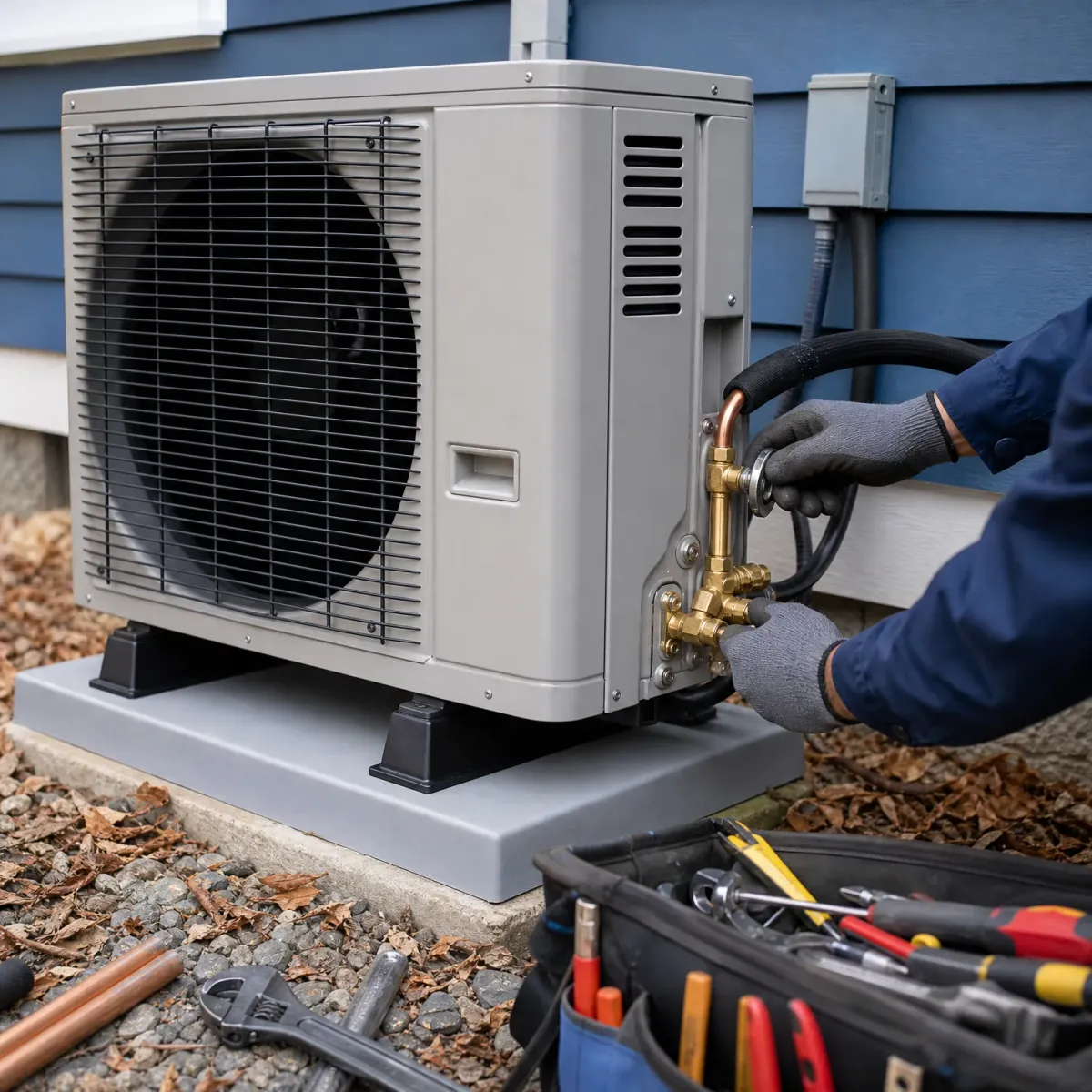
A cold climate model changes that math. To earn the ENERGY STAR Cold Climate label, a heat pump has to still make 1.75 units of heat per unit of electricity at 5°F and hold onto 70 percent of its 47°F capacity at that temperature, checked by outside testing. In a two-winter field test of prototype cold-climate heat pumps in real homes, backup heat only covered a small share of the load between 0°F and 35°F, and the homes rarely ran on backup alone even above 0°F. If a heat pump goes into this county, that's the kind it has to be, not the federal-minimum unit the running-cost numbers above are built on.