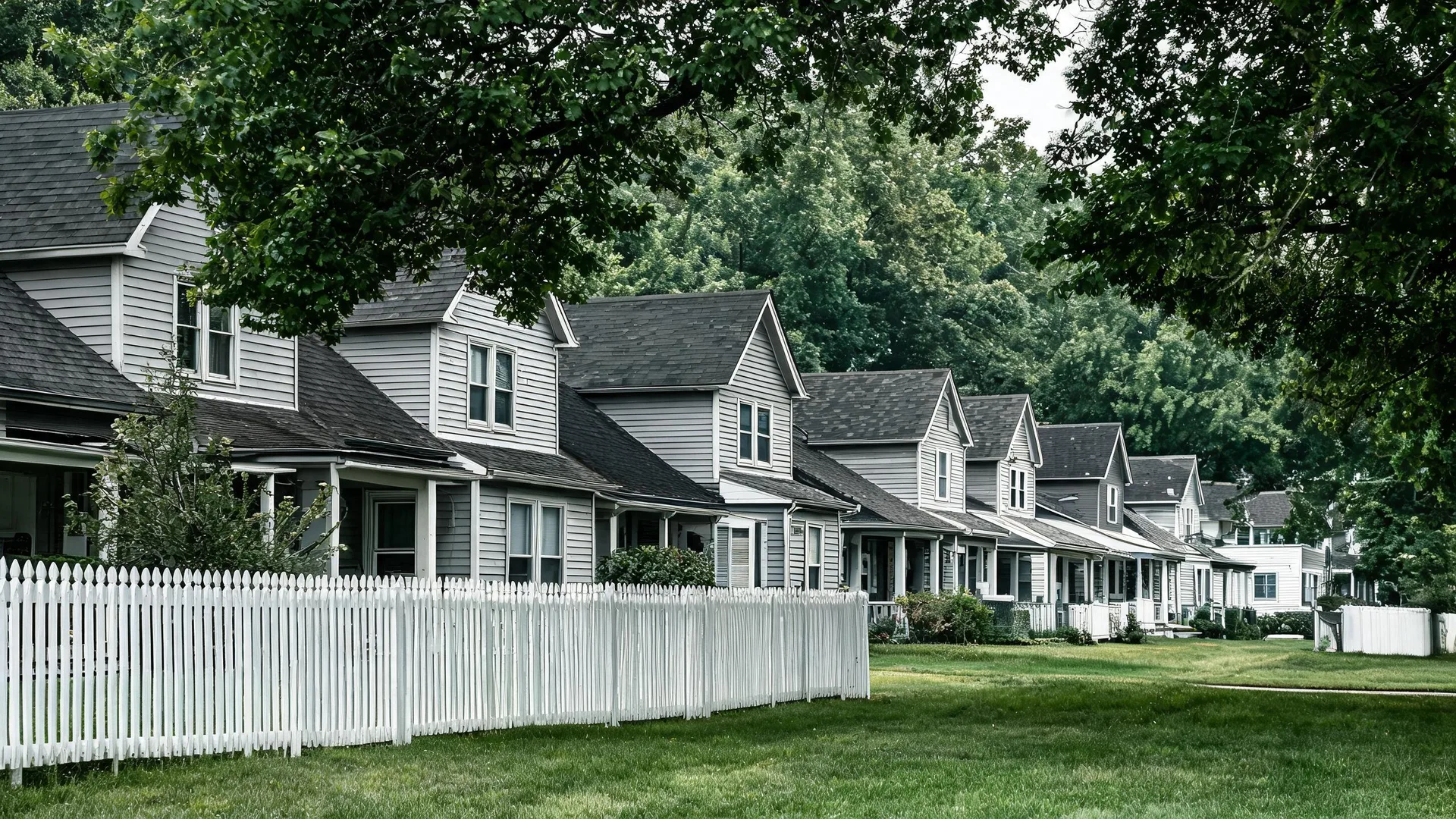




A row of similar gray clapboard houses with gabled roofs behind a white picket fence, with mown grass in front and dense green trees behind.

Furnace Installation in Claremont, NH

Tell us about the job

Takes about a minute. No obligation.

New system or replacementFurnace or heatingSullivan County, NH
Step 1 of 2

What ZIP code is the job in?

Fuel oil ran $24.23 per million Btu in New Hampshire last year. If your furnace runs on oil, that price is why the efficiency rating on a new unit matters more here than somewhere with cheap natural gas. An older oil furnace can lose a lot of heat straight up the flue. A new one burns less oil for the same heat in the house. Ask the contractor to walk you through the AFUE rating on any furnace they quote, and what it means for an oil bill in a Claremont winter.

9 months
September through May, your furnace is on duty
13°F
the average winter night it heats against
80% AFUE
the federal minimum any new unit must meet
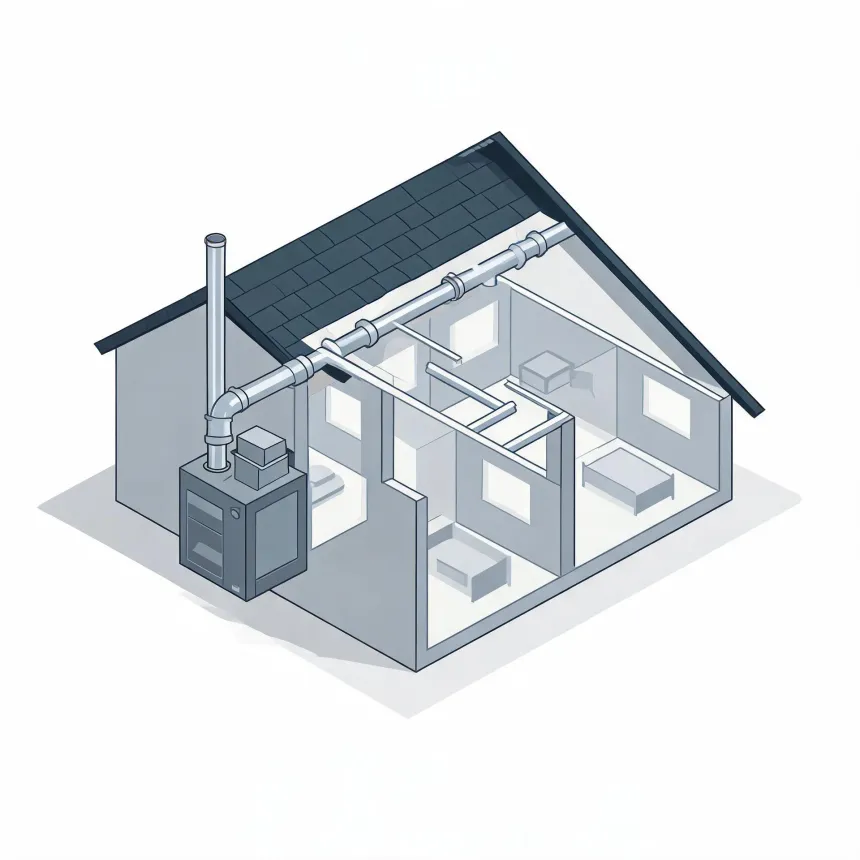
Isometric cutaway illustration of a small house showing interior rooms, ductwork running through the attic, and a furnace unit with a vertical flue pipe on the exterior wall.
Your furnace works hardest from November through March.

NOAA nClimDiv, 1991–2020 normals

Fuel oil or kerosene heats close to half the homes in Sullivan County.

A furnace built for oil is the straightforward swap when that's what the old one burned.

Half these homes are old, not unusual. A standard furnace fits.

Half the homes here were built by 1974
Heat runs September through May
Winter nights average 13°F

Claremont is in climate zone 6A, cold with winter lasting from fall well into spring. That doesn't raise the efficiency floor on a gas furnace. Any non-weatherized gas furnace built today still only has to hit 80.0 percent AFUE, the same minimum as the rest of the country. That changes in a few years, when the floor jumps to 95.0 percent, but a furnace built before then can still be sold at the lower number. So the AFUE rating on whatever you're quoted now is worth checking rather than assuming.

Have the new furnace in before September

Heat starts running in September here and keeps going through May. Replace an oil furnace in August and it's broken in before the first cold night asks anything of it.

Find a contractor
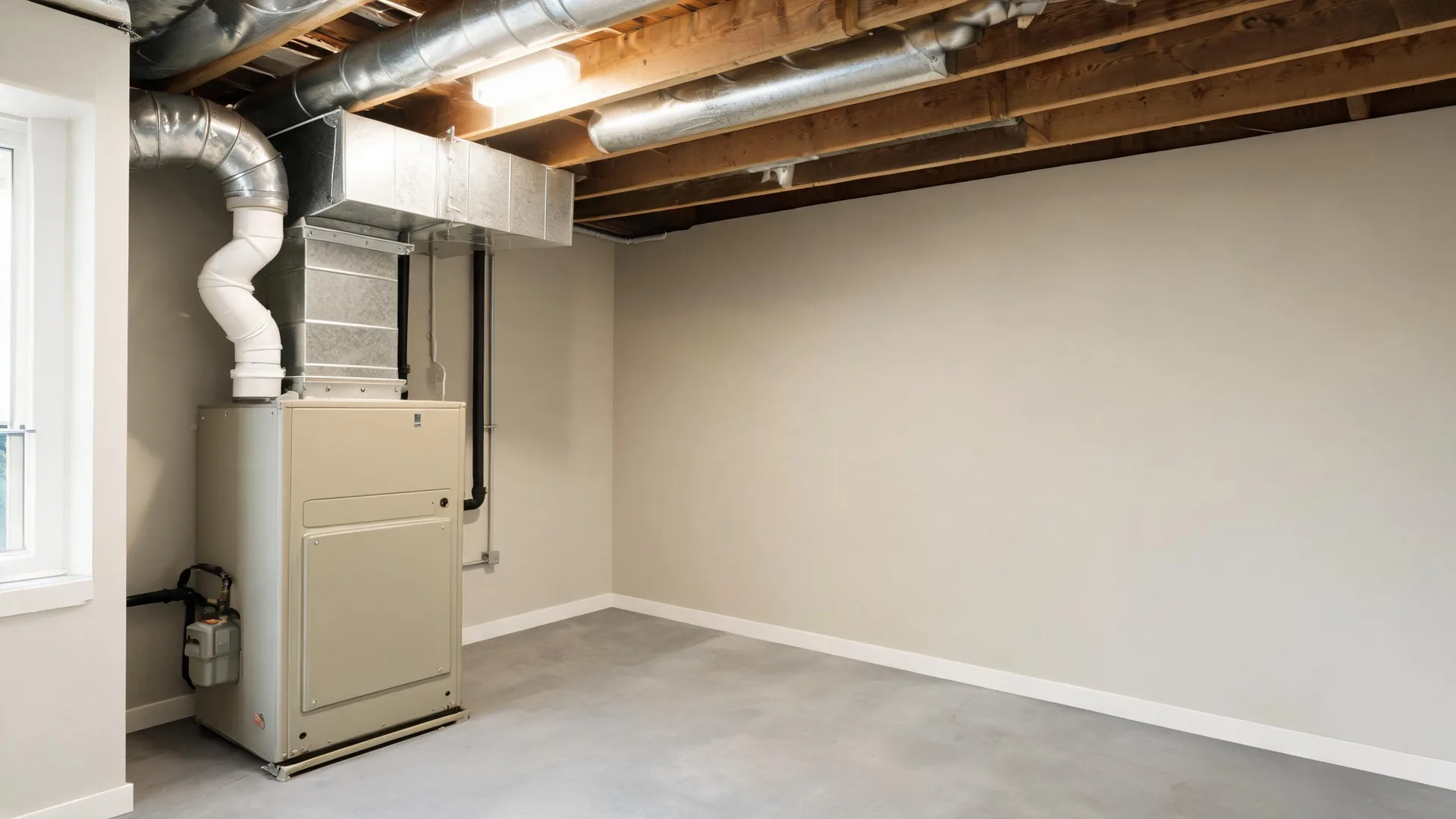
A gas furnace with attached ductwork, gas piping, and condensate lines installed in a concrete-block basement.

Nine months a year, and the coldest nights ask the most

Furnaces here run about nine months a year, September through May. That's most of the year spent on, not standby. Overnight lows average 13°F across December, January and February, so those months it's running close to flat out, not cycling lightly to hold a room steady. A furnace sized too small for the house will run even harder trying to keep up on those nights, and a furnace sized too big will short cycle, turning on and off more than it should. Either way the parts most likely to wear, the igniter, the blower motor, the heat exchanger, see that strain sooner. Get the sizing right at installation and ask what the contractor based it on.

The right size comes from a heat loss calculation, not the old furnace's rating

A contractor works it out room by room, based on square footage, window area, insulation and how the walls and ceilings are built. Matching the new furnace to whatever the old one was rated at skips that work. The old one might have been wrong from the start, or the house might have gotten new windows or insulation since it went in.
Too small and too big both wear the same parts down

A furnace too small for the house runs long on the coldest nights and never really catches up to the set temperature. One too large heats the space fast, shuts off, then starts again soon after. That short cycling puts more wear on the igniter and the blower motor than steady runtime does.

When you're comparing quotes, ask what each contractor is proposing to match a furnace to, not just what furnace they're proposing. Companies can land on the same size unit for different reasons, and one of those reasons is a real heat loss calculation while the other is a guess based on the old equipment. Ask what efficiency rating the furnace carries and whether that's the minimum allowed or something higher. Ask how the ductwork was checked, since a furnace moving the right amount of heat through undersized or leaky ducts still won't heat the house evenly. Ask what the warranty covers on the heat exchanger specifically, since that's the part most expensive to replace if it fails early. A contractor who answers without hesitating has done this enough times to know why it matters.

Installation day starts with the old furnace coming out, and that's often slower than putting the new one in. The ductwork, gas line and venting all have to connect to equipment that may be a different size and shape than what's been there for years. If the furnace is moving from a different spot or the venting needs to change to match the new unit, expect more cutting and fitting than a straight swap. Once the new furnace is set, the contractor checks the gas pressure, tests the ignition, and runs it through a full cycle to see that it fires, heats and shuts off the way it should. The last part is balancing airflow at the registers so one room isn't starved while another runs hot. A contractor who rushes that last step leaves you to find the uneven rooms yourself, months later.