


Heat pump vs furnace in Sullivan County, New Hampshire

Get My Quote

Heat pump or furnace, one form

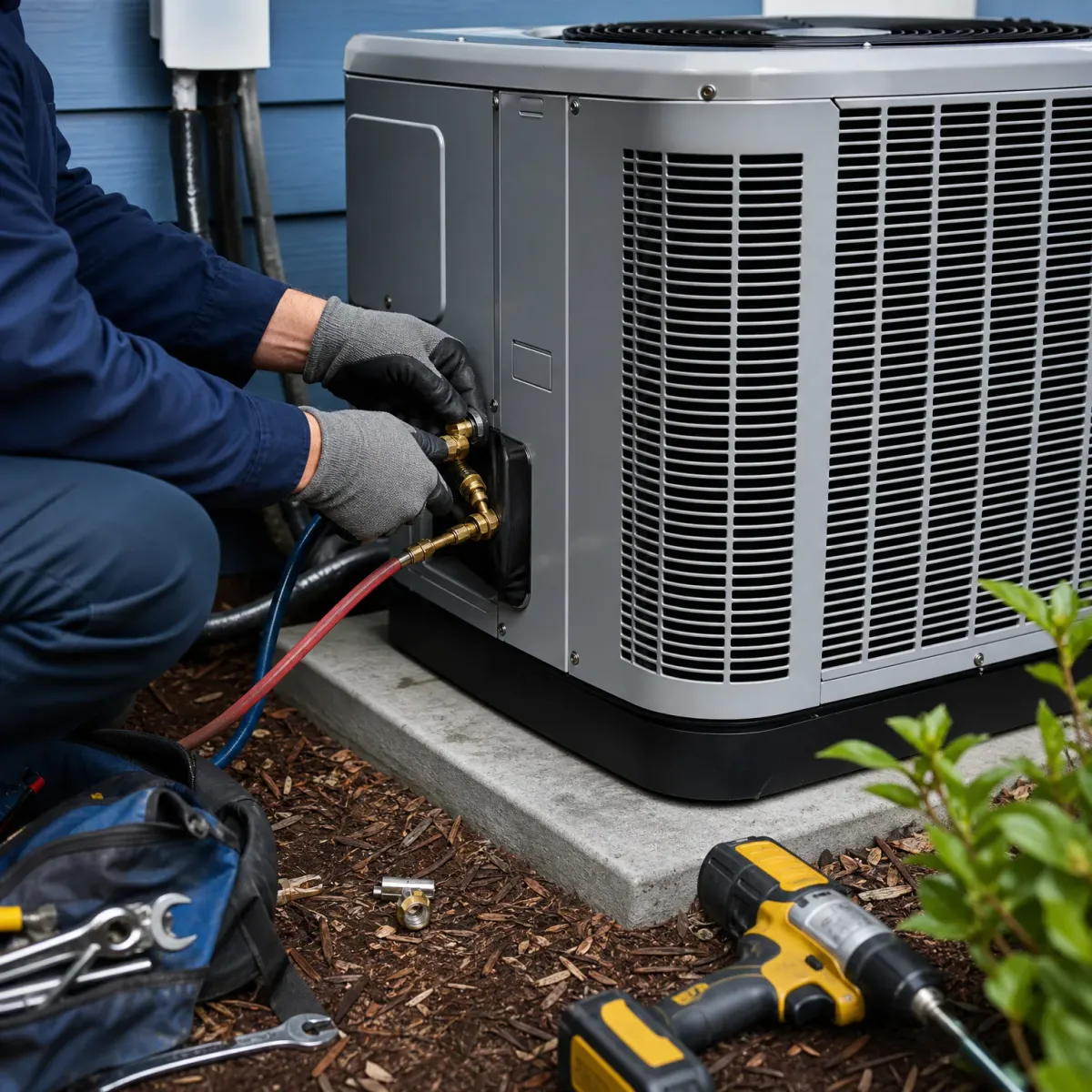
A person in dark clothing and gray gloves crouches beside an outdoor air conditioning condenser unit on a concrete pad, attaching blue and red gauge hoses to its service valves, with a tool bag, wrenches and a yellow cordless drill on the mulch in the foreground.

Tell us about the job

Takes about a minute. No obligation.

New system or replacementSullivan County, NH
Step 1 of 3

What kind of equipment?

Which costs less to run in Sullivan County?

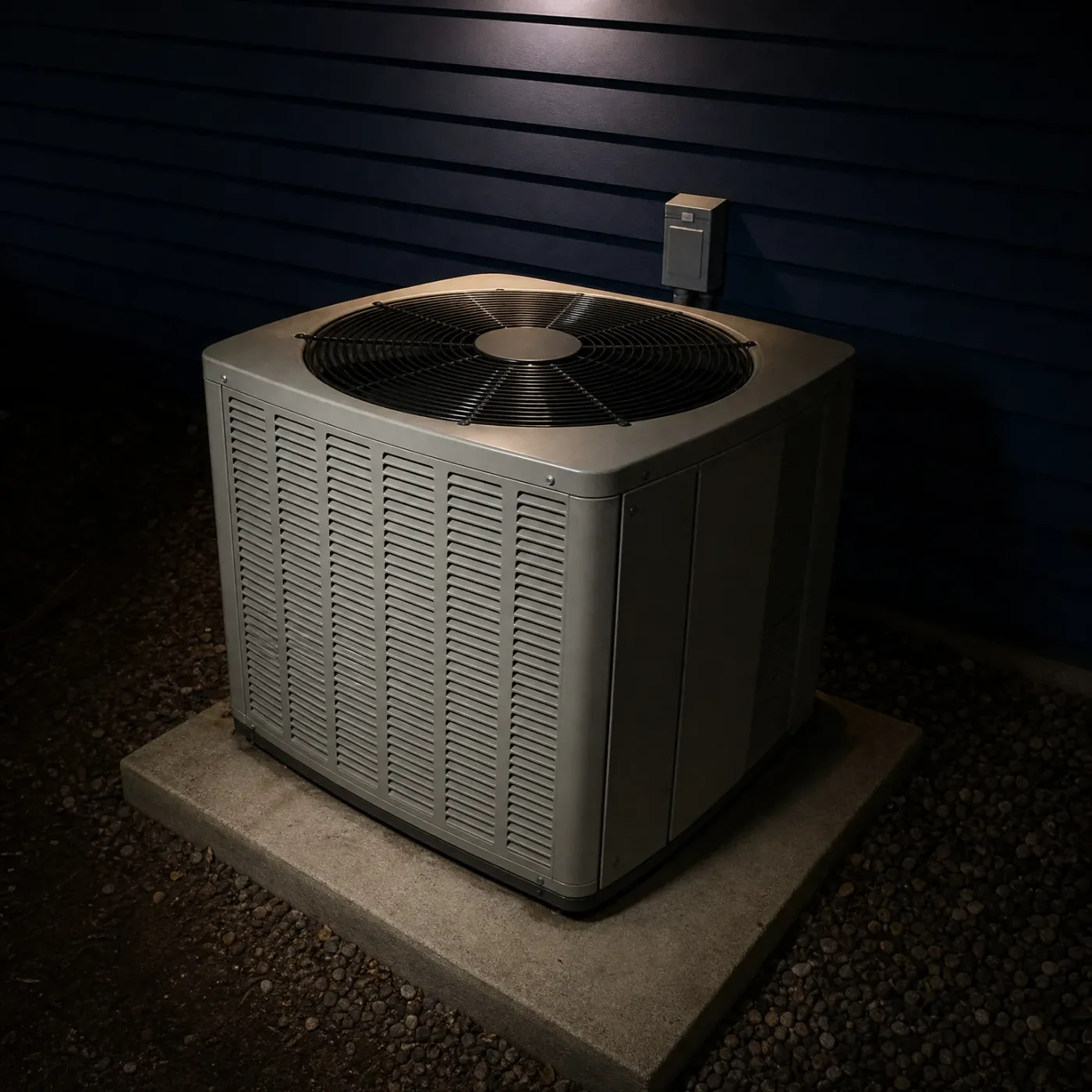
An outdoor air conditioning condenser unit with a top-mounted fan grille sits on a concrete pad surrounded by gravel, beside a dark horizontal-lap sided wall with a small electrical disconnect box.

Heat pump

To heat your home here$3.12per 100,000 Btu

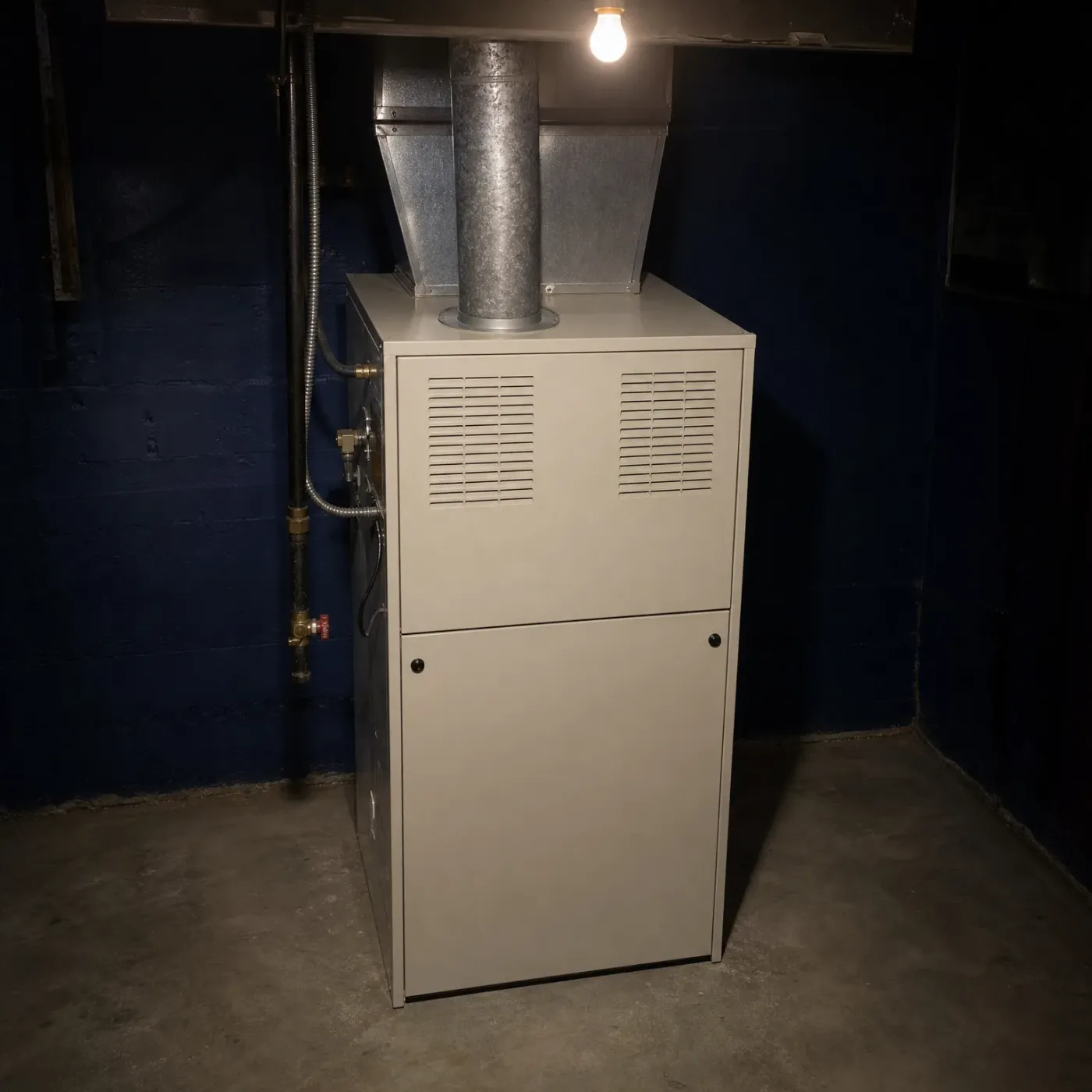
A beige furnace with louvered upper panel and metal flue duct stands against a dark blue painted block wall in a basement, with pipes at left and a bare light bulb overhead.

Furnace

To heat your home here$2.26per 100,000 Btu

At New Hampshire's gas and electricity prices, a gas furnace makes the same heat as a heat pump for at least 27% less.

Btu stands for British thermal unit, the standard measure of heat energy.

Where does a heat pump shine?

  • Steady, even comfort

    Instead of short bursts of heat, it keeps a gentle, steady output going. The house stays at one comfortable temperature.

    A dimly lit living room at night with a dark blue armchair holding an open book and knit throw, a lit table lamp, a stone fireplace with a log basket, and a yellow Labrador sleeping on a patterned rug.
  • Heats and cools in one system

    A heat pump runs the same way all year. It pulls heat into the house in winter and pushes it out in summer.

    A living room with a light gray sofa holding navy and pale blue pillows and a navy fringed throw, a rustic wood coffee table with a woven tray and hydrangeas in a white vase, a navy built-in bookshelf at left, and large windows showing green trees and flowering shrubs.
  • No gas line, nothing burning in the house

    There's no gas line to the unit and no flame anywhere in it. Carbon monoxide isn't part of the picture.

    Kitchen with light wood cabinets, white marble-look countertops and backsplash, a navy blue island with wooden stools, an induction cooktop with a steel kettle, two blue pendant lights, stainless refrigerator and black wall oven.

Where does a furnace shine?

  • Strong, steady heat in hard cold

    Winter nights here average 13°F through December, January and February. A furnace burns gas or oil to make heat, so it holds steady output no matter how cold it gets outside.

    A person in a dark coat carrying a bag walks up a shoveled snow path toward a blue wooden house with snow-covered roof and lit windows at dusk.
  • Fast, strong heat on demand

    Turn the heat up and the furnace answers right away. There's no long wait for the house to catch up.

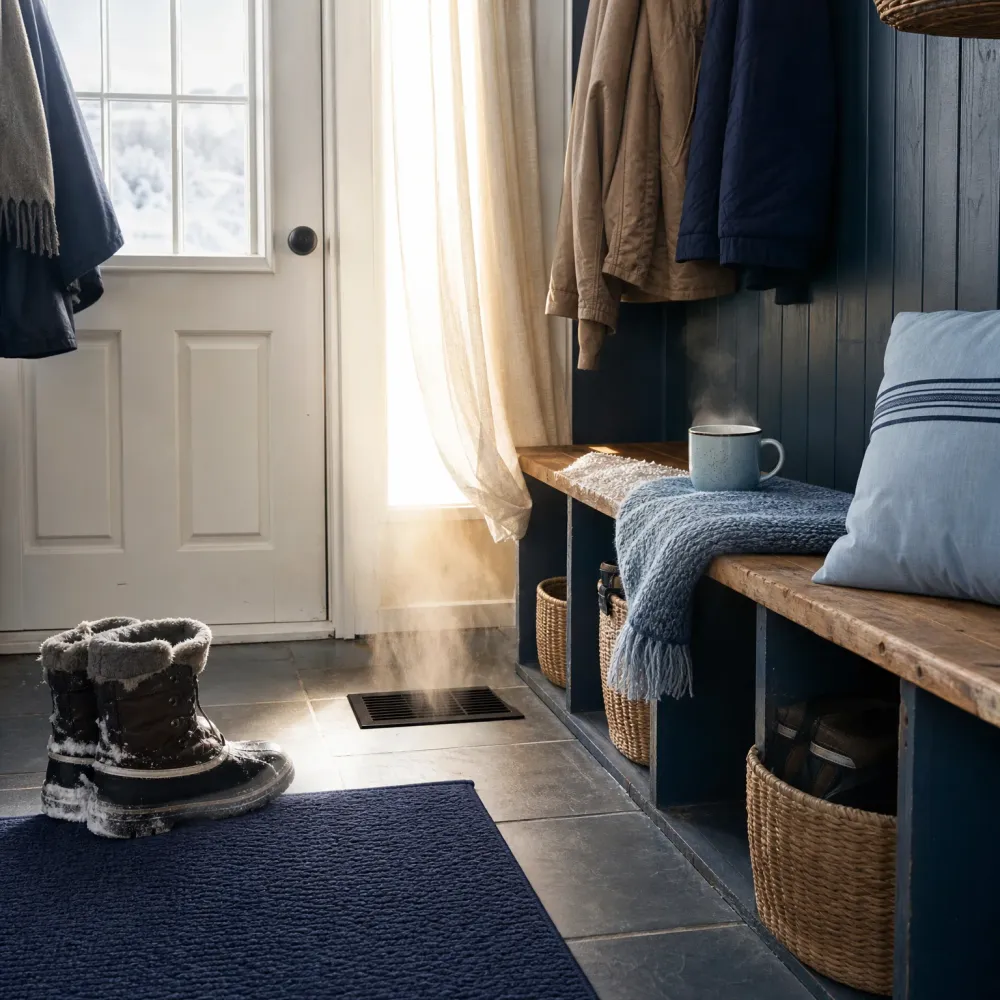
    A mudroom with a wooden bench over dark blue paneling, woven baskets underneath, a knit blanket and steaming mug, coats on hooks, snow-dusted winter boots on a stone floor, a floor vent emitting visible steam, and a white door with a window showing snow outside.
  • Proven, simple, easy to get serviced

    Gas furnaces have heated homes for generations. Almost every HVAC tech knows them inside and out.

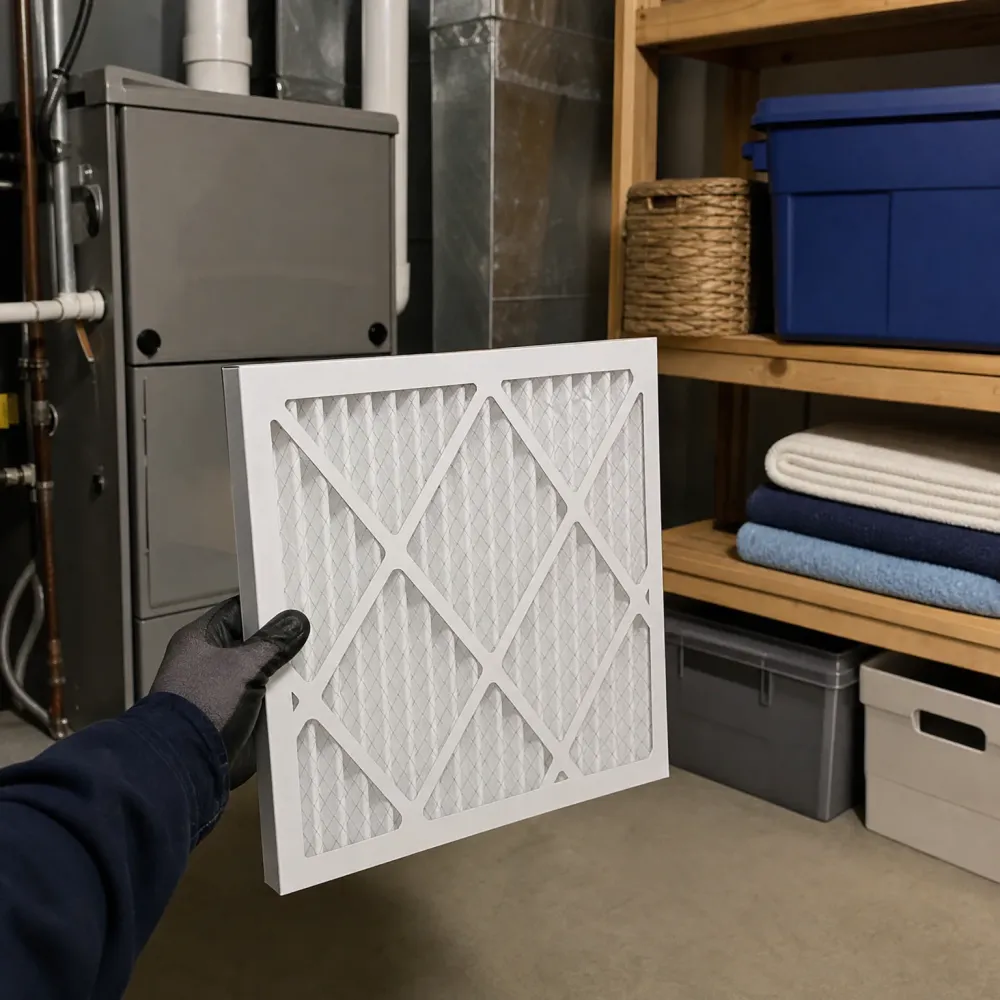
    A gloved hand holds a white pleated air filter in front of a basement furnace, with wooden shelving holding bins, baskets, and folded towels on the right.

Cold is the whole question here

Thirteen degrees. That is the average overnight low across December, January and February in Sullivan County, and it sits below both marks that matter for a heat pump. A standard heat pump's heat output falls short of its rating once it is below 40°F outside. Below about 35°F, it often needs backup heat to make up the difference. Thirteen degrees is under both lines, and so is almost every winter night here. Of the roughly 275 nights a year the heat runs, about 175 drop to freezing or below. Twenty of those reach 0°F or colder.

This is not a county where cold snaps are rare. Freezing nights are over half the heating season here, not a stretch at the edge of it. A standard heat pump will keep working through that, but it will lean on backup heat to do it, and its output will keep shrinking as the temperature drops toward the teens and below.

That does not rule out a heat pump. ENERGY STAR's Cold Climate designation exists for exactly this case: to earn it, a heat pump has to make at least 1.75 units of heat per unit of electricity at 5°F, and hold onto 70 percent of its 47°F capacity at that same temperature, verified by outside testing. A two-winter field test of prototype cold-climate heat pumps in occupied homes found backup heat covering only a small share of the heat made between 0°F and 35°F, and the units ran on backup heat alone only rarely, even above 0°F. So the standard version of this machine is a poor fit for a Sullivan County winter, but the cold-climate version is built for it.
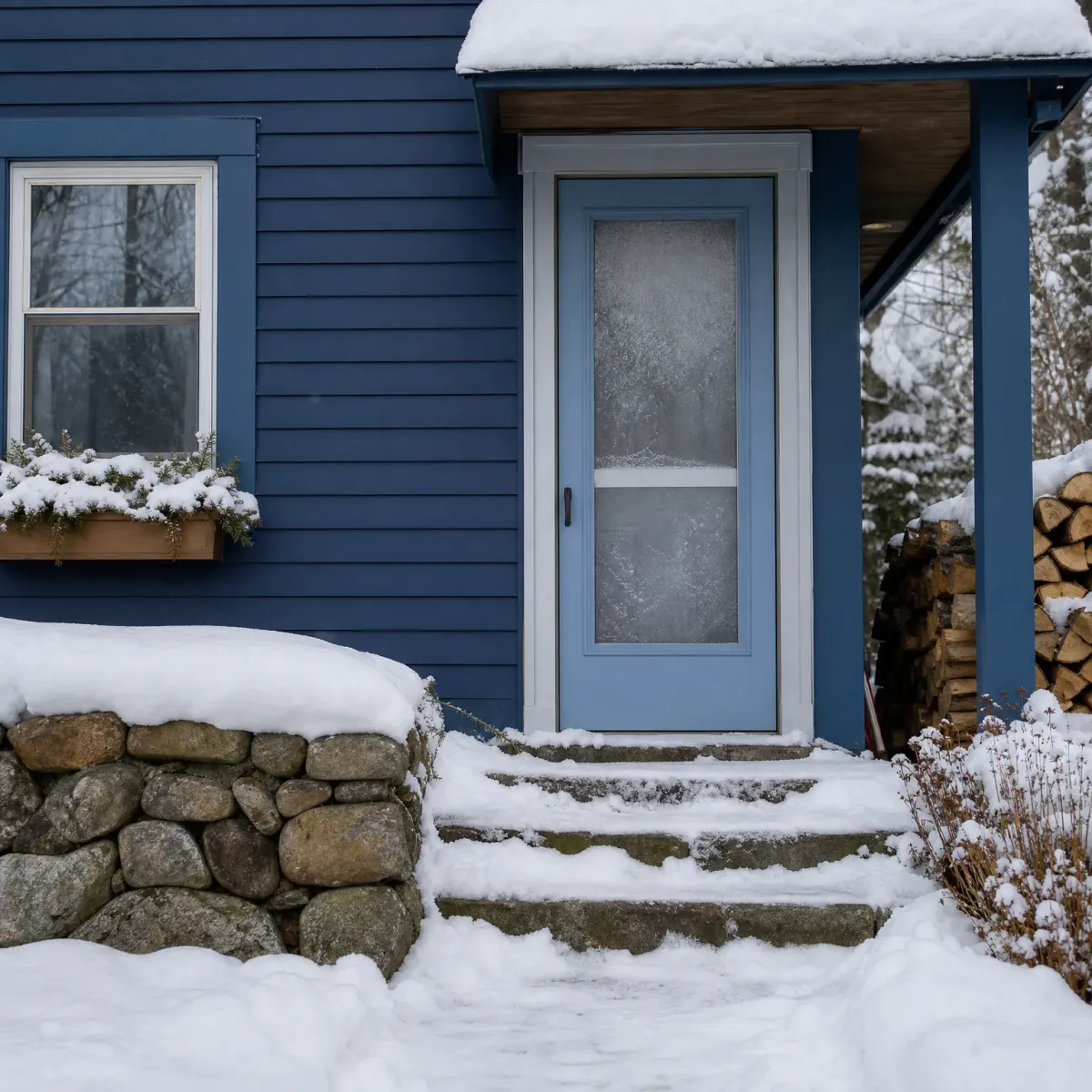
Snow-covered stone steps lead to a blue door on a dark blue clapboard house, with a snowy window box, stone retaining wall, and stacked firewood nearby.

What each one costs to run, and what that means for your choice

A gas furnace is the cheapest of the three to run here: $2.26 to make 100,000 Btu of heat, against $2.92 for an oil furnace and $3.12 for a heat pump, all figured at New Hampshire's average fuel prices. If a gas line already runs to your house, that is the case for keeping it, and it is also the case for replacing an aging furnace with another one rather than switching to a heat pump.

But gas is not the common fuel in this county. Only 5.4 percent of homes here heat with electricity. Fuel oil heats about half of them, 49.6 percent, and propane heats another 28 percent. If your house is one of those, the comparison that matters is not gas against electric, it is what you already have against a heat pump. Oil comes in at $2.92 per 100,000 Btu, close to the heat pump's $3.12, close enough that the choice turns less on running cost and more on what you want day to day: a cold climate heat pump also cools your house come July, the one month a year this county needs it, and it does that without a second system. A furnace, oil or gas, only heats. For the other three months of the year it has nothing to do.

So the honest split is this. If you are deciding purely on what it costs to make heat, a furnace wins, gas most of all. If you want one system that heats a cold climate house through a 13 degree average January night and also cools it in July, that is a cold climate heat pump, not the standard version, because the standard one falls behind long before the thermometer gets anywhere near this county's coldest nights.

Sources: NOAA nClimDiv · NOAA 1991–2020 seasonal normals · PNNL Building America guide · PNNL-37127 field study · ENERGY STAR product criteria · Census ACS 2020–2024 · EIA SEDS 2024 · 10 CFR 430.32

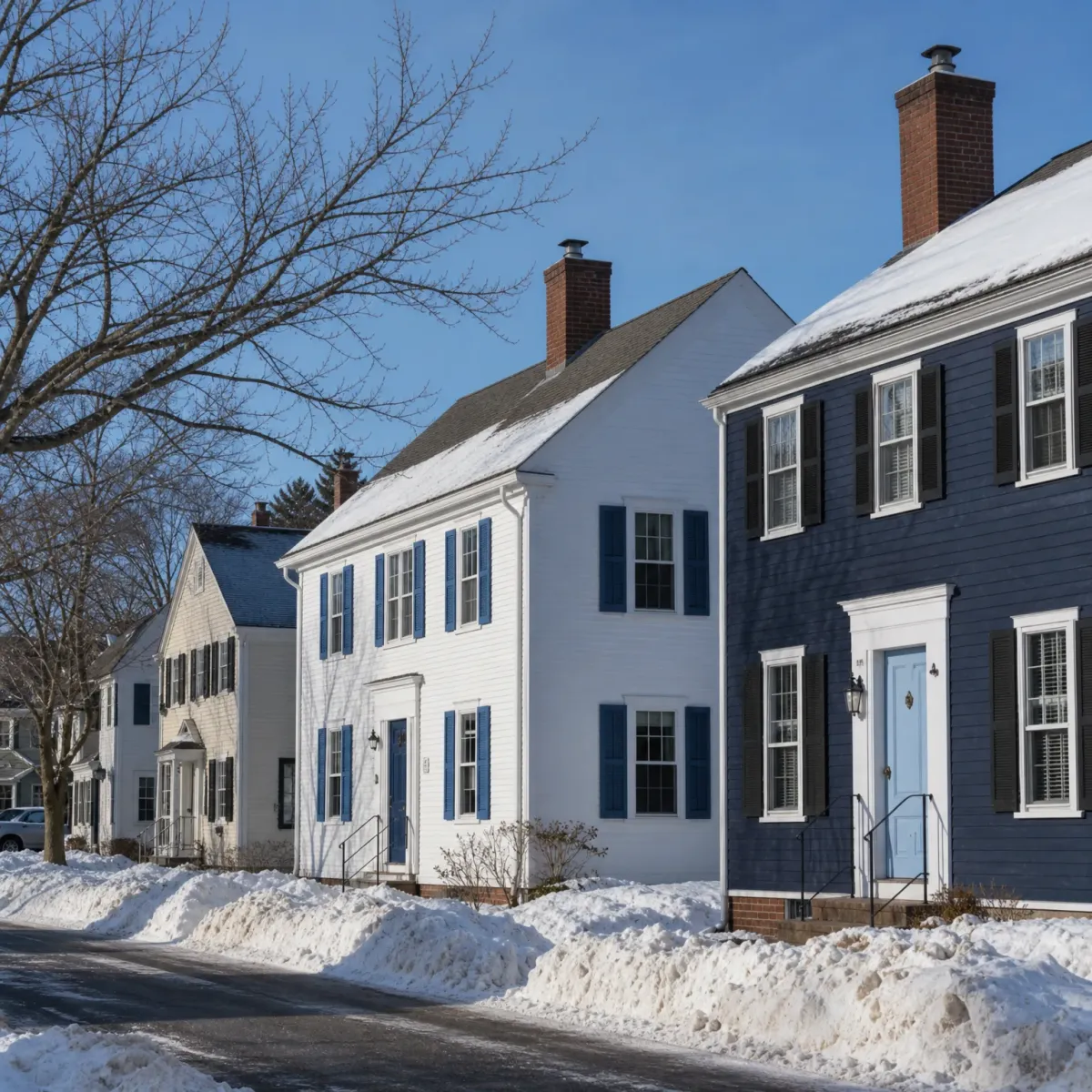
A row of clapboard houses with shutters, one white and one dark blue, line a plowed street with snowbanks under a clear blue sky, beside a bare deciduous tree.

Common questions about heat pumps and furnaces

  • Can a heat pump heat a house through a New Hampshire winter?

    Yes, but what kind of heat pump matters. A standard heat pump loses capacity below 40°F and often needs backup heat below about 35°F, and this county sees 13°F on an average winter night. A cold climate heat pump is tested to hold most of its capacity at 5°F, and in field testing, backup heat covered only a small share of the load between 0°F and 35°F, with running on backup alone rare even above 0°F. About 20 nights a year here drop to 0°F or below.

  • Do I need backup heat with a heat pump here?

    Most likely, yes. A standard heat pump's heating efficiency drops once it's below about 35°F outside, and its output falls short of the rated capacity below 40°F. The average overnight low here is 13°F, and about 175 nights a year sit at or below freezing, so a standard heat pump spends most of the heating season below both marks. A cold climate model holds more of its capacity down to 5°F, which narrows how much backup it needs but doesn't rule it out on the coldest nights here.

  • What if my house heats with oil or propane?

    Fuel oil and propane are not part of this comparison. About half the homes here heat with oil and about one in four with propane, and the figures above only weigh a heat pump against a gas furnace. Run the same method on oil and it comes out at $2.92 per 100,000 Btu, cheaper than the heat pump's $3.12 but still behind gas furnace's $2.26.

  • Is a heat pump cheaper to run than a furnace in Sullivan County?

    No. A gas furnace makes 100,000 Btu of heat here for $2.26, a heat pump for $3.12, so the furnace runs cheaper at New Hampshire's average prices. That heat pump figure assumes it's built to the federal minimum and doesn't add anything for backup heat on the colder nights here, so running a standard heat pump through this climate would likely cost more than the figure shows.