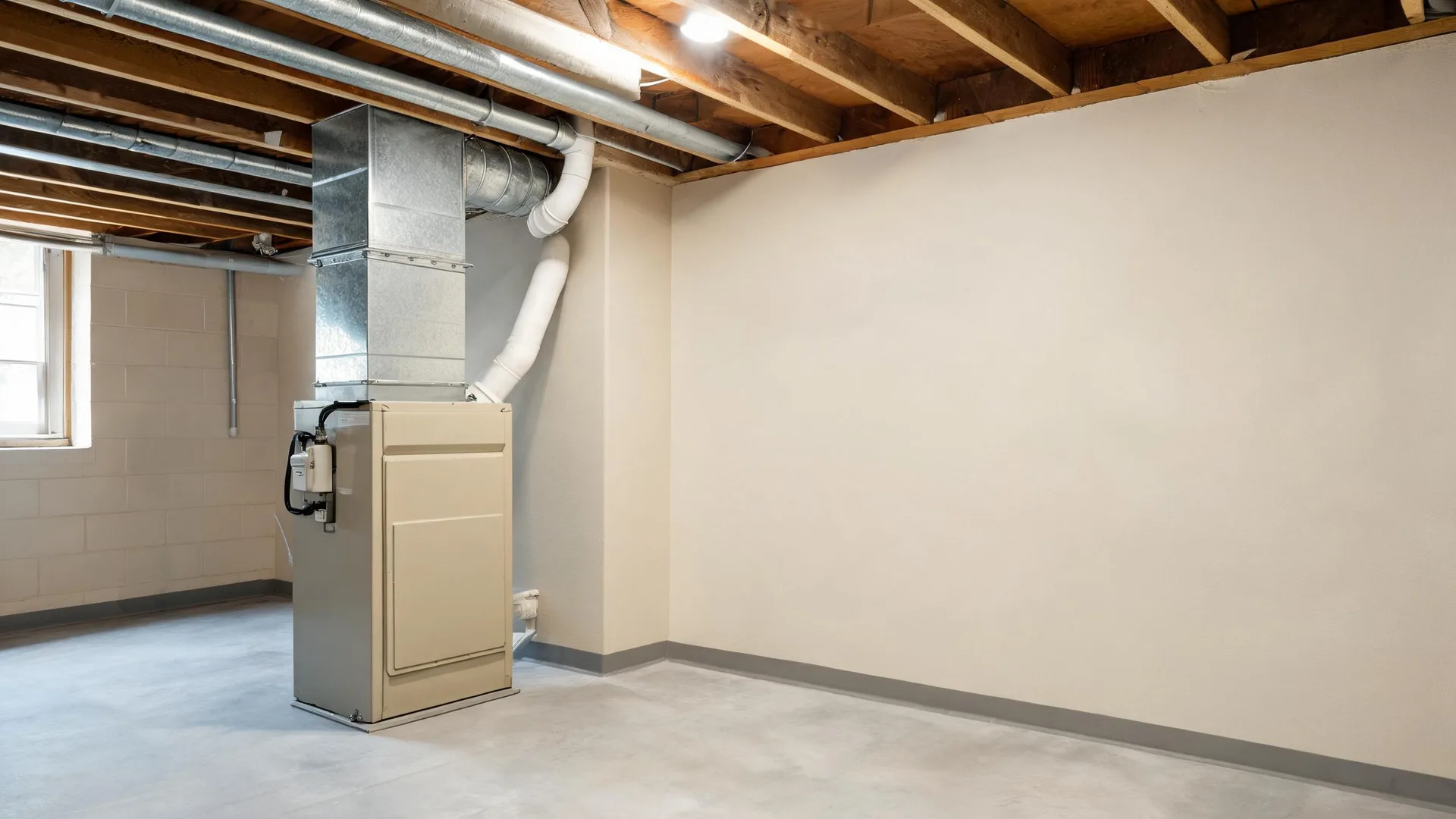
Oil costs more to burn here
Fuel oil ran New Hampshire homes $24.23 per million Btu in 2024. A furnace that wastes heat through a cracked heat exchanger or short cycling burns through that cost faster than one running clean.
Takes about a minute. No obligation.
Fuel oil ran New Hampshire homes $24.23 per million Btu in 2024. A furnace that wastes heat through a cracked heat exchanger or short cycling burns through that cost faster than one running clean.
When oil runs this high, the AFUE rating on a new furnace matters more than the price tag on the install. Ask what rating you're getting and compare it against what's currently installed before you decide.
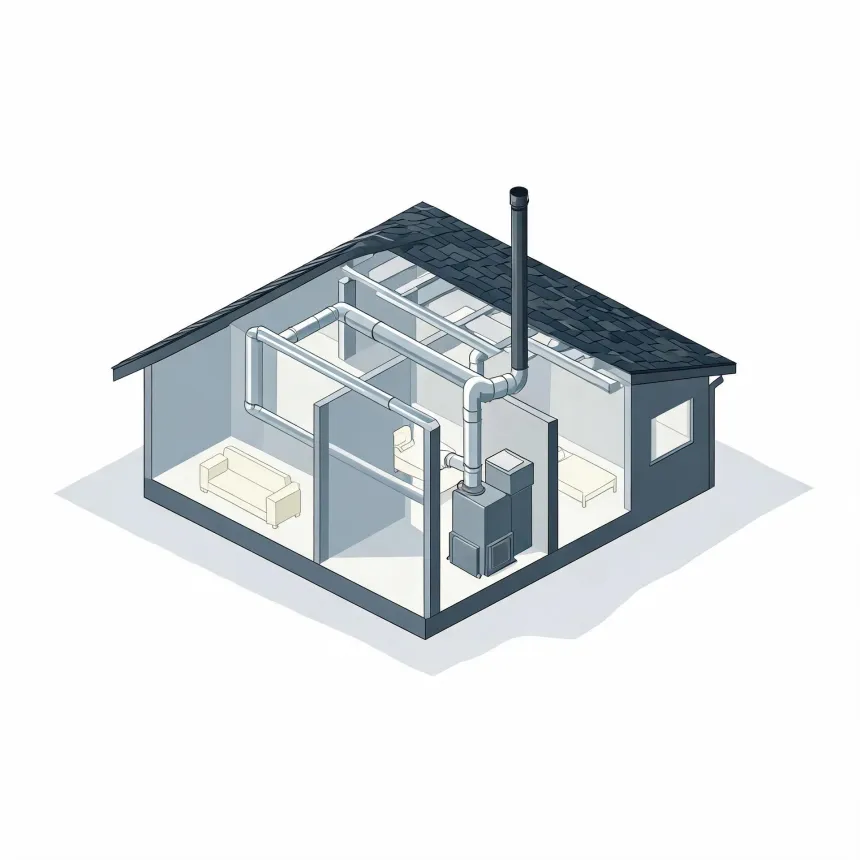
NOAA nClimDiv, 1991–2020 normals
Furnaces in Carroll County start running in September.
Get a new one installed by August and it's ready before the first cold night, not during it.



Two furnaces can carry the same price tag and cost very different amounts to run on oil at this rate. A low AFUE unit sends more of every gallon up the flue instead of into the house. Ask the contractor for the AFUE number on each option they quote, not just the installed cost. Compare that number against what's currently in the basement. If the old furnace is years behind current ratings, the difference shows up on every delivery this winter, not just the first one.
Most homes in Carroll County heat with oil, and most furnace replacements here are oil furnace replacements. The gas line or heat pump conversation is worth having, but if oil is already in the basement, swapping in a higher AFUE oil furnace is the straightforward path, and the one most of your neighbors take.
Find a contractor
Nine months of heat a year, and overnight lows averaging 12°F through December, January and February. That is the load a new furnace sits under here. It is not idling through mild nights for most of its run. It is holding a house above freezing against single digits, night after night, from September to May. A furnace sized for a milder place won't keep that pace without showing it early, in shorter cycles and a harder-working igniter.
A contractor works out the right size room by room, adding up how fast the house loses heat through its walls, windows and ceilings. The furnace being replaced is not the starting point. If it was never sized right, or the house has changed since it went in, matching its output just repeats the mistake.
Too big, and the furnace blasts the house to temperature and shuts off, over and over, short cycling instead of running a steady stretch. That hard stop and start wears on the heat exchanger and the igniter faster than steady use would. Too small, and it runs flat out without ever catching up on the coldest nights, which pushes the same parts just as hard from the other direction.
A quote should tell you more than the installed price. Ask what stage the furnace runs at. A single stage furnace is either on at full output or off, while a staged or modulating furnace can hold a lower flame through most of the run and save the hard cycling for the coldest stretches. Ask about the blower motor too. A variable speed blower adjusts airflow to match what the furnace is doing, and it runs quieter than one that only knows on and off. Ask what the warranty covers on the heat exchanger versus the rest of the unit, since that part is the most expensive to replace and the one that matters most if it cracks. And ask who is doing the load calculation, because the size of the furnace should come from that number, not from matching whatever is being pulled out.
The old furnace has to come out first. That means disconnecting the gas or oil line, the ductwork, the venting and the electrical, and checking each one before the new unit goes in. Once the furnace is set in place, those same connections get rebuilt one at a time. The contractor should fire it up and run it through a full cycle before leaving, not just long enough to hear it start. That includes checking the flame, measuring the temperature rise across the heat exchanger, and checking static pressure in the ducts. That last one gets skipped more than it should. A furnace can be sized exactly right and still run poorly if the ductwork can't move the air it's built to push. Ask to see that full cycle run while you're still standing there.