Oil costs more here to begin with
Fuel oil ran New Hampshire homes $24.23 per million Btu in 2024. If your furnace runs on oil, that price alone makes efficiency worth more here than in a state burning cheaper fuel.
Takes about a minute. No obligation.
Fuel oil ran New Hampshire homes $24.23 per million Btu in 2024. If your furnace runs on oil, that price alone makes efficiency worth more here than in a state burning cheaper fuel.
Fuel at that price makes every point of efficiency on a new furnace worth more than it would be somewhere burning cheaper fuel. That is worth asking about when you compare models.
NOAA nClimDiv, 1991–2020 normals
Furnaces in Strafford County run from October through May, and overnight lows average 16°F through December, January and February.
A new furnace here is working close to eight months of the year, so size it for what this winter actually asks of it.



September is the month to get this done. Heat goes on in October here and runs through May, so a furnace installed in September is already proven out before it has to work. Wait until the first cold snap and you're choosing a system under pressure, maybe living with a space heater while parts get ordered. Do it in September and the contractor has time to size it right and you have time to ask the questions that matter. Eight months of runtime a year is a long time to live with a rushed decision.
Strafford County falls in climate zone 5A, and any furnace installed here has to meet the federal minimum of 80 percent AFUE. That floor rises to 95 percent for furnaces manufactured starting in December 2028. A federal tax credit is available on qualifying high-efficiency equipment, worth asking about while you compare models.
Find a contractorWinter storms hit Strafford County 44 times between 2015 and 2024, heavy snow, ice, blizzards. A furnace sized tight for a mild day has nothing left when the temperature drops fast and stays there. Ask whoever you're comparing how they size the unit, not just what model they want to sell you. The right size for this county is set by the cold snap, not the average day.
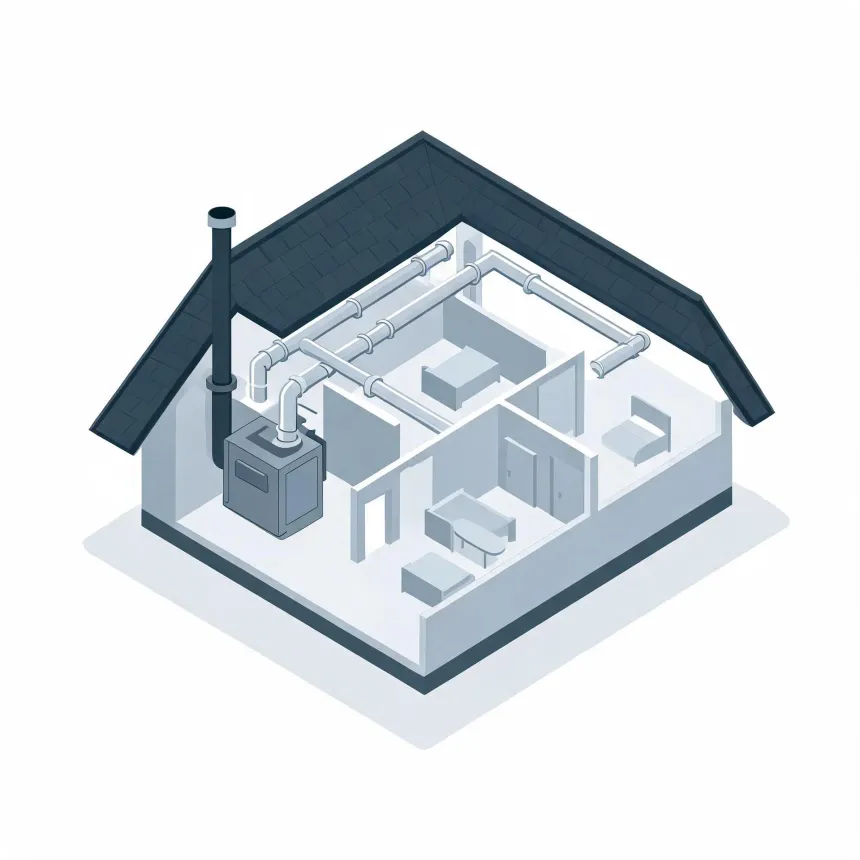
A furnace isn't just unhooked and rolled away. The gas line or oil line gets capped, the flue or vent pipe comes down, and the electrical gets disconnected at the switch. If the old furnace shares a flue with a water heater, that flue often has to be resized once the furnace is gone, since the smaller water heater alone may not vent properly through a pipe sized for both.
Furnaces are mostly steel and copper, so scrap haulers take them for the metal rather than sending them to a landfill whole. Refrigerant isn't a concern on a furnace the way it is on a cooling system, since a furnace that only heats never held any. Anything still working sometimes gets pulled for parts, but the cabinet, the heat exchanger and the blower motor get broken down and recycled.
A furnace that's too big for the job short cycles. It fires, blasts the place with heat, satisfies the thermostat, and shuts off before it ever finishes a full heating cycle. That sounds fine until you notice the house never feels even, warm near the vents and cold in the corners, because the air never ran long enough to mix. Short cycling also wears the parts that start and stop the most, the igniter and the blower motor, since every start is a small shock to them. Too small and you get the opposite problem. It runs and runs on the coldest days and still can't keep up. Sizing is done with a load calculation, room by room, that weighs window area, insulation, ceiling height and how the house is laid out, not just square footage. A contractor who skips that and sizes off the old unit or a rule of thumb is guessing, even if the guess sounds confident.
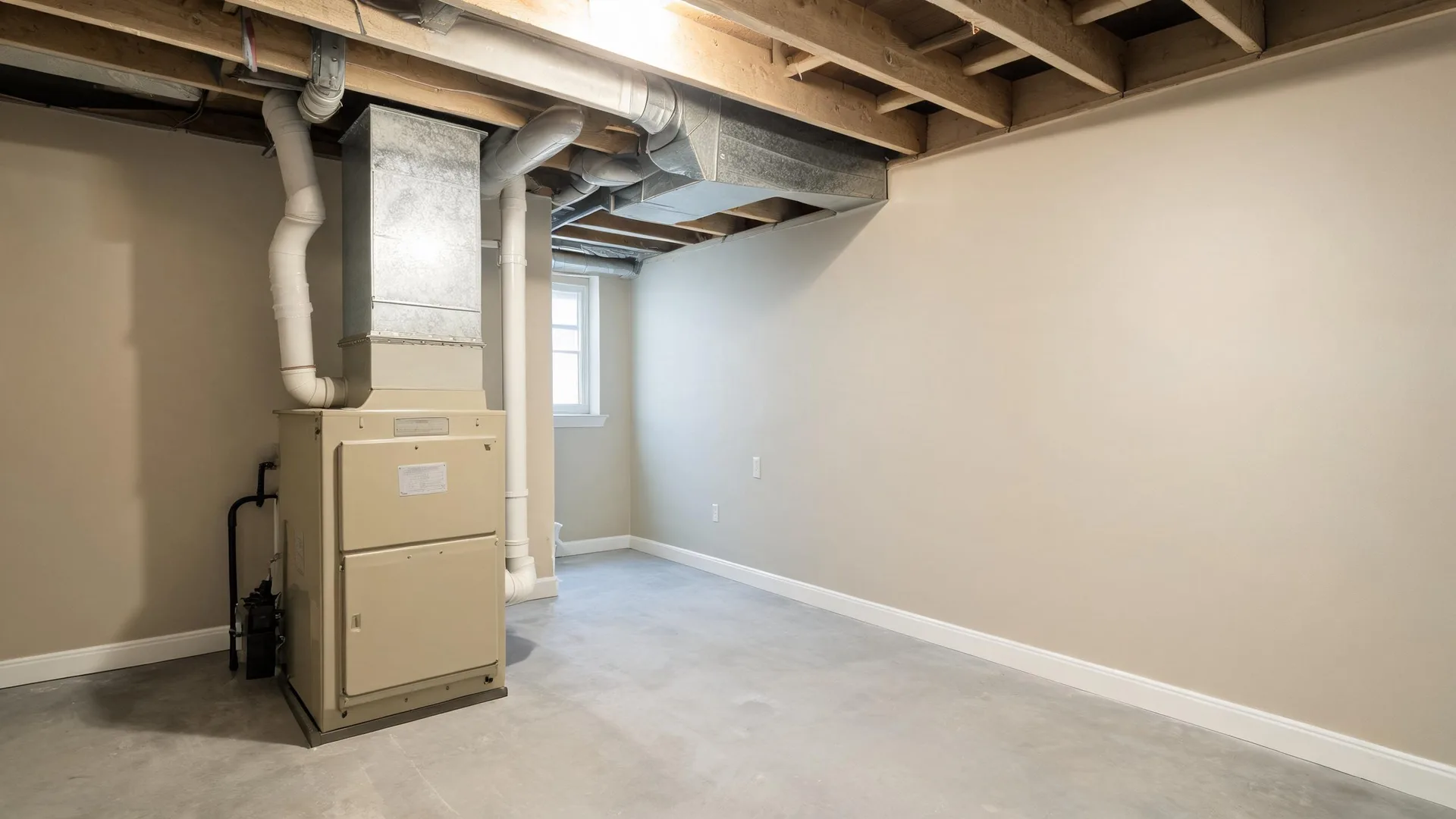
Installation day starts with the old furnace still running, so the first job is shutting off the gas or oil line and killing power at the switch before anything gets disconnected. The new furnace gets set and leveled, then the ductwork gets tied in, the supply and return both, since a mismatch there is where airflow problems start. Venting comes next, sized to the new unit rather than reused from the old one, because a high-efficiency furnace vents differently than an older one did. Gas or oil gets reconnected and pressure tested before anything fires, and the electrical gets wired in and checked against the furnace's own spec plate, not guessed at. Once it's running, the technician checks temperature rise across the heat exchanger and adjusts the gas pressure or airflow until it sits where the manufacturer says it should. That last check is what separates a furnace that's merely installed from one that's installed right.