






White colonial houses with lit windows and dark shutters line a tree-lined street at dusk, bordered by dry-stacked stone walls.

Furnace Repair in Keene, NH

Tell us about the job

Takes about a minute. No obligation.

RepairFurnace or heatingCheshire County, NH
Step 1 of 2

What ZIP code is the job in?

A furnace in Keene runs about nine months a year, September through May. That is most of the year spent cycling on and off, heating a house through nights that average 15°F in December, January and February. That kind of run time wears on an igniter, a blower motor, a flame sensor, sooner than it would somewhere milder. So when a furnace here starts short cycling, or the blower won't shut off, or it won't light at all, it's often just the system reaching the end of a part's working life early. Worth having someone look at the actual cause rather than guessing at it.

9 months
September through May, your furnace is on duty
15°F
the average winter night it heats against
34 winter storms
in ten years, the nights a failure hurts most
Isometric line illustration of a cutaway single-story house with a shingled roof, showing an interior furnace connected to ductwork and a tall vertical flue pipe, plus simple furniture in the adjacent room.
Your furnace works hardest from November through March.

NOAA nClimDiv, 1991–2020 normals

Half the homes in Cheshire County were built in 1972 or earlier.

A furnace that old may be original to the house, which matters more than the repair in front of you.

Cheshire County sees its share of hard weather, and furnaces don't come through it unaffected

247 severe weather events from 2015 to 2024
22% of homes statewide lost power a day or more in 2024
164 damaging wind events from 2015 to 2024
Running costs add up fast hereFuel oil in New Hampshire ran $24.23 per million Btu in 2024, so a furnace that's struggling costs more every month it stays that way.

September is when furnaces here start proving whether they made it through summer in good shape. A furnace that sat quiet since May can have a cracked igniter or a stuck relay that never showed up until the first cold morning asks it to run. That's why the first few weeks of the season tend to bring more no-heat calls than the months after, once everything still running has settled in. August is worth a look before that happens, especially if something seemed off last spring when the system shut down for the year. Catching a weak part before the season starts is easier than catching it once the house is counting on the furnace every night.

A worn part found now is a smaller job than one found mid-winter

A furnace that's been cycling on and off since September has had plenty of chances to wear down an igniter or a blower motor. If yours is short cycling, running nonstop, or not lighting, get the actual part diagnosed instead of guessing at it.

Find a contractor
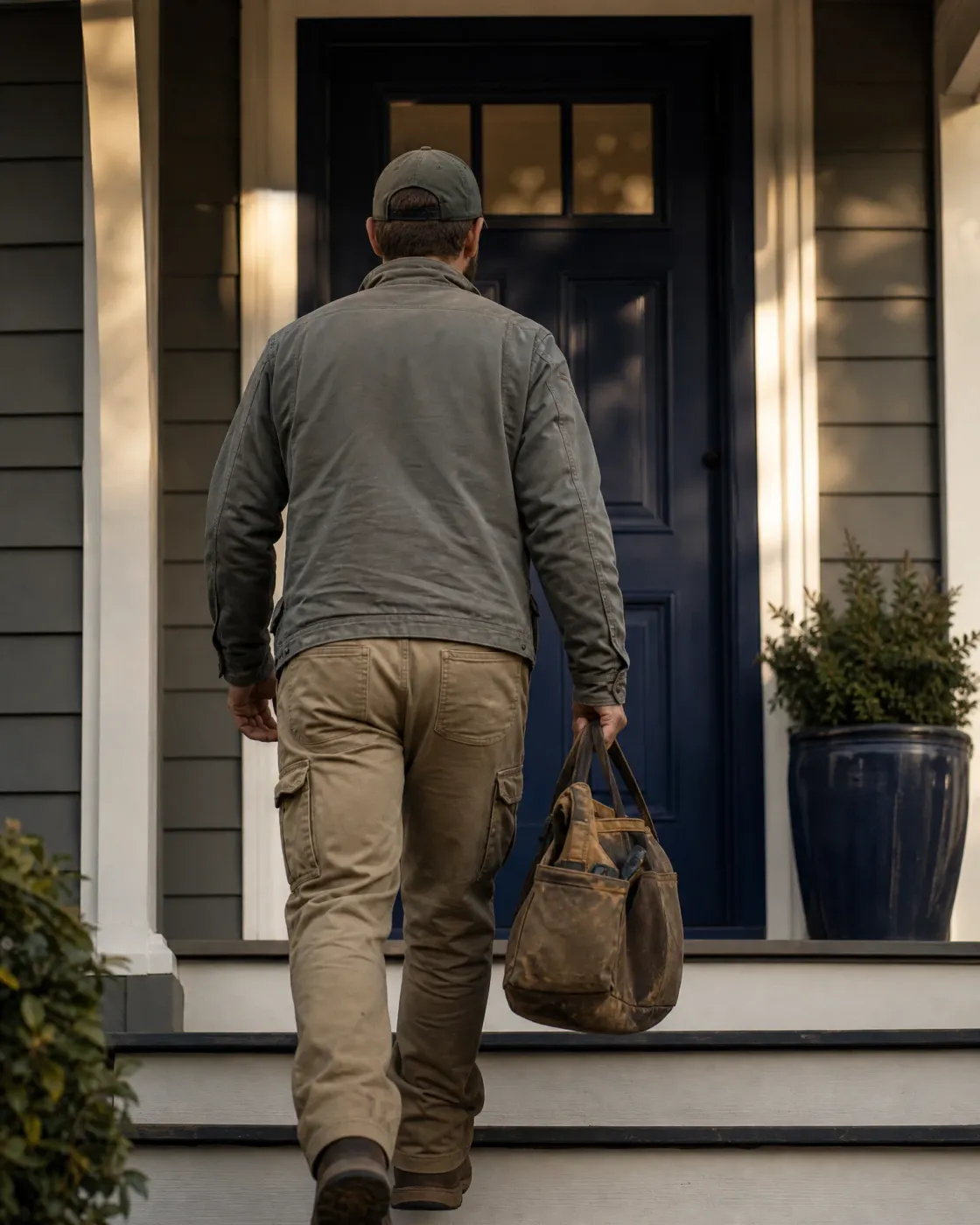
A man in a cap, gray jacket and tan cargo pants, seen from behind, carries a worn canvas duffel bag up steps toward a dark navy front door, with a potted shrub beside the entry.
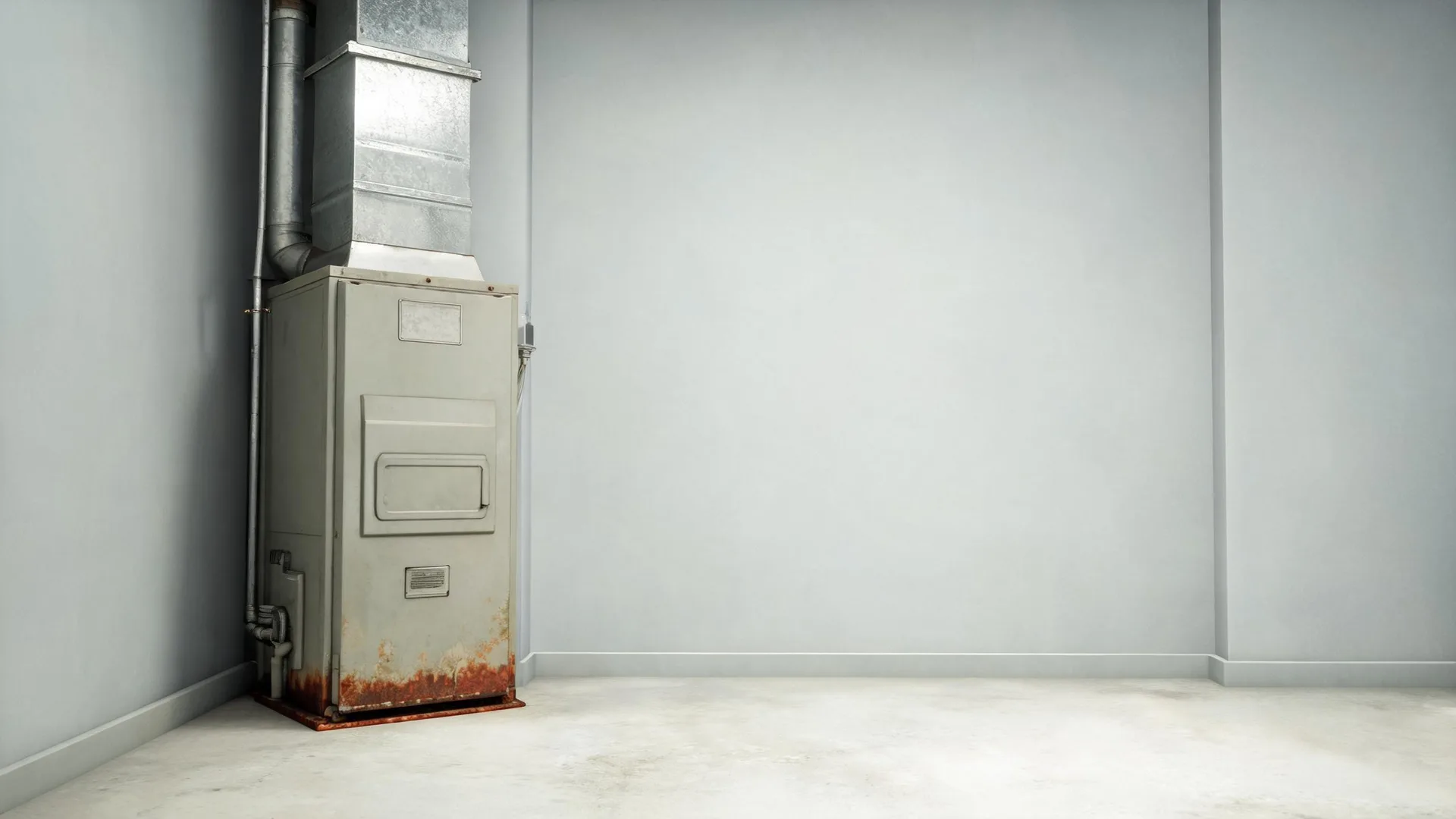
A gray gas furnace with attached ductwork and piping installed in an unfinished concrete basement.

Worth knowing the furnace's age before you fix it

If your furnace came with the house, find out how old it actually is before paying for this repair. A technician can read the age off the data plate in a couple of minutes. If it's original to a house built in 1972 or earlier, weigh the repair against how much life the furnace has left. One more season out of it might be all that part buys you.

What you can check before anyone shows up

Check that the thermostat is set to heat and the setting is above room temperature. Check the breaker for the furnace, and if it's a gas furnace, check that the switch that looks like a light switch on or near the unit is flipped on. Check the filter. A filter clogged with dust can choke airflow badly enough that the furnace overheats and shuts itself off.
What to leave alone

Don't open the burner compartment or touch the gas valve. If you smell gas, leave the house and call the gas company before calling anyone about the furnace. Don't keep resetting a furnace that's shutting itself off. That shutoff is a safety switch doing its job, and resetting it over and over just repeats whatever tripped it in the first place.

A few things account for most furnace failures. The igniter is the most common. It's a thin strip that heats up to light the gas, and after thousands of cycles it gets brittle and cracks. A flame sensor gets a coating of oxidation over time and stops telling the control board that the burner lit, so the furnace shuts off a few seconds after starting. The blower motor wears at the bearings from running constantly. That shows up as a grinding or squealing sound before it quits outright. A clogged filter makes the furnace work harder to push air through the house. Left long enough, that can overheat the heat exchanger and trip the limit switch. Less often, the heat exchanger itself has cracked, and that one isn't a repair. A cracked heat exchanger is a safety issue, and it means the furnace needs replacing.

A diagnostic starts before any panel comes off. A technician asks what the furnace was doing right before it quit. Short cycling, no heat at all, a smell, a sound. Then they check the thermostat call, the power to the unit, and the gas supply, because those rule out the simple stuff fast. With the cover off, they watch the ignition sequence happen in real time. Does the igniter glow. Does gas light when it should. Does the flame sensor hold that flame and let the burner keep running, or does it shut off a few seconds in. Each step either passes or fails, and wherever it fails is where the problem lives. That's usually enough to name the part before anything gets replaced.