


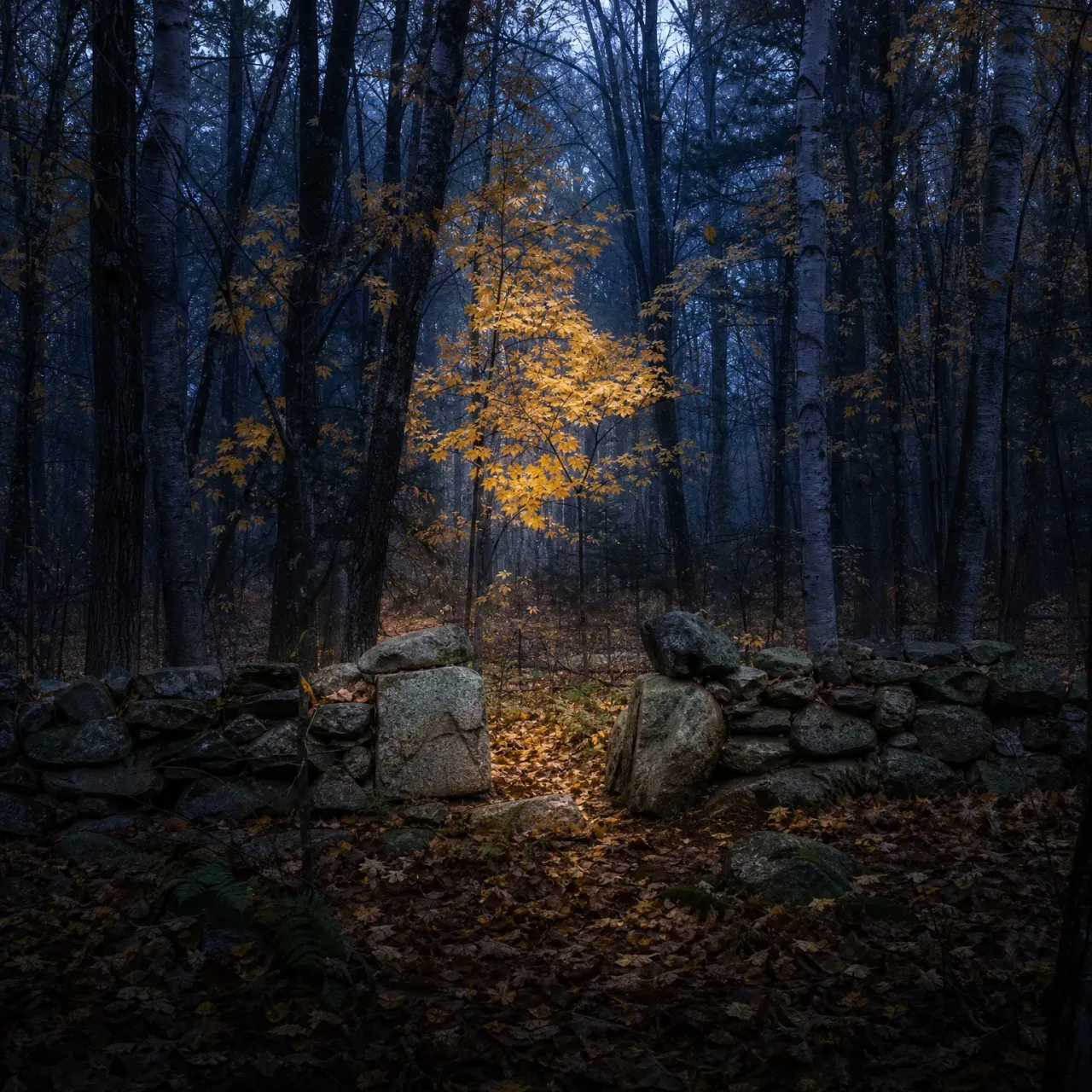



An unfinished concrete basement containing a metal HVAC air handler, exposed wooden ceiling joists with sheet-metal ducts, a hanging bare bulb, copper pipes, and stacked cardboard boxes.

Furnace Repair in Manchester, NH

Tell us about the job

Takes about a minute. No obligation.

RepairFurnace or heatingHillsborough County, NH
Step 1 of 2

What ZIP code is the job in?

A furnace near the end of its life tends to show more than one problem at once. Maybe the igniter failed last year and now the blower motor is making noise. That pattern is a sign to think about replacement rather than another repair. A single, isolated failure on a furnace that has otherwise run fine is a different story. A cracked heat exchanger is the one case where repair isn't really an option at all, since it means the unit has to be replaced for safety reasons. Short of that, if the repair is straightforward and the rest of the system is sound, fixing it is usually the right call.

8 months
October through May, your furnace is on duty
16°F
the average winter night it heats against
72 winter storms
in ten years, the nights a failure hurts most
Isometric cutaway illustration of a single-story house in gray tones, showing interior rooms with furniture, ceiling ductwork, and an exterior furnace unit with a tall flue pipe.
Your furnace works hardest from November through March.

NOAA nClimDiv, 1991–2020 normals

Furnaces in Hillsborough County run from October through May, with overnight lows averaging 16°F in January.

Eight months of work a year wears parts down faster, so a repair here has to hold up to what the rest of winter still owes it.

An old house doesn't mean an old furnace

Half the homes here were built by 1978
Heat runs October through May
Winter nights average 16°F
Furnace problems start in OctoberHeat runs October through May here. Whatever was weak by September shows up fast.

Gas here runs $18.09 per million Btu, among the higher rates nationally, and a furnace that's short-cycling or struggling to hold temperature burns through more of it than it should. A dirty flame sensor or a failing igniter doesn't just risk a no-heat call, it makes the furnace work harder to do the same job. Winter here runs long, so that difference shows up on the bill before it shows up as a breakdown. Worth getting looked at now rather than waiting for it to quit on a cold night.

Get it diagnosed properly

Your furnace works hard here, and that's usually what's behind the problem. Have it diagnosed properly so the fix lasts.

Find a contractor
A gray residential gas furnace installed in an unfinished basement, connected to sheet-metal ductwork and PVC pipes.

Built for the rest of winter, not just this week

72 winter storms hit this county between 2015 and 2024. A furnace that quits during one of them isn't a minor inconvenience, it's a house with no heat while roads are bad and a tech is hard to reach. That's the case for having a repair done right the first time, with parts that match the unit rather than whatever's closest to the right size. Ask what's actually being replaced and why, and whether it addresses the cause or just the symptom that showed up this week.

The furnace won't stop cycling on and off

A furnace that fires up, runs a short while, then shuts off before the house warms is short-cycling. Often it's a flame sensor too coated with residue to prove a flame is present, so the control board shuts the gas off as a safety measure. It can also mean a clogged filter is starving the system of airflow, causing it to overheat and trip off early. Either way, the furnace is working to heat the house and failing partway through, over and over.

The air coming out is cool or uneven

If the blower is running but the air feels lukewarm, the issue is usually on the heating side, not the fan. A failing igniter may not be lighting the burners reliably, or the gas valve may not be opening fully. Rooms that used to heat evenly and now don't can point to the same intermittent ignition, where the furnace is only partly doing its job on a given cycle rather than failing outright.

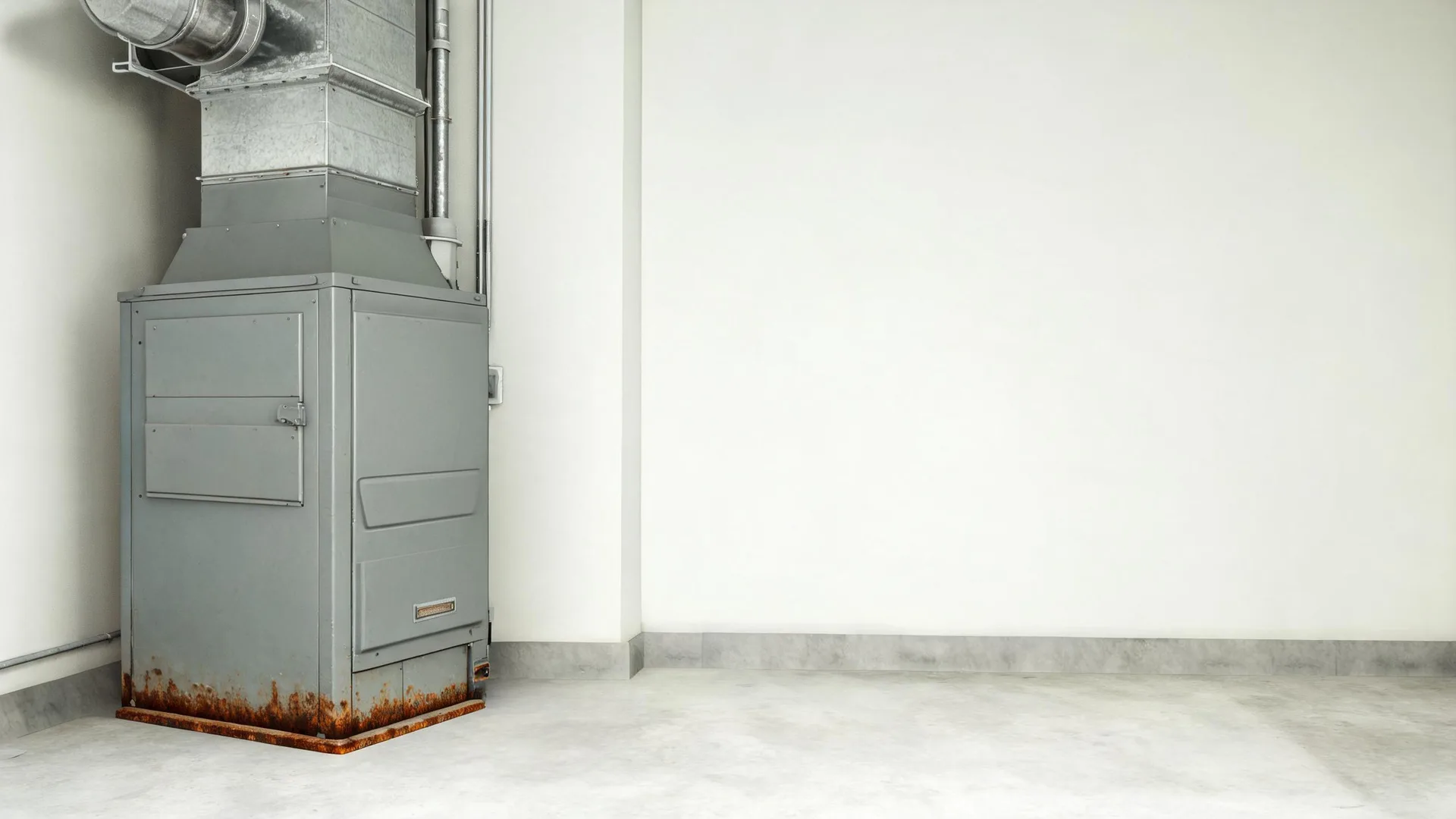
An unfinished basement featuring concrete block walls, exposed floor joists, a bare concrete floor, and a forced-air furnace with a large metal exhaust duct in the corner.

A new furnace would cut about $150 a year off heating for a typical Hillsborough County home.

  • A new high-efficiency furnace$620 a year
  • An older furnace$770 a year

Estimates for a typical Hillsborough County home, compared with an older unit built to the previous federal minimum, from EIA household energy data, New Hampshire fuel prices and NOAA climate normals. Your home will differ.

Repair makes sense when one part has failed and the heat exchanger is sound.

Replacement makes sense when the heat exchanger is cracked or the furnace keeps needing parts.

A diagnostic call starts with the thermostat and works back from there. The tech runs the furnace through a full cycle, watching how it ignites, how long it runs, and whether it shuts off the way it should. A steady flame means clean combustion. A yellow or flickering flame points to a burner that needs attention. They pull the filter, check the flame sensor and igniter, and look at the blower wheel for dust buildup that cuts down airflow. A static pressure reading shows whether the ductwork is restricting the system more than it should. Each of these either rules something out or points at the actual cause, so the repair that follows is aimed at what's really wrong.