

What winter here actually does to a heat pump
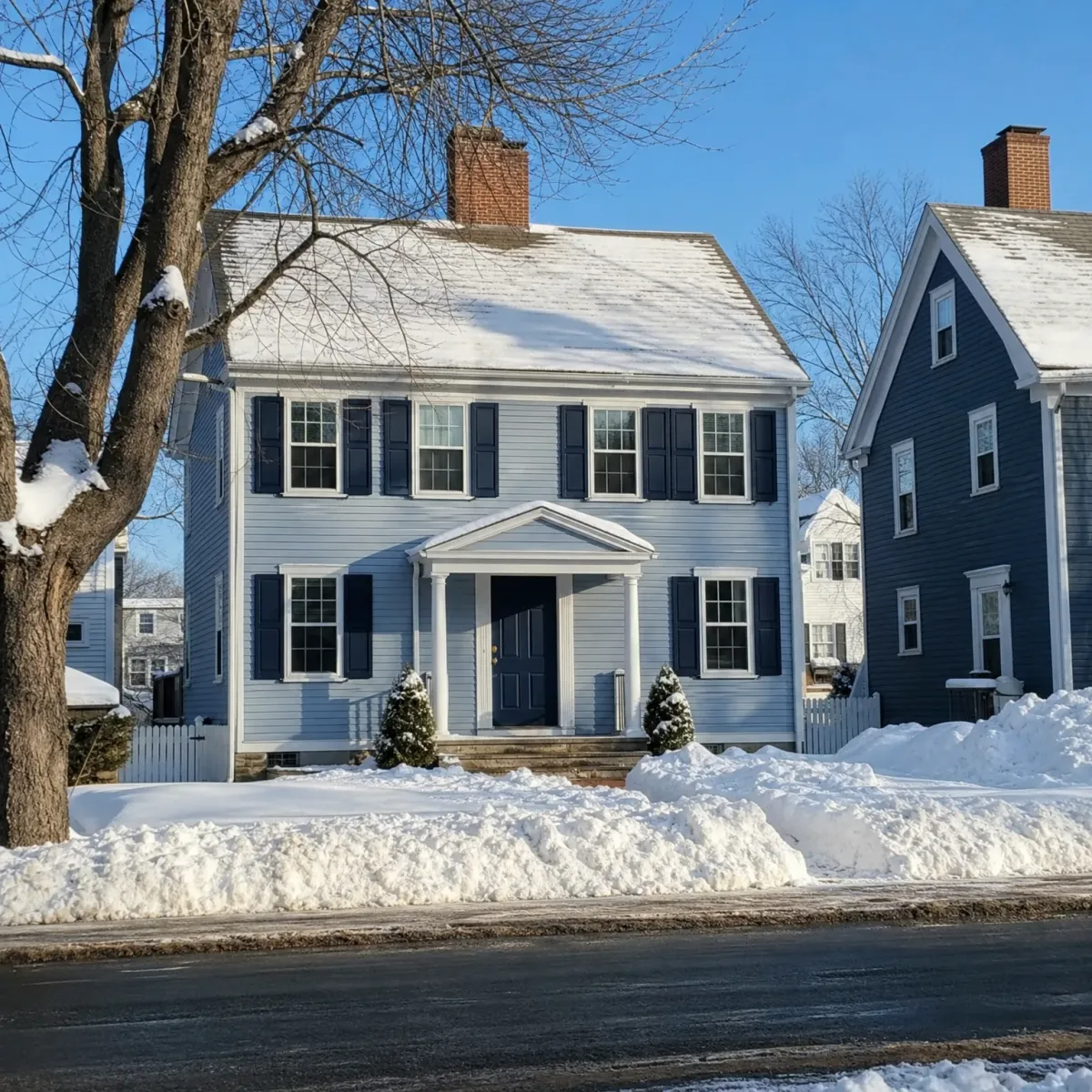
Winter here is the whole question. Heat runs eight months a year in Rockingham County, October through May, and the overnight low averages 18°F across December, January and February. That's not an occasional cold snap. About 150 nights a year drop to freezing or below, more than half the nights in the heating season. A standard heat pump starts losing ground before it even gets that cold: below 40°F its heat output falls short of its rated capacity, and below about 35°F it often needs backup heat to keep up. The average winter night here is below both marks. So is every single one of those 150 freezing nights.
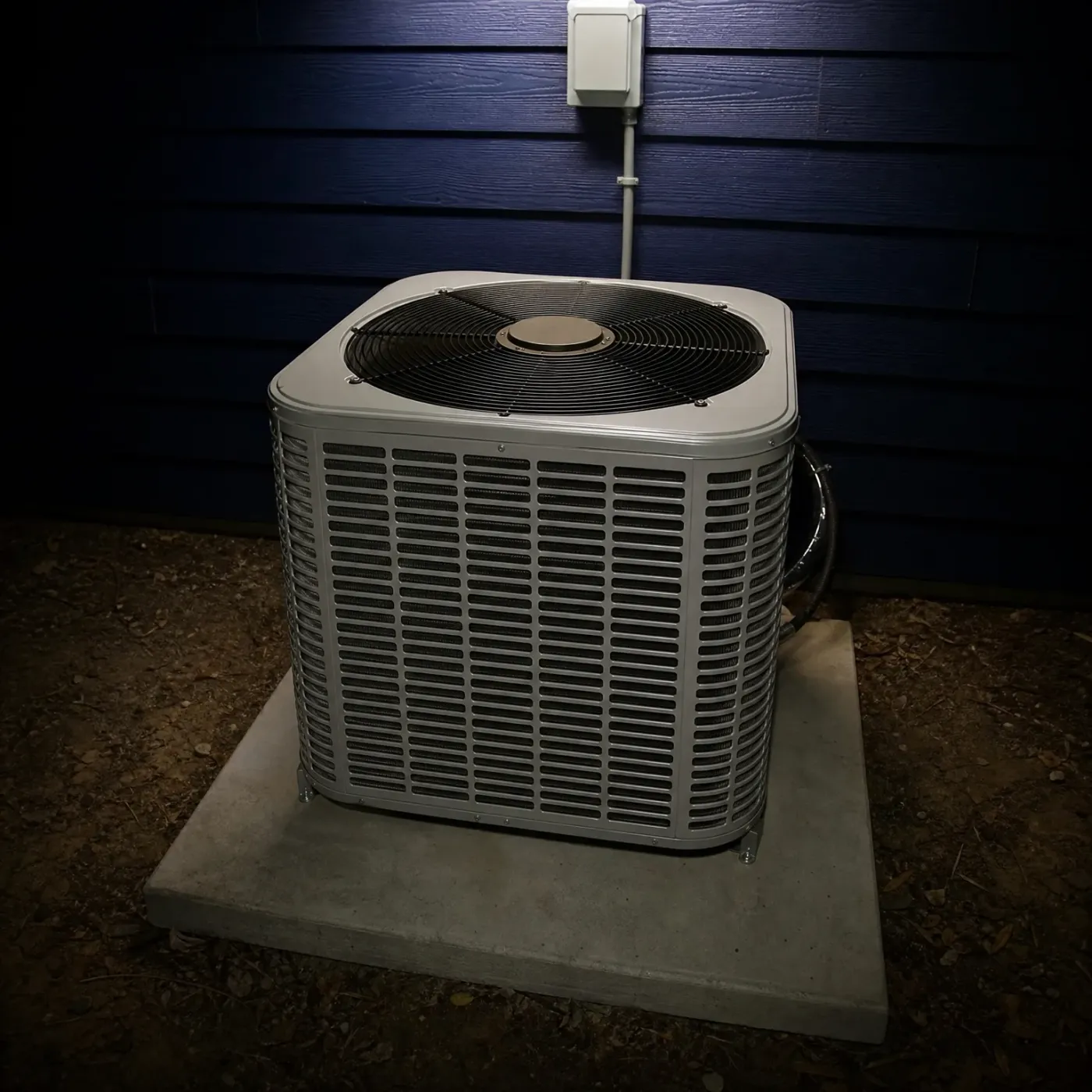
That doesn't mean a heat pump can't heat your house. It means it's not working alone on most winter nights, and on the coldest ones it's leaning hard on backup. Seven nights a year here hit 0°F or below. That's a small slice of the season, but a cold-climate heat pump is built with exactly those nights in mind, rated to hold at least 70 percent of its 47°F capacity and still make more heat than electricity it uses at 5°F, tested by a third party to prove it. A standard heat pump carries no such rating. Field tests of cold-climate models in occupied homes found backup heat covered only a small share of the output between 0°F and 35°F, and running on backup alone was rare even above 0°F. The difference between a heat pump that struggles here and one that doesn't is that rating.
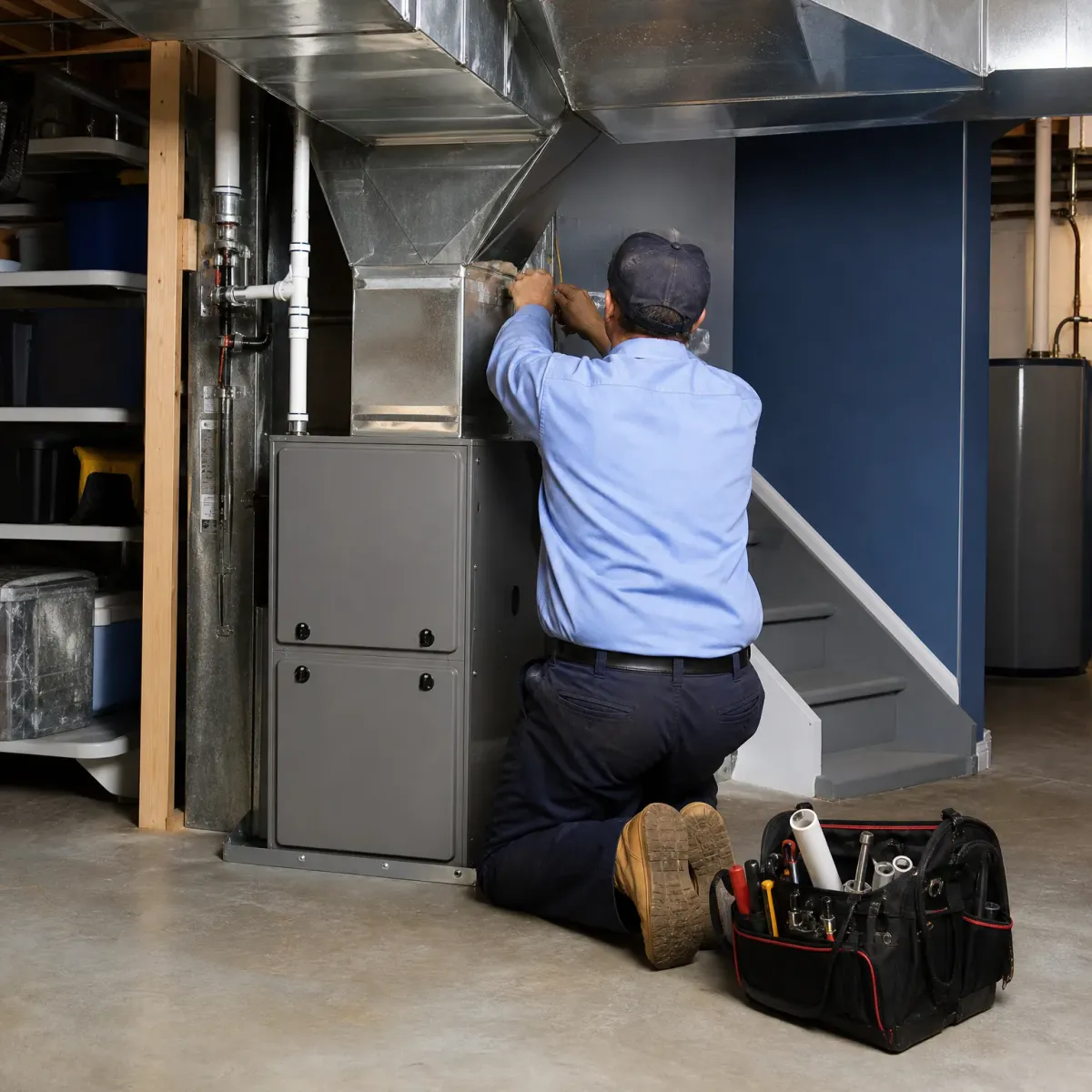
None of this touches your summers. Cooling runs about two months here, July and August, with afternoons averaging 80°F. A furnace has no answer for that; it only heats, and for the four months outside the heating season it does nothing at all. A heat pump cools and heats from the same system.