

How to restart a boiler after a New Hampshire power outage
Send the request today and let a boiler pro reach out to you.
Send it todayMost boilers relight themselves once power comes back. The igniter sparks, the pump starts, and the system goes back to the thermostat setting on its own. Give it ten or fifteen minutes before you worry. If it stays cold, check the switch on the unit itself and the breaker it runs on, since a surge when the power dropped or came back can trip either one. Oil boilers also need the oil line primed if the tank ran low or air got into the line, which isn't something you reset by flipping a switch. If the igniter doesn't spark, or the burner tries and shuts off again, that points to a part that failed, not a system waiting on you to restart it. With most homes here running on oil heat, a boiler that won't restart after an outage is usually telling you something specific is wrong, not that it needs more time.
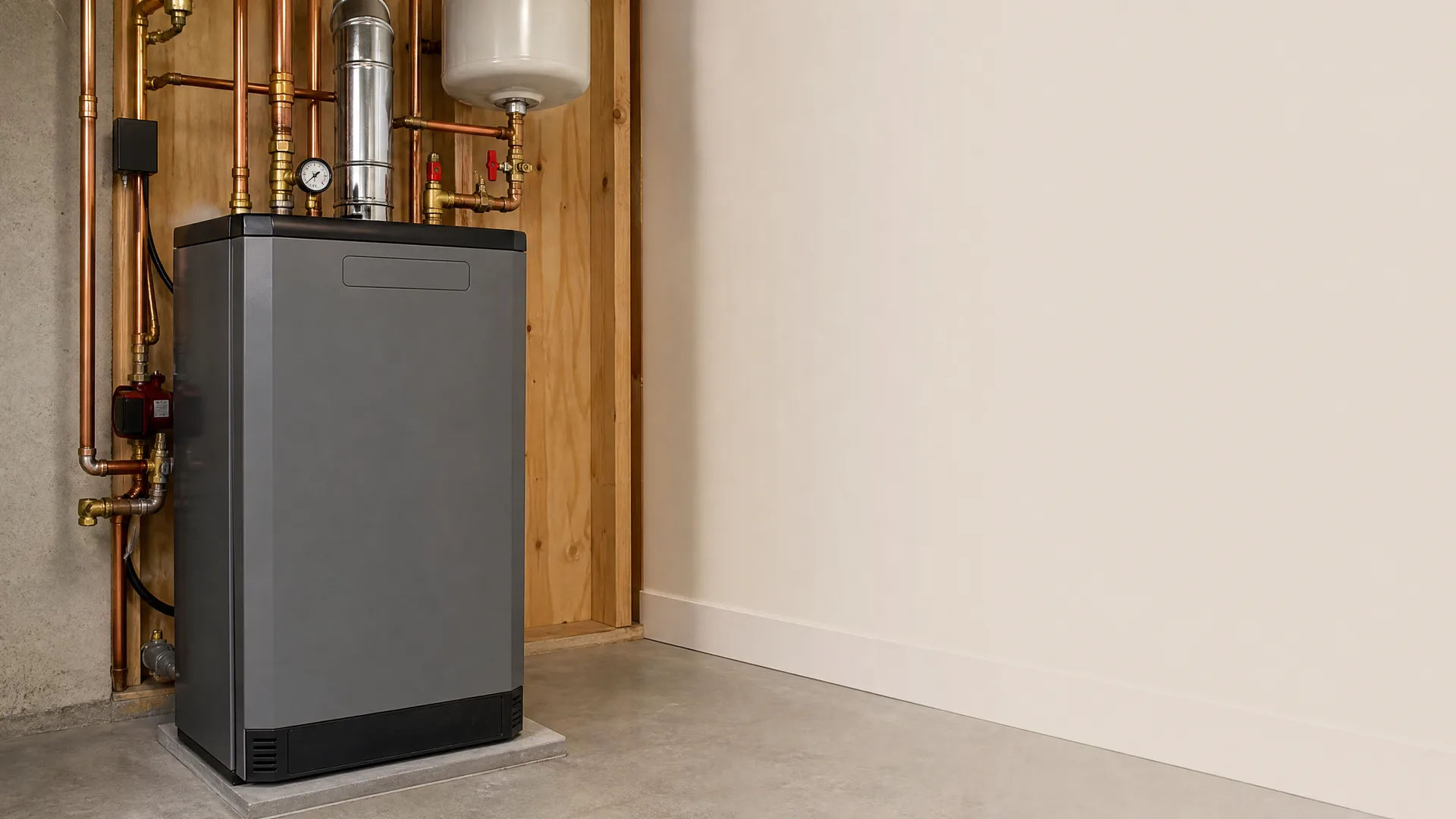
Why the reset switch trips
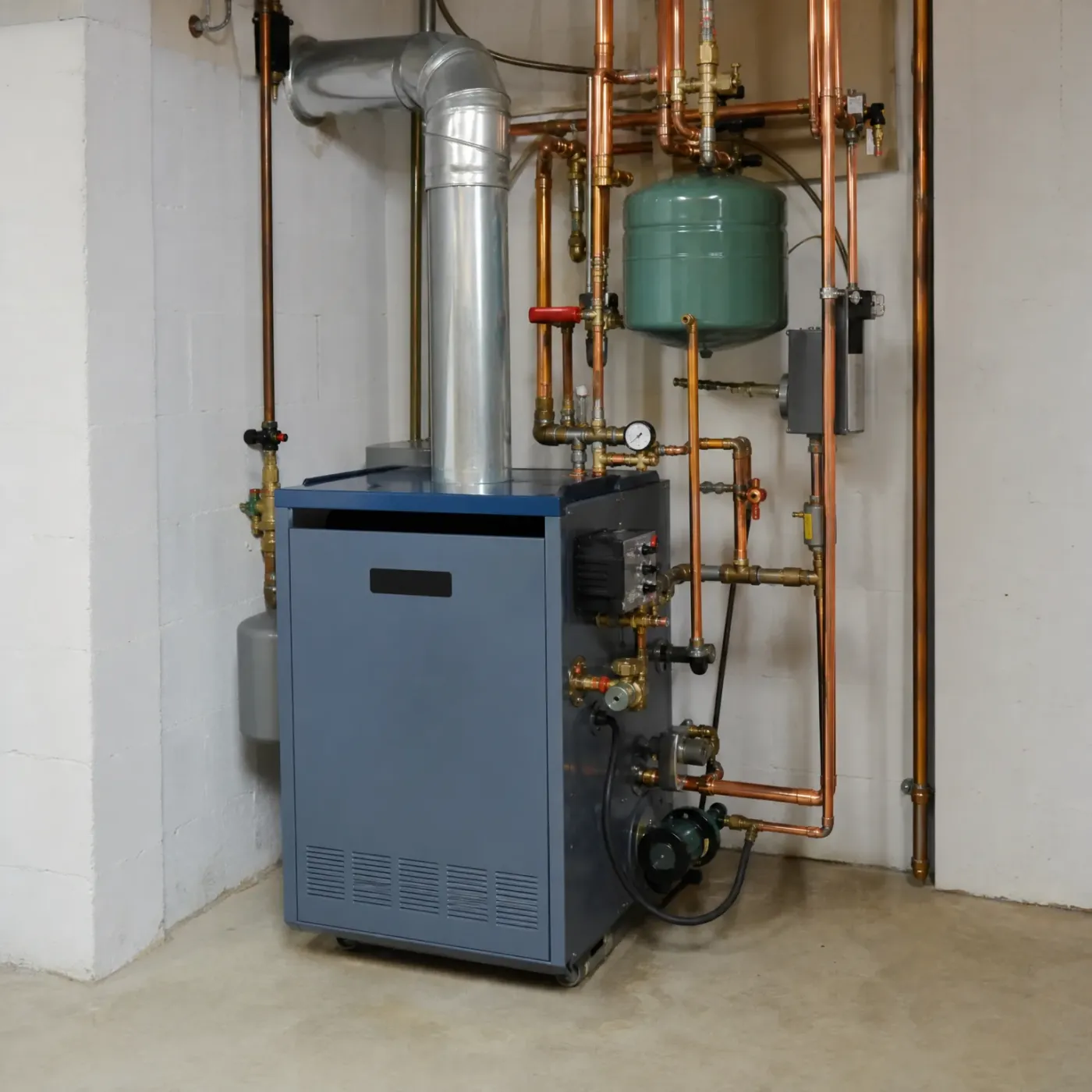
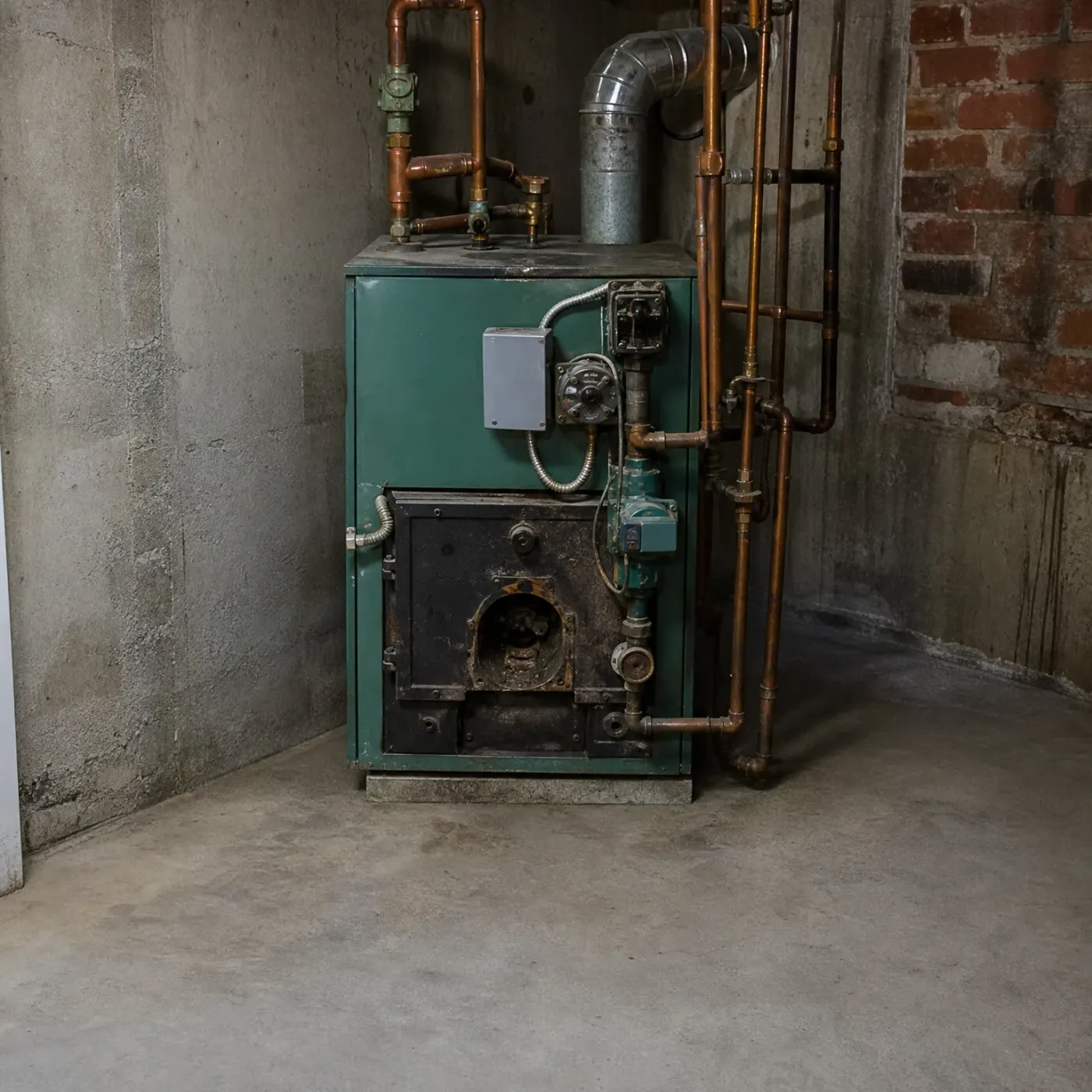
Most oil boilers in New Hampshire have a reset button near the burner motor. Power blinking off and on can trip it the same way a hard flame failure does, because the control board treats the interruption as a fault. Pressing it once is normal. Pressing it twice without the boiler catching means the igniter or the oil pump needs a look, not another push.
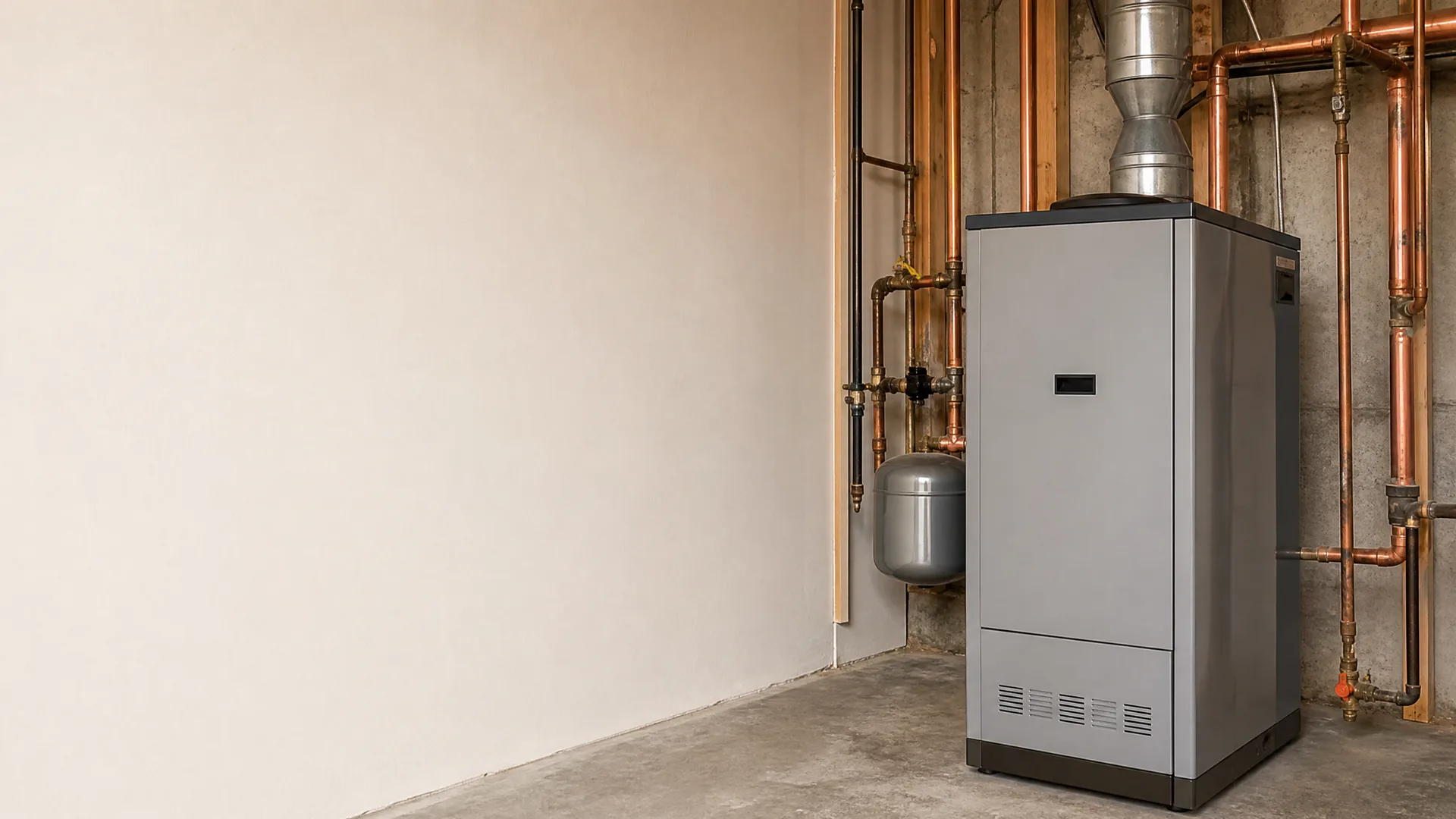
What the pump and igniter need
An oil burner's igniter has to spark and the pump has to build pressure within seconds of the call for heat, or the control board shuts the burner down to keep unburned oil out of the chamber. A short outage rarely hurts either part. A longer one, or one that happened while the burner was mid-cycle, is more likely to leave the pump dry or the igniter cold when it should fire.
One Press or a Repair
Press it once
- The reset button is usually red or black and sits right on the burner motor housing, often behind a small round cover.
- Press it one time and wait. The igniter should spark and the burner should fire within a few seconds.
- If the boiler catches and runs, leave it alone and check back in a few minutes to see that it holds.
- A single press that works and keeps working usually means the outage itself was the whole problem.
- If nothing happens on that first press, stop. A second press won't diagnose anything the first one didn't.
It won't hold
- Pressing the reset a second or third time just floods the chamber with oil that didn't ignite the first time.
- If the burner fires and then cuts out again after a few seconds, the flame sensor or igniter may not be reading a flame correctly.
- A boiler that resets but shuts down again within a minute or two is telling you the fault isn't the outage anymore.
- Oil smell near the unit after a failed reset means unburned fuel is sitting in the chamber and the boiler needs a look before you try again.
- Repeated resets with no change is the point where this becomes a repair instead of a restart.




It's off your list after this
If you pressed the reset button once and the boiler still won't fire, it's not asking for a second or third try. A reset that doesn't hold usually means something else tripped it, a flame failure, a bad igniter, a pump that isn't getting power the way it should. That's a repair, not a reset, and it's worth knowing before the house gets any colder. Oil heat runs most of New Hampshire, and with power here costing what it does, a boiler stuck off after an outage isn't something to leave for the weekend. Normally that means calling around, explaining the same problem to a few different shops, and waiting on quotes to come back before you even know who's available. Send the request through instead and that part stops being yours to do. One contractor gets it, not five, and you go back to waiting out the outage instead of chasing down who can come look at your boiler.
A boiler that won't restart on its own means no heat while you're waiting on it, and in a New Hampshire winter that's not something to leave for a day while you decide what to do.
Pipes don't care that the power came back on. A cold house for too many hours is how a stuck boiler turns into a frozen line, so the call to get it looked at is worth making the same day.
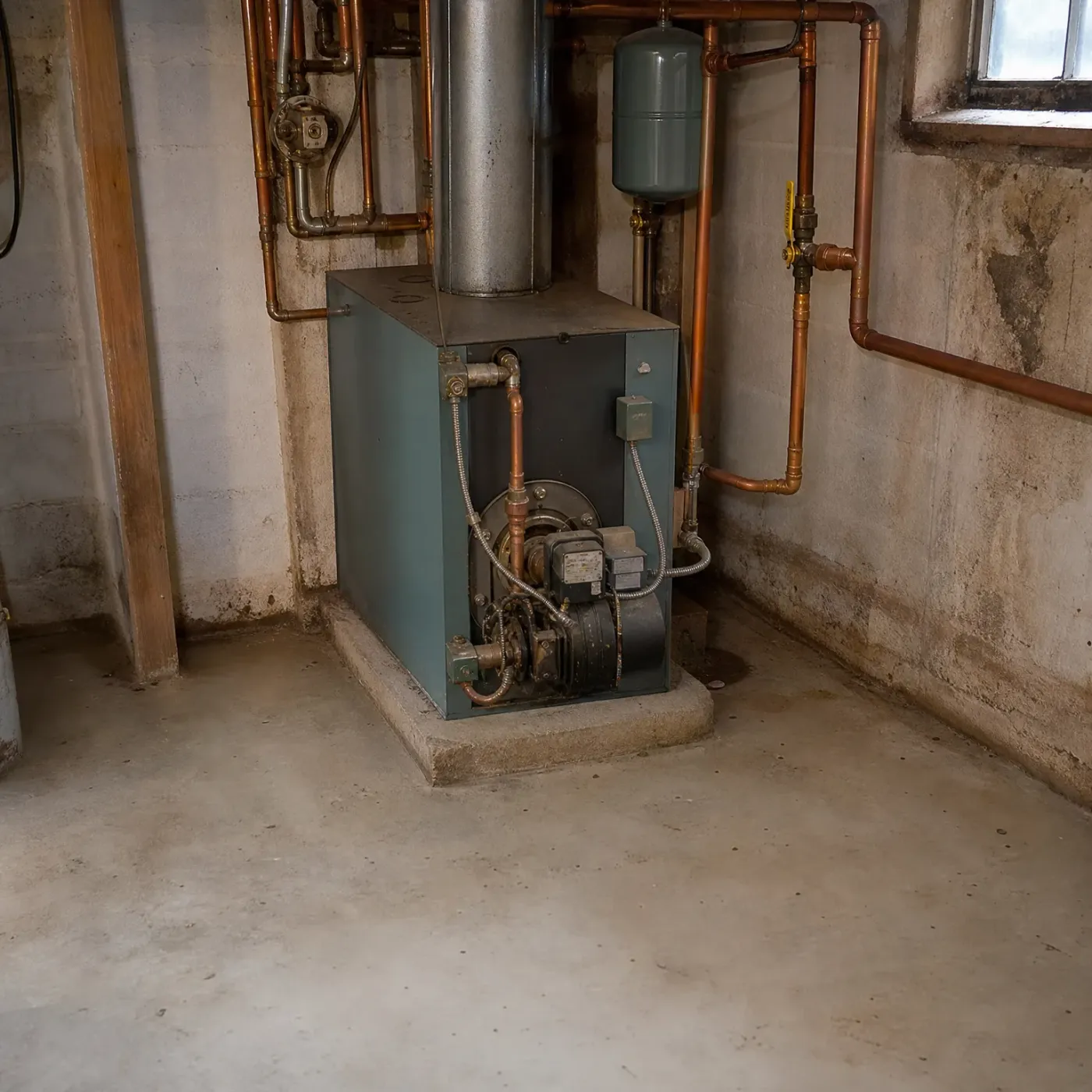
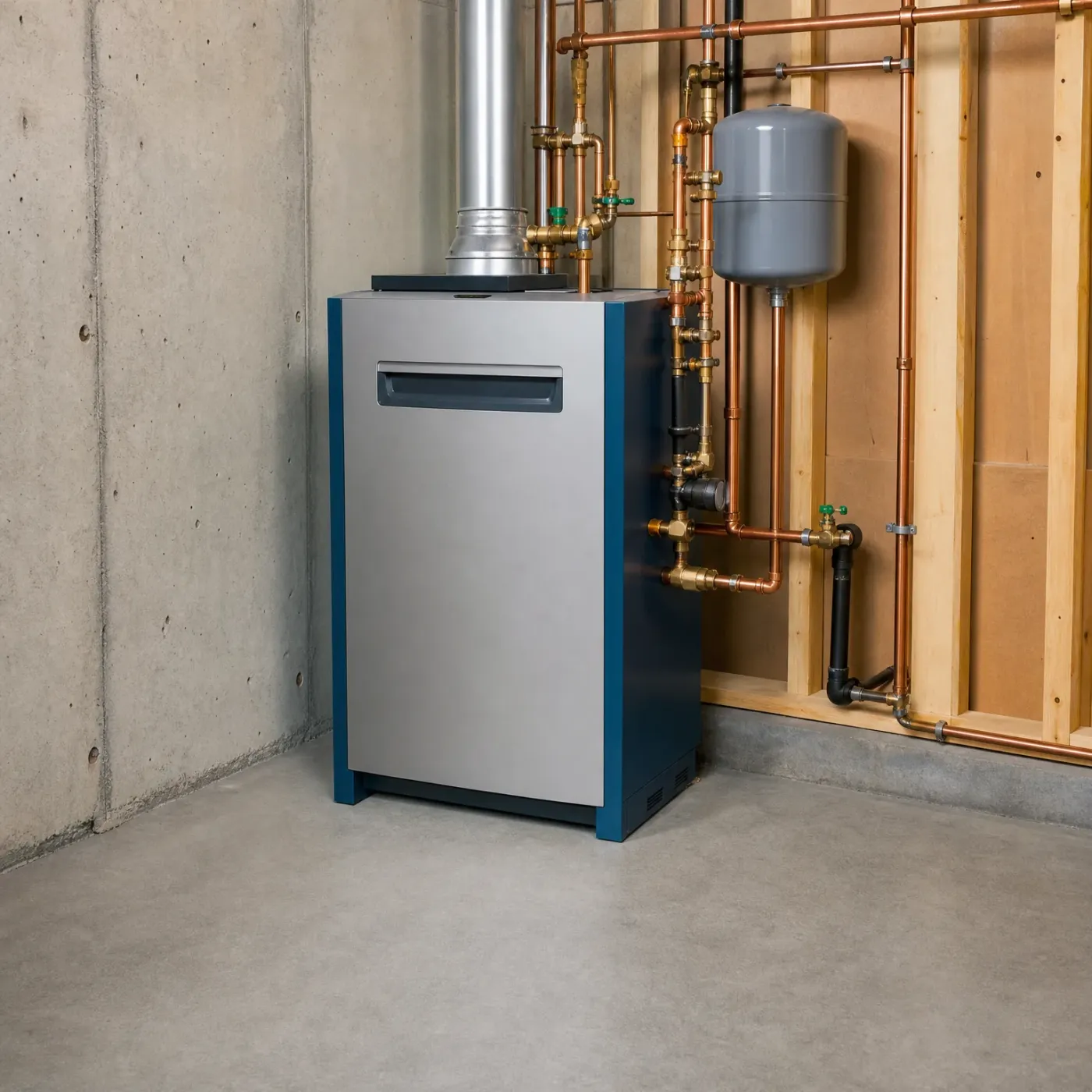
A boiler that stays quiet after a power outage usually isn't broken. It's waiting on something specific. The low water cutoff won't let the burner fire until it confirms the water level, and if that float stuck during the outage, the boiler sits there doing nothing. If the circulator pump didn't come back with the rest of the system, the burner can fire anyway, push heat with no water moving it, and trip the high limit switch as a safety measure. Oil boilers have their own quirk: the fuel line can pull in air when the pump loses power mid-cycle, and that air has to clear before ignition happens at all. The aquastat sometimes wants a few minutes of standby heat before it lets the burner cycle, so a slow start isn't always a problem. And on older control boards, the thermostat setting doesn't always survive a long outage, which means the system is fine, it's just sitting at a setting nobody told it to leave.
What's happening inside after the outage
- The low water cutoff checks the boiler's water level before letting the burner fire, so a float stuck shut after an outage will block ignition.
- A circulator pump that doesn't restart can leave the burner firing with no water moving, which trips the high limit switch and shuts things back down.
- Aquastat controls on oil boilers sometimes need a few minutes of standby heat before they let the burner cycle on, so a cold start takes longer than you'd expect.
- The transformer that feeds the igniter and thermostat circuit draws low voltage, so a surge when power snaps back can blow a fuse on the control board.
- Oil boilers draw fuel through a line that can pick up air when the pump loses power mid-cycle, which stalls ignition until that air works its way out.
- Some older control boards in New Hampshire homes have no memory of the thermostat setting after a long outage, so the system sits idle until someone bumps the setting by hand.
Winter nights average 15°F statewide
Nights here average 15°F in December, January and February. That's the kind of cold where a few hours without heat lets pipes go from cold to frozen, not just chilly. If your boiler doesn't come back on its own after an outage, it's worth sorting out that same night.
NOAA nClimDiv 1991-2020 county normals weighted by homes



If it still won't light, that's a repair, not a retry
You've pressed the switch. You've waited. The burner isn't firing and the house is getting colder. At this point the outage isn't the problem anymore, something inside the boiler is, and that calls for a licensed tech who can get a flame failure, a bad igniter or a stuck float working again.
Finding that person is its own job, usually. Searching, calling a few places to see who answers, explaining the same thing about your reset switch and your cold house more than once, waiting on quotes you then have to compare. Send this form instead and that part is off your plate. You're not sorting through names in the phone book while your pipes sit cold, you're just waiting for the right person to call.

Hand off the search today
Skip searching for a boiler pro and answer a few questions instead.