
212°F
That's the point water flashes to steam inside the boiler. Low pressure or a scorched heat exchanger lets it happen early, and the knocking is steam collapsing against cooler water around it.

A boiler that gurgles usually catches your attention fast, especially if it starts up out of nowhere. You're not sure if it's something minor or a sign the system is about to fail on you, which matters more here with oil heat running most of the winter and electricity costing what it does in New Hampshire. You just want to know what's making that sound and whether it's a problem you can leave alone.
That gurgling is usually air caught in the pipes or the heat exchanger, or it's sludge and mineral buildup sitting at the bottom of the boiler and interfering with the water as it heats. Air gets in when the system is topped off or bled incorrectly. Sludge builds up over years as the water inside breaks down metal and mineral deposits. Either way, the noise means the boiler isn't moving water the way it should, and it has to work harder to heat your home. Left alone, that extra strain shows up on your electric bill if you've got a circulator pump running longer than it needs to, and it wears down parts faster than normal.
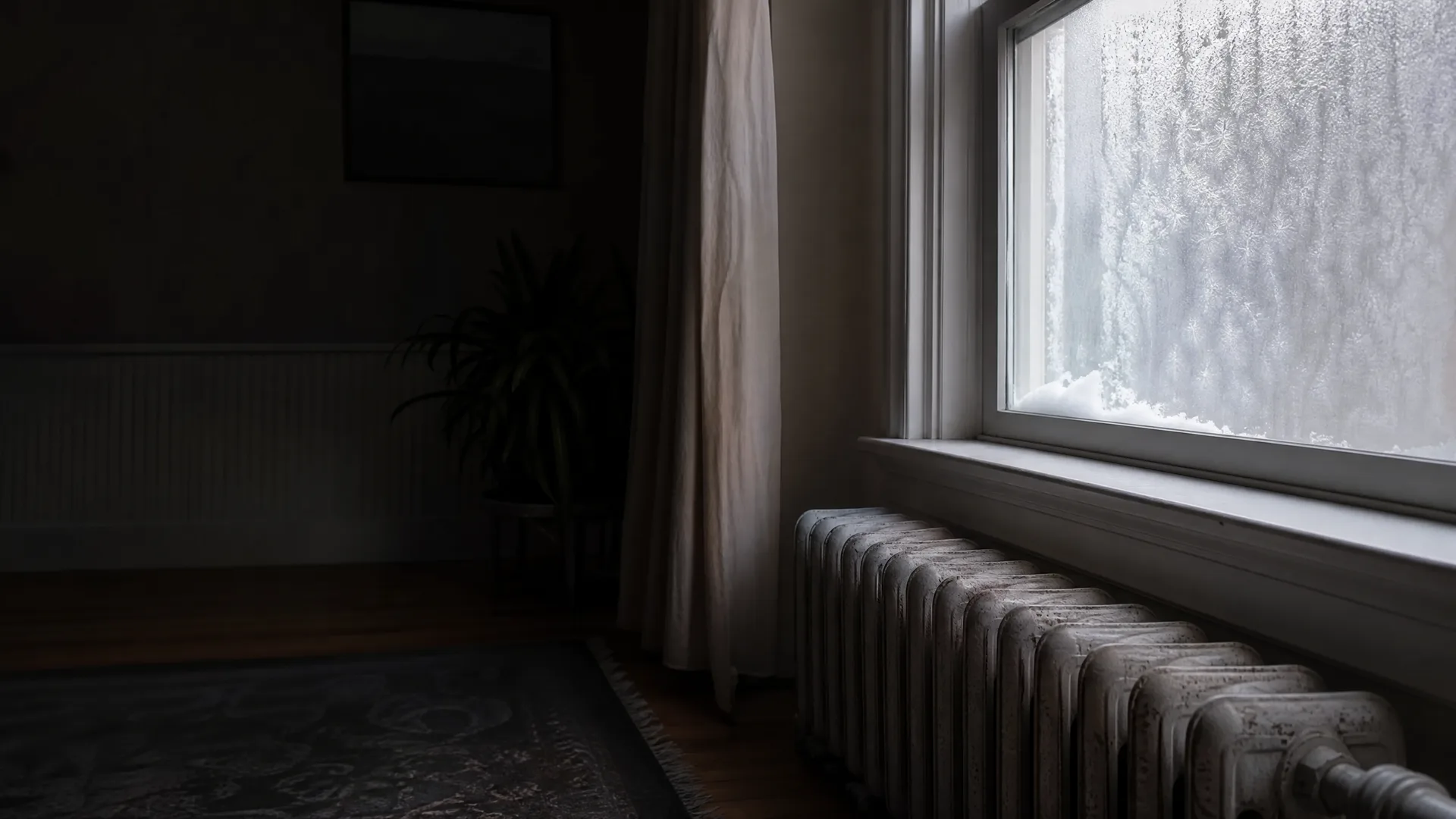
You're up before the sun, same as always in January, and the living room is cold enough that you can see your breath near the window. Ice has crept up the inside of the glass overnight. The cast-iron radiator under it should be ticking as it heats, but instead you hear it gurgle, then go quiet. You put a hand on it. The top is warm, the bottom is cold. Outside, the thermometer on the porch post reads well below freezing, and the oil burner has been running since four. You stand there listening, waiting to hear if it catches again before you have to leave for work.
Air trapped in the lines rattles the pipes as it moves.
Water pushes past the air and forces it toward the radiator.
Low boiler pressure lets water flash to steam early.
Steam bubbles collapse against cooler water and knock the pipes.
You hear it most in the room where the radiator sits, a gurgle or a knock that comes and goes as the boiler cycles. Sometimes it's loud enough to carry upstairs. You might notice the radiator in that room stays cool at the bottom while the top heats fine, or the boiler runs longer than it used to without the house feeling any warmer. Check the pressure gauge on the boiler itself. If it's sitting low, the system is working harder to do the same job, and on oil heat that shows up on your fuel use before anything else does. Left alone, sediment and low water pressure wear at the same parts that already run hardest through a New Hampshire winter, and a boiler that strains night after night is more likely to quit when you need it most.
Only one pro gets your request, so you hear from one company.
Describe your boiler job, and a local pro who handles it gets in touch.
Asking costs nothing, and the choice to hire stays yours.




That's the point water flashes to steam inside the boiler. Low pressure or a scorched heat exchanger lets it happen early, and the knocking is steam collapsing against cooler water around it.
You get matched with a licensed tech local to New Hampshire who works on boilers all winter and knows which part is usually behind that gurgle, without a string of other companies calling you.

Most homes in New Hampshire run on oil heat, and an oil boiler working harder than it should burns more of it. A gurgle you let go through December and January is a boiler cycling longer to push heat through a system that's fighting air or sediment the whole time. With power rates here among the highest in the country, you're not likely to offset that cost by running electric heaters in the rooms that stay cold. The radiator nearest the noise is the one to watch. If it's lukewarm while the others heat up fine, that room is losing out every time the boiler runs.
A contractor who services boilers in this area through a full New Hampshire winter has seen this exact noise tied to low pressure, trapped air and scorched heat exchangers more times than not, and knows which one fits what you're describing. You'll get matched with one licensed contractor local to you, not a handful of companies competing for the job, so the person who calls you back is already thinking about your specific boiler and what's likely going on inside it.

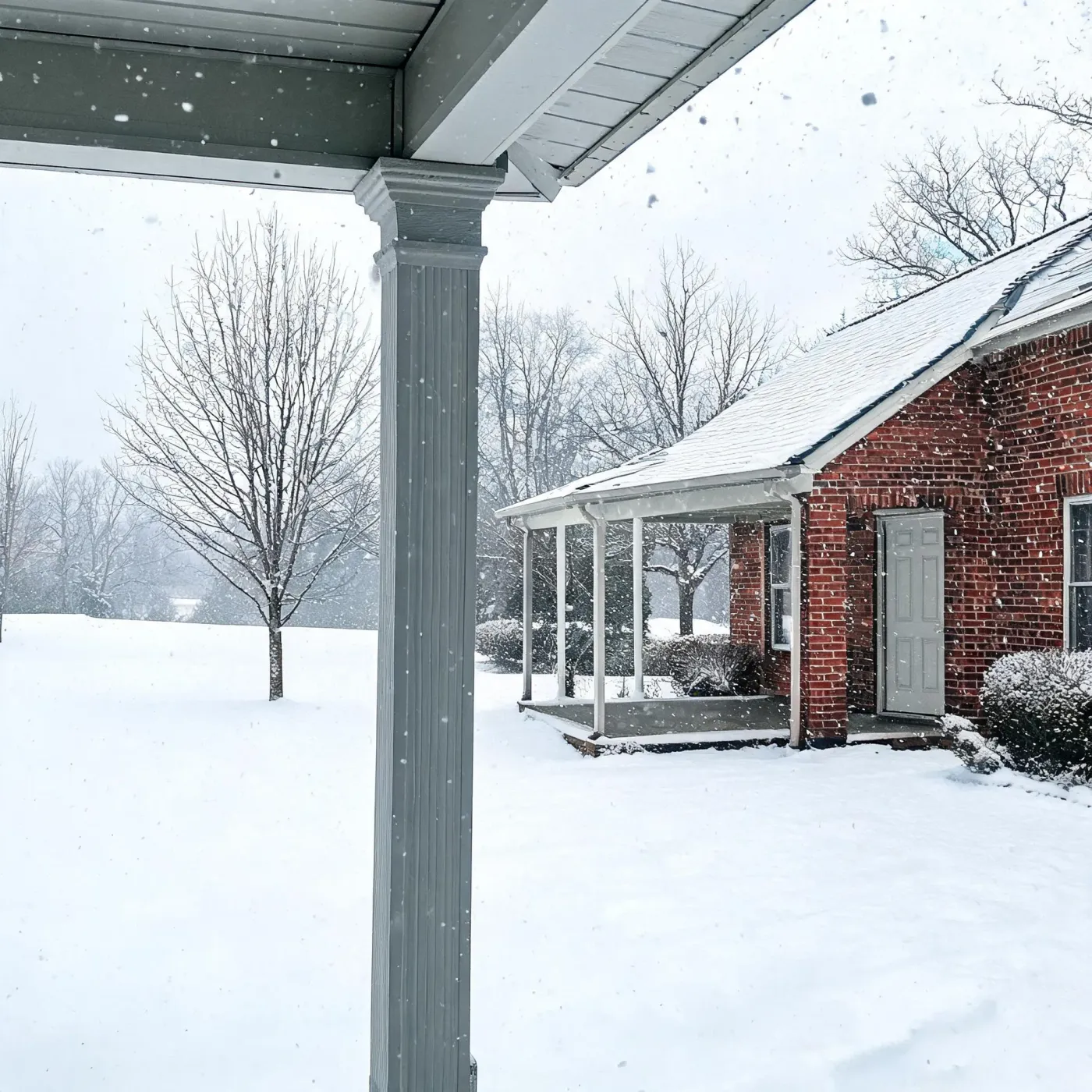
Winter nights average 15°F statewide, per NOAA, and that's the stretch when a gurgling boiler tends to get worse instead of better. Cold like that keeps the system running long, steady cycles instead of short ones, and any air or sediment already in the lines gets stirred and pushed through more often. If the noise has been occasional, these are the nights it turns into something you hear every time the boiler fires. Pressure that's borderline low also shows itself now, since the boiler is working harder to keep up with the heat loss through the night.
NOAA nClimDiv 1991-2020 county normals weighted by homes
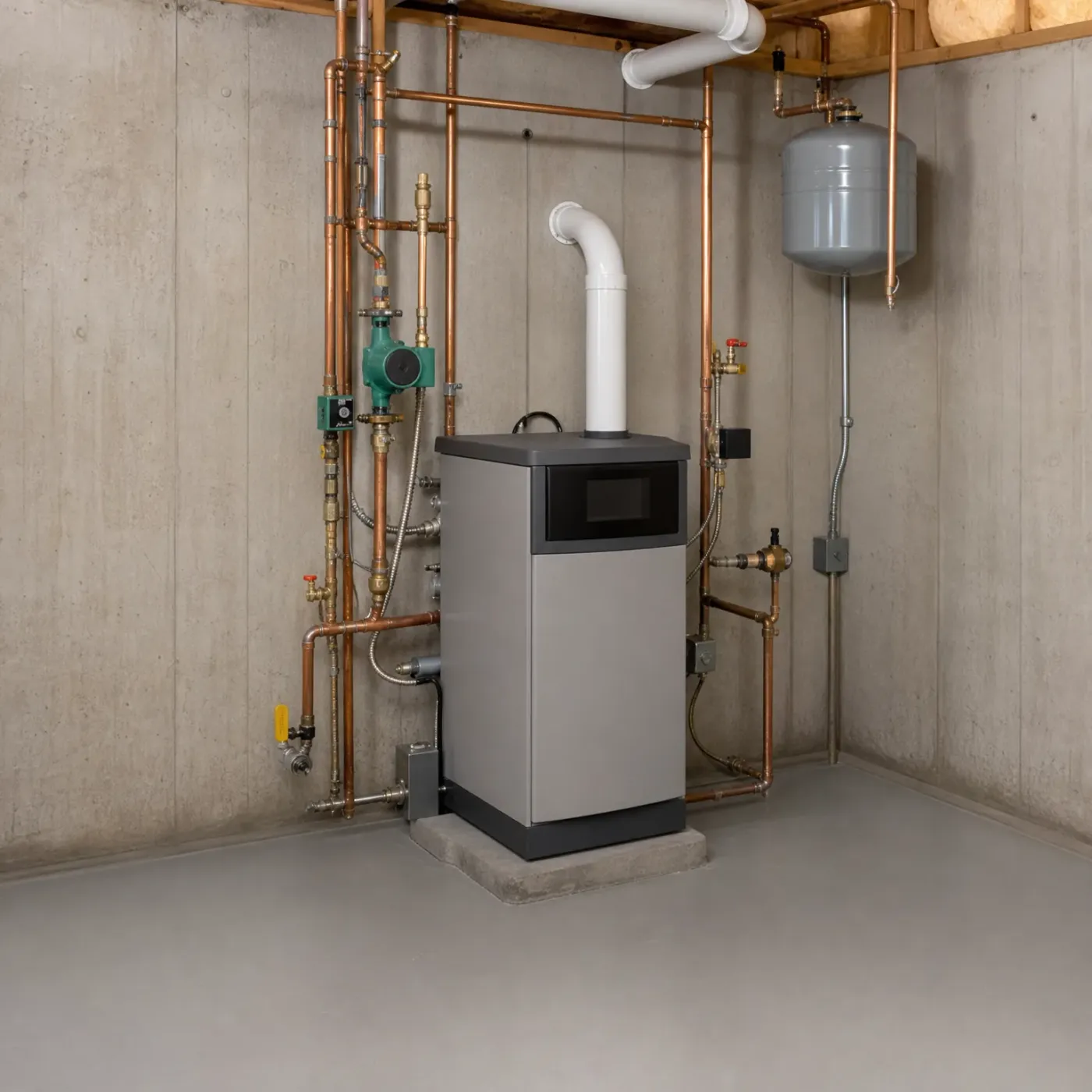
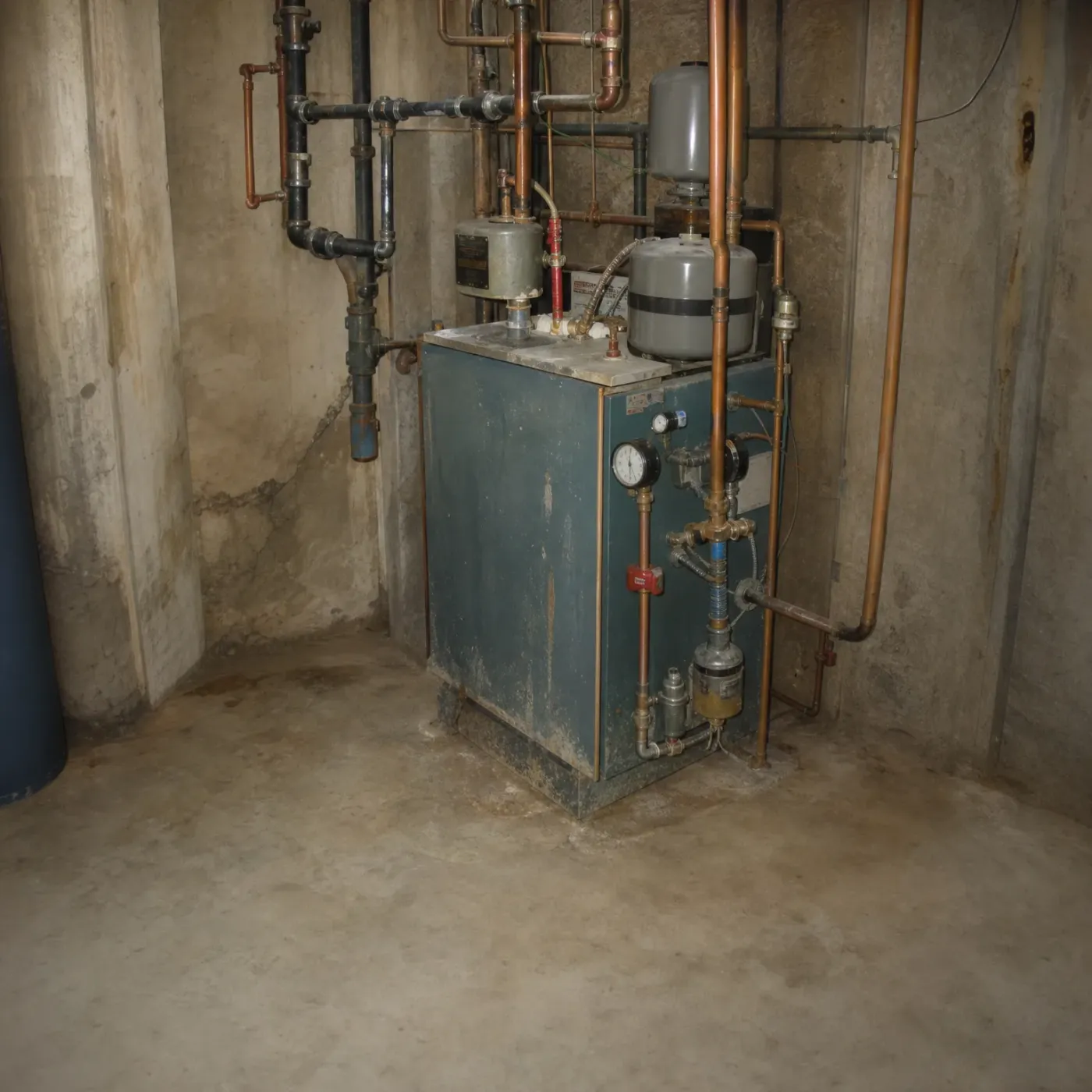
A gurgling boiler is telling you something specific: air or sediment is moving through water that isn't holding the pressure it should, and the longer that goes on through a New Hampshire winter, the harder the boiler works to keep the house warm. That part you already know. What matters now is getting someone to look at it who actually works on these systems through every cold month here, not just whoever's free. When you request service through this page, you're matched with one licensed contractor local to your area, someone who's heard this exact noise come out of cast-iron systems before and knows what's usually behind it. Not a handful of companies competing for your callback, just the one who fits what your boiler needs. That contractor reaches out to you directly. The noise doesn't go away on its own, and the sooner someone qualified puts eyes and a pressure gauge on the system, the sooner you know whether this is a quick fix or something the boiler's been trying to tell you for a while.




Your request goes to one pro, not a list of companies.
Sending the form costs nothing.